
British weather rarely behaves neatly and many gardens see it all in a week: sideways rain, a bright hour of sun, then a cold wind that flattens anything too delicate. If your border looks battered after every storm and patio pots never quite recover, it’s time to lean into tough, weatherproof planting rather than fighting the forecast.
Plants that shrug off rain and wind
Look for plants that are deep-rooted, flexible or naturally coastal – they’re used to being blown about and soaked.
Good, reliable choices include:
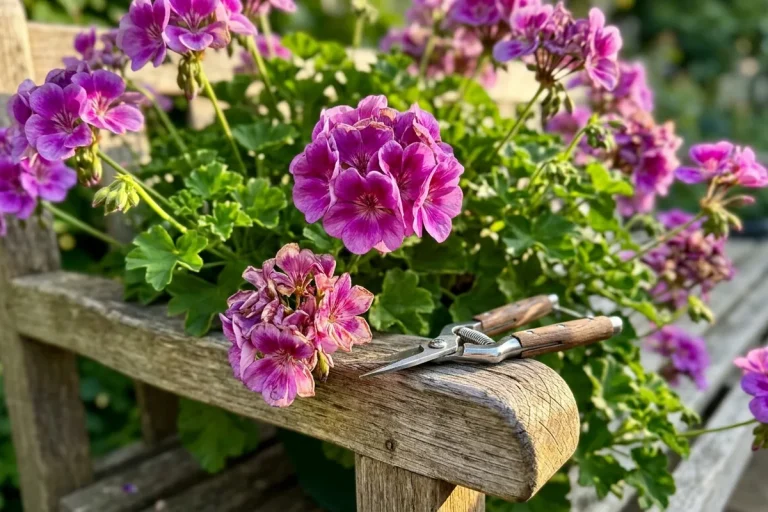
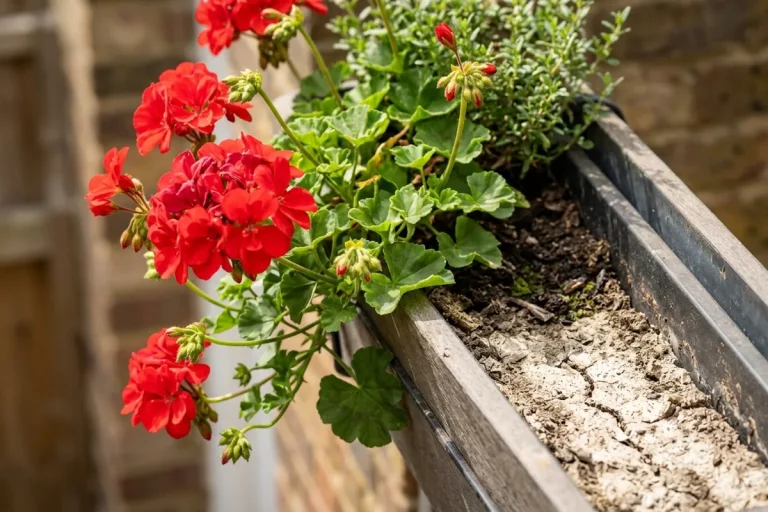
- Hardy geraniums (cranesbills) – Low, spreading and forgiving. They cope with wet spells, then bounce back when it dries. Flowers from late spring into summer.
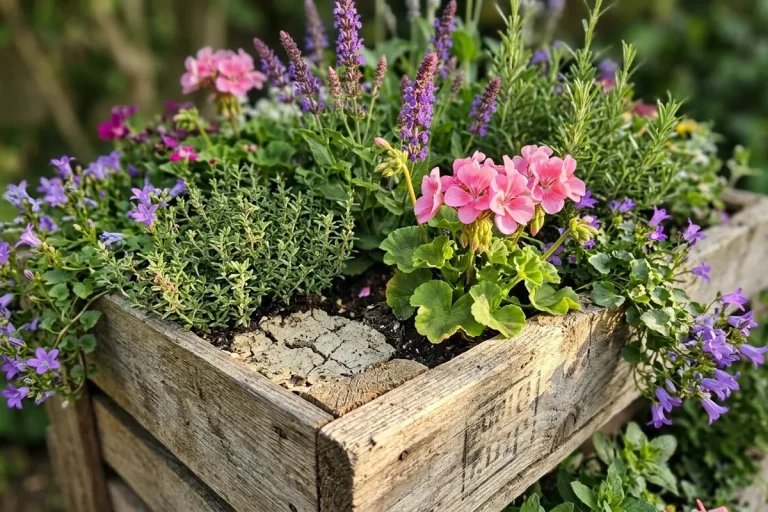
- Heuchera and heucherella – Colourful foliage that sits low enough to avoid wind rock. Ideal for borders and pots, especially in part shade.
- Astilbe – Enjoys moist but not boggy soil and stands up well to rain. Feathery plumes look delicate but are surprisingly sturdy.
- Japanese anemones – Tall but wiry, so they bend rather than snap. Excellent for late-summer and autumn colour in exposed spots.
- Rugosa roses – Thick, crinkled leaves and strong roots. Cope with sea winds, so most British gusts are manageable.
For very exposed, coastal or high-up gardens, think almost “seaside planting”:
- Escallonia and griselinia for hedging
- Cotoneaster, berberis and mahonia for tough structure
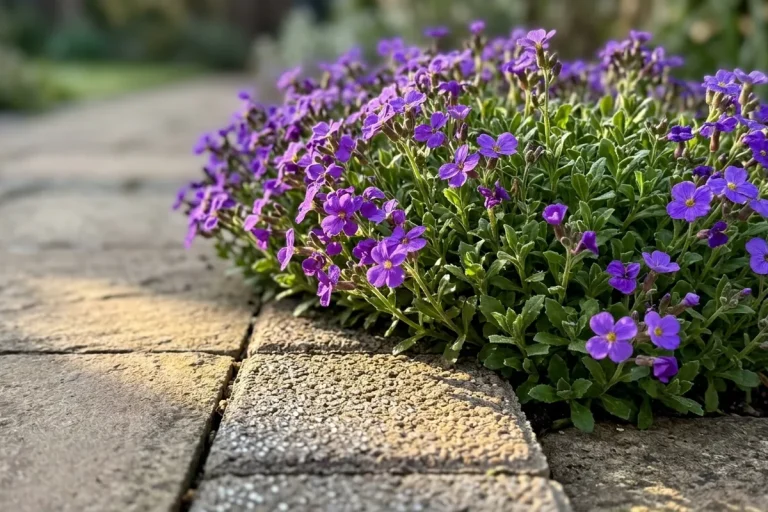
- Sedum (Hylotelephium) and sea thrift (Armeria) for low, wind-proof clumps
If this is happening in your garden – plants rocking in the soil, stems snapping, flowers turning to mush after each downpour – focus first on structure, then on flowers.
Helping plants cope with too much rain
The plant choice is only half the story. Soggy soil and wind rock do more damage than the weather itself.
- Improve drainage where you can: add garden compost or well-rotted manure to heavy clay; use raised beds for the worst spots.
- Plant a little deeper (but not over the crown) so roots are well anchored. If a stem leans after a storm, gently firm the soil back around it.
- Avoid tiny, top-heavy pots in exposed places. Use heavier containers and raise pots on feet so water can drain freely.
- Mulch carefully – a 3–5 cm layer of compost or bark helps soil structure and stops it compacting in heavy rain.
A quick finger check tells you more than the surface: if it’s still cool and wet a few centimetres down, do not rush to water again, even if the top looks dry.
Flowers for changeable UK summers
Unpredictable summers need plants that don’t mind a dull week, then a hot day.
Try:
- Alchemilla mollis – Foliage catches raindrops beautifully and never seems to sulk after a downpour.
- Nepeta (catmint) – Flexible stems, loved by pollinators, and copes well with both rain and short dry spells once established.
- Penstemon – Long flowering, reasonably wind-tolerant, and often keeps going into autumn.
- Calendula and cosmos – For pots and gaps in borders. They may look bedraggled after heavy rain, but a quick deadhead and they reshoot fast.
Before buying, check plant labels or the RHS website for “exposed” or “coastal” suitability – a good sign the plant can handle a rough forecast.
Start with one windy corner or one set of patio pots and replant those with tougher choices. Once you see which plants stay upright and cheerful after the next storm, you can repeat them across the garden with much more confidence.
Reader note
The Flower Expert is an independent gardening publication. Your support helps us keep creating practical plant care guides for everyday UK readers.
This article was created with the assistance of AI and reviewed by an editor. It is intended as general gardening information, not personalised professional advice.
If you still have a question, or if something looks unclear or inaccurate, you can contact us through our contact form.
If you found this article helpful, please consider sharing it on social media or leaving a comment below with your own experience. It helps other readers too.