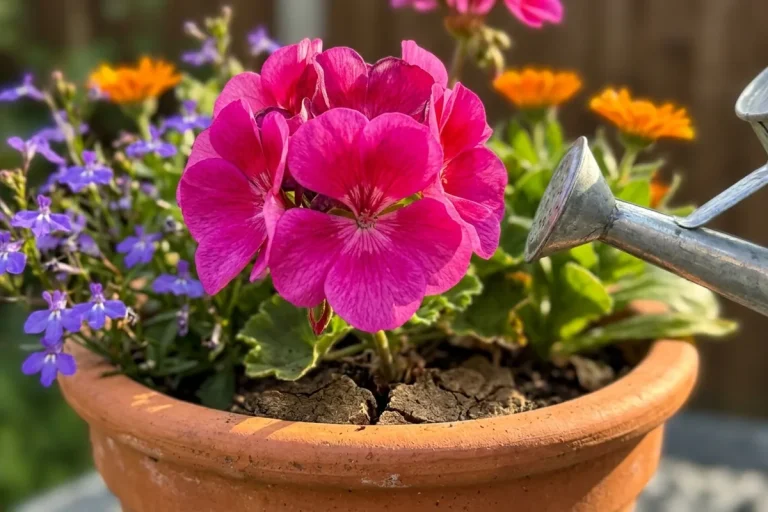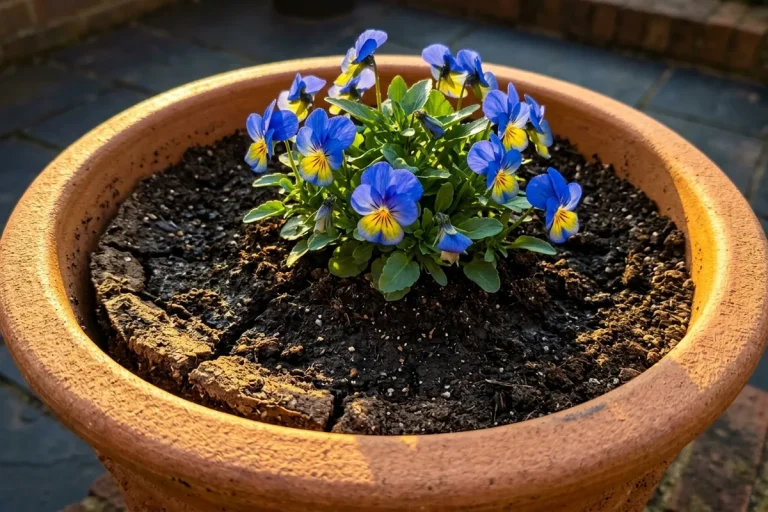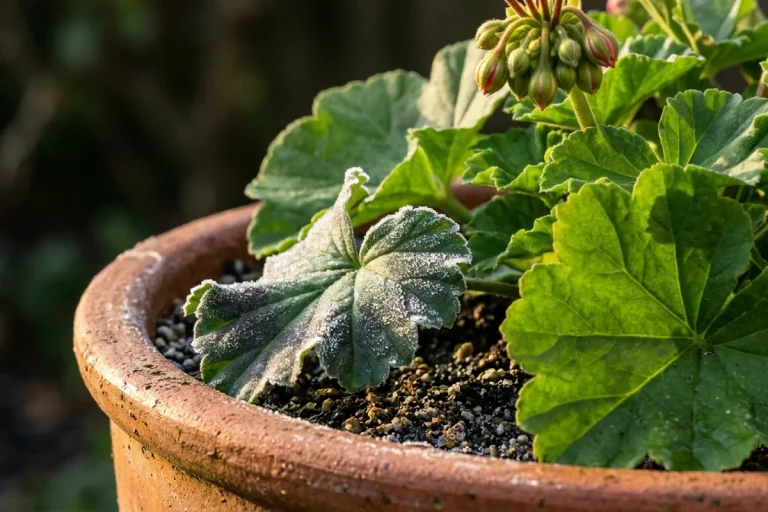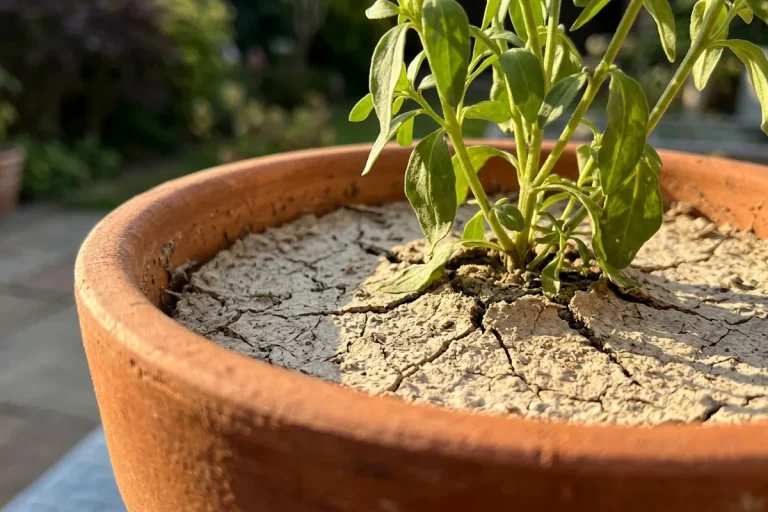

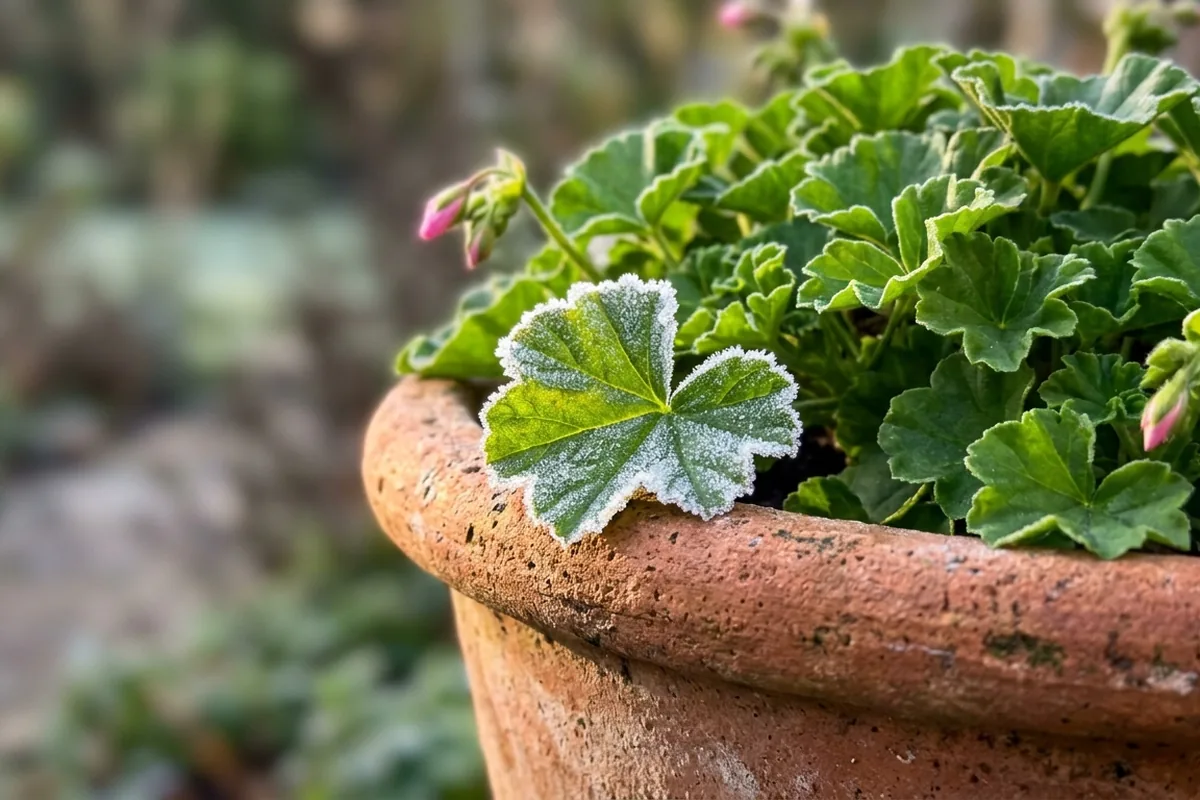
Before the first really cold night bites, there’s one simple check that can save a lot of plants: looking for anything in a pot or container that will be damaged by a sudden drop in temperature. If your pelargoniums are still flowering, the dahlia leaves are lush, or the tomato vines are hanging on in the greenhouse, this is the moment to decide what must come in, what can be wrapped, and what can simply be left.
If you step outside late afternoon and see tender plants in pots on a bare patio, that’s your warning sign.
The one check to do before temperatures dip
The cold night check is this: walk your garden, balcony or patio and sort every plant into “hardy”, “borderline” or “must protect tonight” – especially anything in a pot.
As you walk, look for:
- Tender plants in pots – pelargoniums, fuchsias, dahlias, cannas, basil, tomatoes, chillies, bedding like begonias and busy Lizzies.
- Mediterranean plants in small containers – olives, bay, rosemary, lavender on an exposed balcony or doorstep.
- Half-hardy perennials and young shrubs – penstemons, salvias, new hydrangeas or roses in their first year, especially if still in nursery pots.
- Houseplants that summered outside – spider plants, peace lilies, succulents, orchids on a table by the back door.
Cold hits potted plants first because roots are just a few centimetres from the outside air. A border holds warmth; a thin plastic pot on a stone patio loses it quickly.
If you lift a pot and it feels surprisingly cold and damp, that plant will feel tonight’s chill more sharply than one in drier, insulated compost.
What to move, wrap or leave
Once you’ve done your walk-round, act before dusk. Do not rush, but be decisive.
Move indoors or under cover tonight:
- Bedding and tender perennials you want to keep (pelargoniums, fuchsias, dahlias in pots).
- Any houseplant still outside – even a light frost can mark leaves.
- Tomatoes, chillies and peppers in pots if you’re hoping to ripen the last fruits; a bright porch, cool spare room or unheated conservatory is fine.
- Small, newly bought shrubs still in thin nursery pots.
Give extra protection where they are:
- Wrap pots of olives, bays, citrus and other borderline plants with bubble wrap, hessian or an old fleece, leaving the top open.
- Slide pots together against a house wall; the wall leaks a little warmth all night.
- For border plants, lay a fleece or old sheet loosely over salvias, penstemons or young perennials if a frost is forecast.
Safe to leave, with a quick check:
- Established hardy shrubs and perennials in the ground.
- Bulbs already planted at the right depth – just make sure none are sitting with the tip almost on the surface.
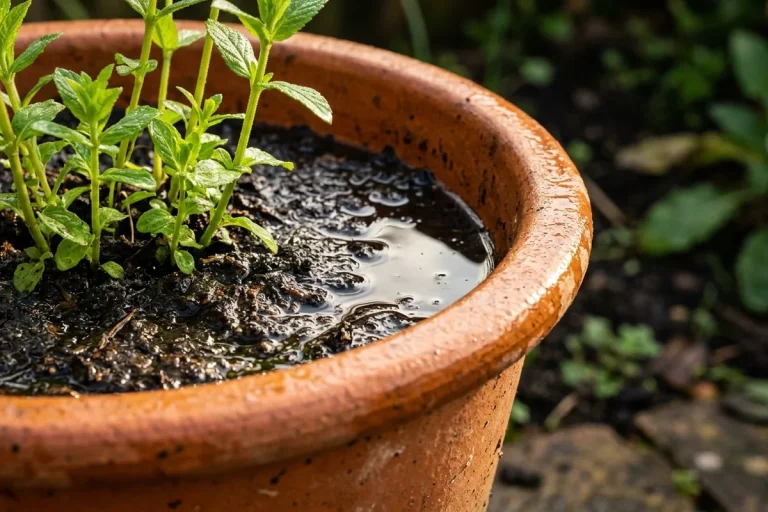
If the saucer under a pot is still holding water the next morning, tip it out; cold plus sitting in water is a common cause of root damage after a chilly night.
The signs to watch for after a cold snap
In the days after a cold night, check the plants you were unsure about.
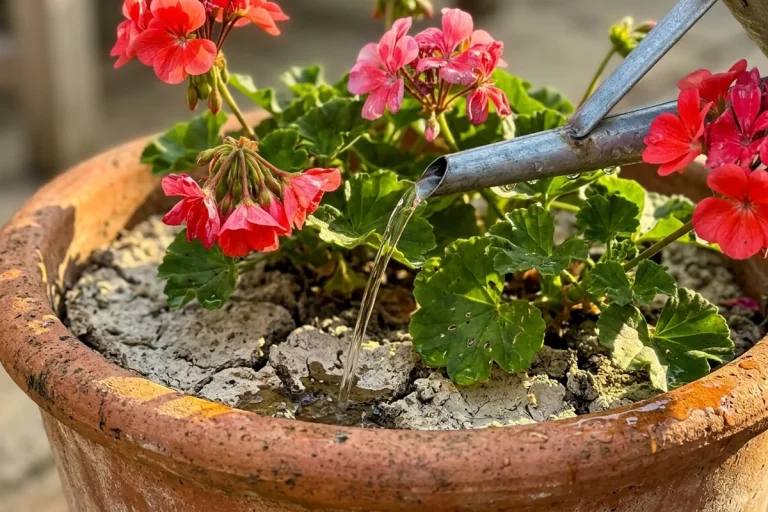
Look for dark, water-soaked patches, limp leaves that never perk up, or foliage that turns a dull, greyish green then black. This is frost damage, not underwatering, and more water will not help. This is the point where many people water again too soon.
Instead, wait and watch. On borderline shrubs and perennials, the useful clue is not one leaf, but the pattern across the plant. Often the tips are lost, but lower buds survive and reshoot in spring.
A quick evening walk and a few pots moved onto a bright windowsill or into a shed can make the difference between starting from scratch next year and carrying good plants through. Before the next cold night is forecast, do the same check again – it becomes a simple habit very quickly.
Reader note
The Flower Expert is an independent gardening publication. Your support helps us keep creating practical plant care guides for everyday UK readers.
This article was created with the assistance of AI and reviewed by an editor. It is intended as general gardening information, not personalised professional advice.
If you still have a question, or if something looks unclear or inaccurate, you can contact us through our contact form.
If you found this article helpful, please consider sharing it on social media or leaving a comment below with your own experience. It helps other readers too.