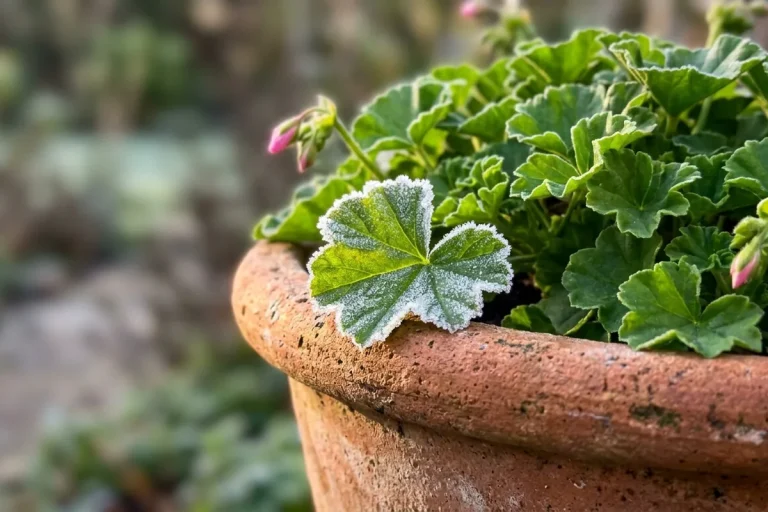

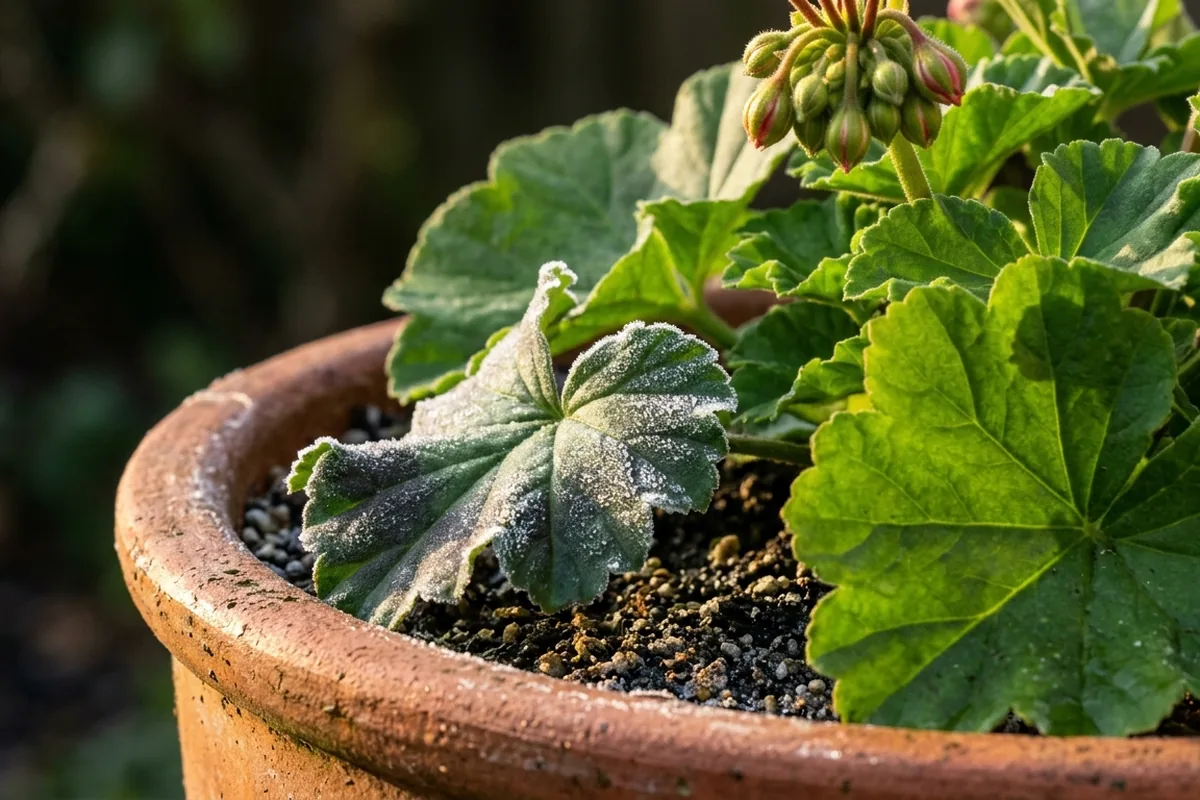
The plants that suffer most on a cold May night are the tender, sappy ones that have not yet hardened to outdoor life. If you’re standing at the back door with a forecast of 1–3°C on your mobile and a garden full of pots, this is the triage list you need.
The order to protect things in
Work through these in order. If you run out of time or fleece, you’ll at least have saved the most vulnerable.
1. Half-hardy bedding and summer colour
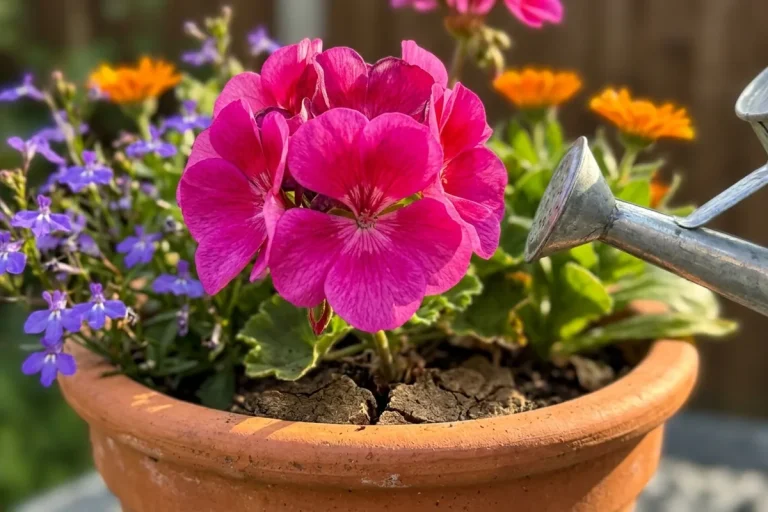
These are the ones to move or cover first: pelargoniums (bedding geraniums), begonias, busy Lizzies, petunias, cosmos, nicotiana, zinnias and anything labelled “after frost” or “half-hardy annual”. A single cold May night can scorch soft new growth and check flowering for weeks.
2. Tender veg and salad in pots or trays
Tomatoes, cucumbers, courgettes, squash, French and runner beans, basil and chilli plants hate cold nights. If they’re still in small pots or modules, lift them into the house, porch, or a frost-free shed. If the compost feels cold and clammy when you pick them up, they’ll appreciate the warmth.
3. Recently planted baskets and containers
Hanging baskets with trailing plants, and patio pots full of mixed bedding, are more exposed than borders. They cool down quickly. Pull them close to the house wall, group them together and throw fleece, an old sheet or even newspaper over the lot, pegged or weighted so it doesn’t blow off.
4. Dahlias, cannas and other tender perennials just shooting
Fresh red or green shoots are easily blackened. If they’re still in pots, tuck them in a greenhouse, cold frame or indoors. In borders, cover the new shoots with a double layer of fleece or an upturned pot overnight, removed again in the morning.
5. Houseplants summering outside
Any orchids, peace lilies, ferns, succulents or foliage houseplants that have been put on a patio or balcony for “fresh air” should go straight back inside. A bright but cold UK windowsill is still warmer than a clear, frosty night.
If you’re unsure, the useful clue is often the label: if it mentioned “protect from frost”, treat it as a priority.
What can usually stay put
Do not panic and start digging everything up. Many plants will shrug off a cold May night:
- Hardy perennials (geraniums, hostas, lupins, hardy salvias) are usually fine.
- Spring bulbs like tulips and daffodils cope well.
- Hardy shrubs and roses may look a bit sulky but are rarely damaged by a single chilly night.
- Cool-season veg such as lettuce, peas, broad beans, brassicas and onions are generally safe.
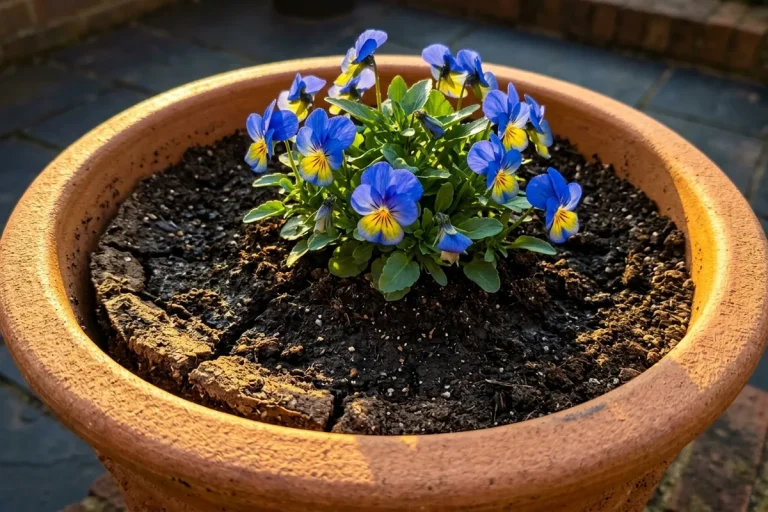
If this is happening on your plot, look across the whole bed rather than one leaf. A few floppy or darkened tips on otherwise sturdy plants are usually nothing to worry about.
Quick ways to protect in a hurry
If the light is going and the temperature is dropping, keep it simple rather than perfect.
- Move what you can: anything in a pot that feels light enough to lift can go into a garage, shed, porch or hallway. If you lift the pot and it still feels heavy and cold, it will be slower to warm up, so prioritise that one.
- Use fleece or fabric: horticultural fleece is ideal, but old sheets, lightweight blankets or even newspaper over low plants are better than nothing. Avoid heavy plastic directly on foliage; it can freeze onto leaves.
- Exploit walls and shelter: push pots against a house wall, under eaves, or into a corner out of the wind. A sheltered nook can be a degree or two warmer than the middle of a patio.
- Cover soil around tender shoots: a loose mulch of compost or bark around emerging dahlias or cannas can buffer the cold a little.
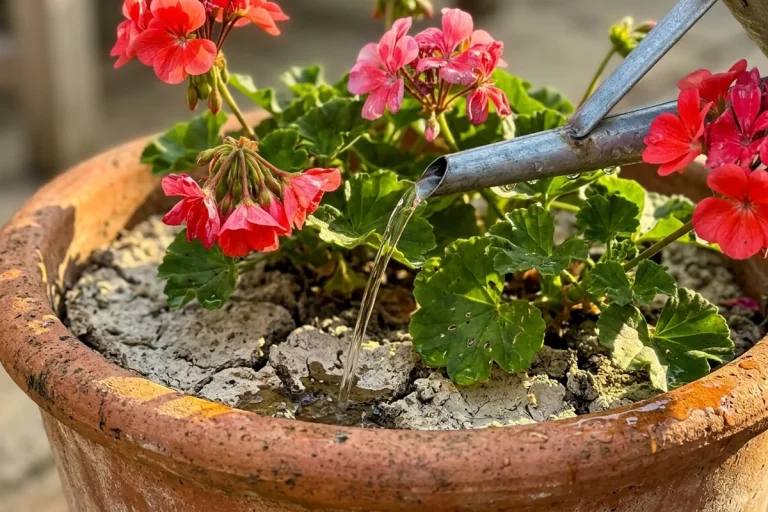
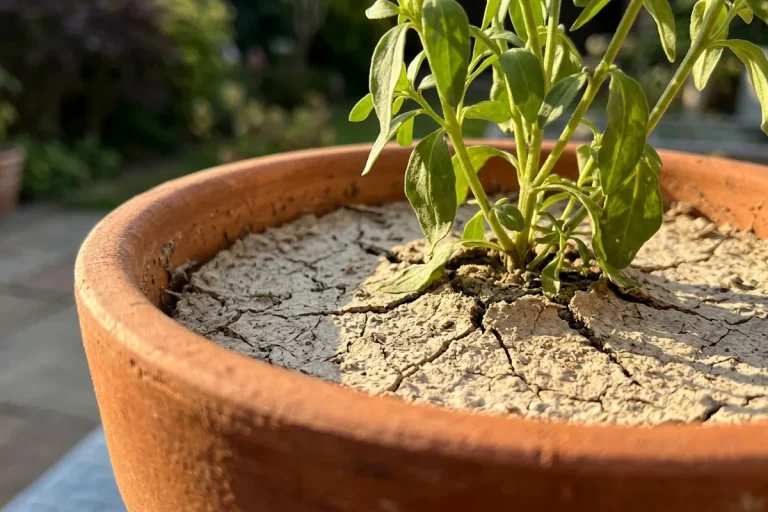
Before you water again, wait until the cold snap has passed. Cold, wet compost around tender roots is more of a problem than slightly dry compost for one night.
A simple rule for May in the UK: protect the softest, newest growth first, and do the easy moves rather than overthinking it. Check the forecast, pull tender pots in, throw a cover over what you can, and you’ll carry most of your summer colour safely through those last awkward cold nights.
Reader note
The Flower Expert is an independent gardening publication. Your support helps us keep creating practical plant care guides for everyday UK readers.
This article was created with the assistance of AI and reviewed by an editor. It is intended as general gardening information, not personalised professional advice.
If you still have a question, or if something looks unclear or inaccurate, you can contact us through our contact form.
If you found this article helpful, please consider sharing it on social media or leaving a comment below with your own experience. It helps other readers too.