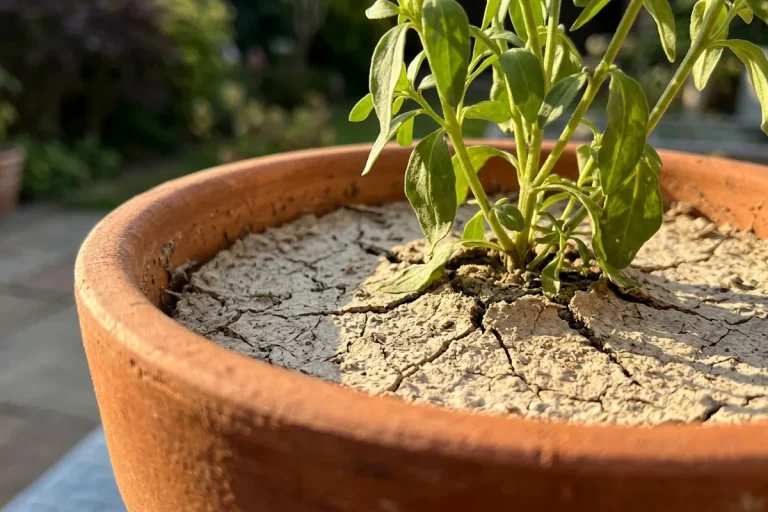

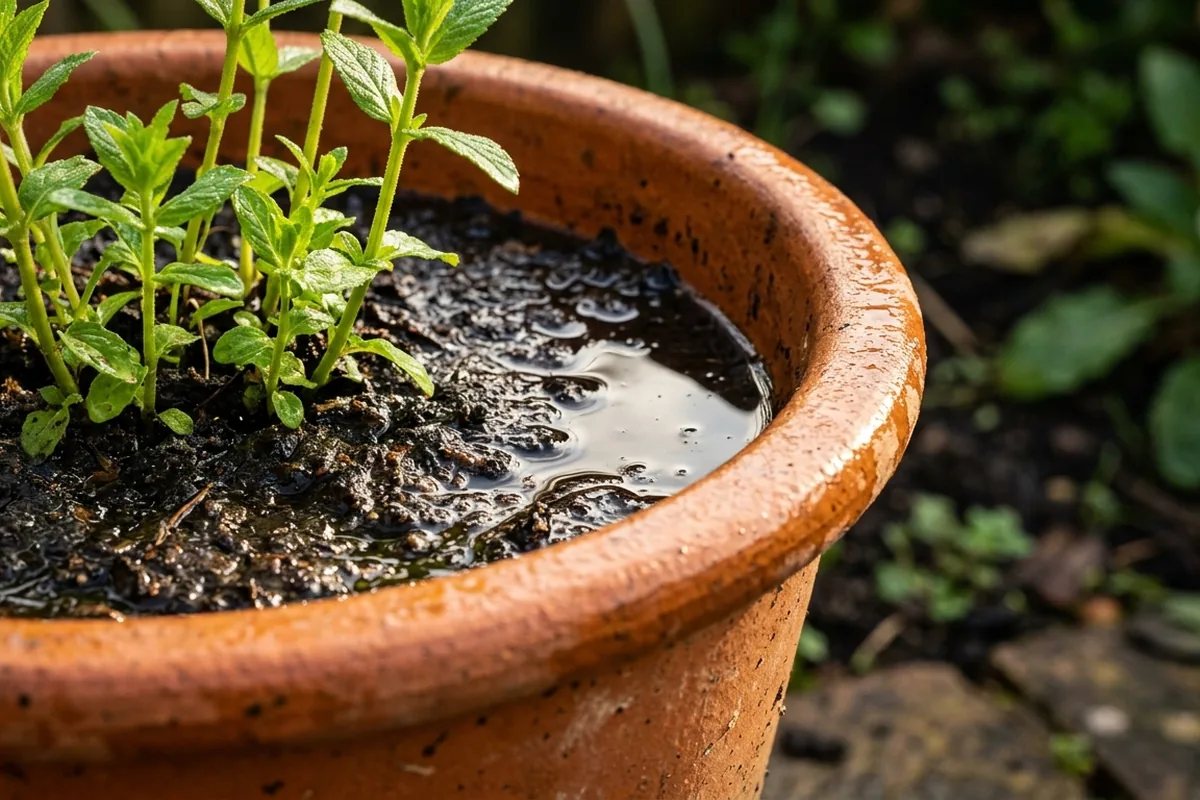
After a night of heavy rain, borders can look flattened, pots are sitting in saucers of water and the lawn squelches underfoot. This is the moment to walk round slowly and check what the water has actually done, rather than rushing to tidy everything at once.
First quick checks to make the same day
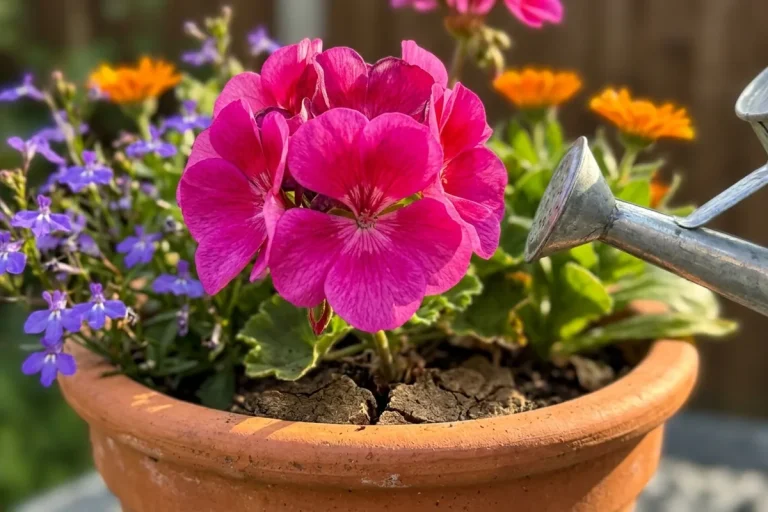
Start with anything in containers. Lift each pot if you can. If it feels unexpectedly heavy and there’s water sitting in the saucer, tip the saucer out. Roots sitting in cold water for days are far more at risk than plants that were briefly battered from above.
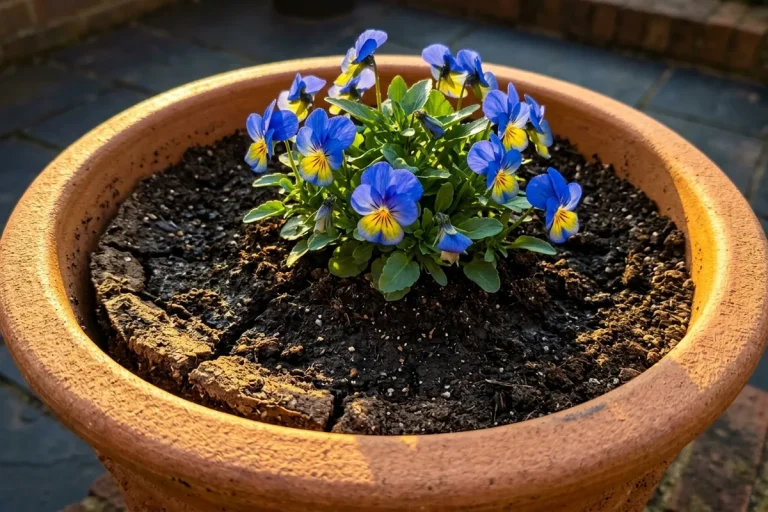
Look at the surface of the compost. If it has a greenish film or slimy patches, it’s staying too wet. Check the drainage holes are clear and not blocked by compacted compost or a mat of roots.
In borders, look for standing water that hasn’t drained away by the following day. A bit of puddling in clay soil is normal, but if water is still there 24–48 hours later, that area may need better drainage or raised planting in future.
Walk over the lawn only if you must. If it squelches under your boots, stay off as much as possible until it firms up; walking on saturated turf compacts the soil and makes drainage worse.
This is also the time to gently shake or stake any stems that have flopped – delphiniums, foxgloves, roses and tall dahlias are common casualties. If a stem is leaning but not snapped, a simple stake and soft tie will often save it.
What to look for in the following days
Once the obvious water has drained, start watching for signs of stress. The useful clue is not one leaf, but the pattern across the plant.
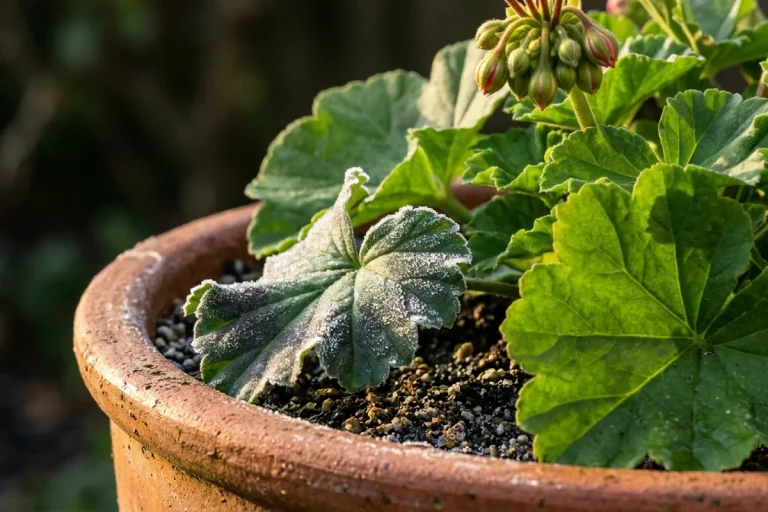
- Yellowing lower leaves: often a sign that roots have sat in soggy soil and lost oxygen. Check how wet the soil is 3–4 cm down before blaming lack of feed.
- Wilting despite wet soil: roots may be damaged or starting to rot. Do not water again; let the soil dry slightly and improve air around the base.
- Soil washed away from roots or bulbs: you might see roots exposed or a bulb sitting too close to the surface. Gently backfill with compost or garden soil.
- Mulch piled against stems: heavy rain can push bark or compost up against the base. Pull it back so stems don’t stay damp and rot.
If this is happening on your plants, resist the urge to feed straight away. Fertilisers on waterlogged roots can do more harm than good; wait until growth looks steady and the soil is only lightly moist.
Small fixes that prevent longer-term problems
Where rain has carved little channels in a border, break up any crusted soil with a hand fork and add a light mulch once it’s just damp, not dripping. This helps future rain soak in more gently.
Check gutters, downpipes and any water butts. If a butt has overflowed right next to a bed, consider adding an overflow pipe or moving it slightly so the same patch of soil isn’t constantly flooded.
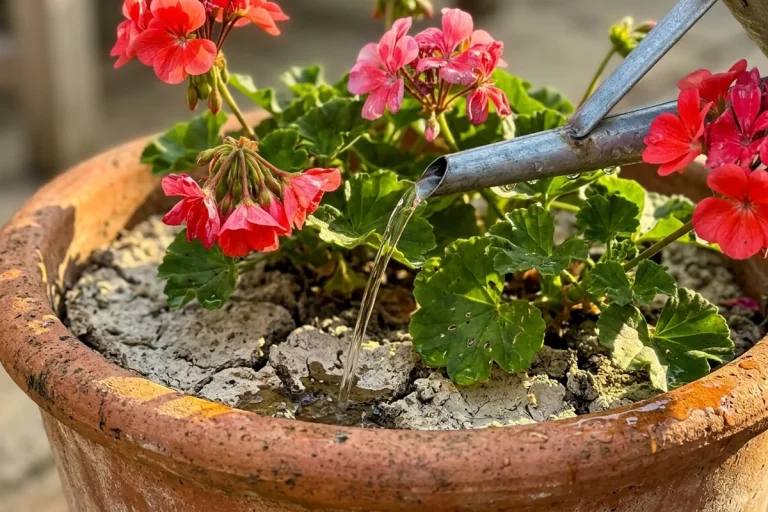
For pots on a balcony or patio, raise them slightly on pot feet or bricks so excess water can escape. A patio pot will often dry faster than a border once the weather turns warm again, so before you water, push a finger into the compost – a quick finger check tells you far more than the surface.
If heavy rain has exposed weed seeds, expect a flush within a week. A simple hand-weed once the soil is workable is easier than tackling bigger weeds later.
A calm walk round after heavy rain, looking for standing water, soggy roots and shifted soil, usually tells you exactly what needs attention. Start with drainage and gentle tidying, and you’ll often find the garden bounces back on its own.
Reader note
The Flower Expert is an independent gardening publication. Your support helps us keep creating practical plant care guides for everyday UK readers.
This article was created with the assistance of AI and reviewed by an editor. It is intended as general gardening information, not personalised professional advice.
If you still have a question, or if something looks unclear or inaccurate, you can contact us through our contact form.
If you found this article helpful, please consider sharing it on social media or leaving a comment below with your own experience. It helps other readers too.