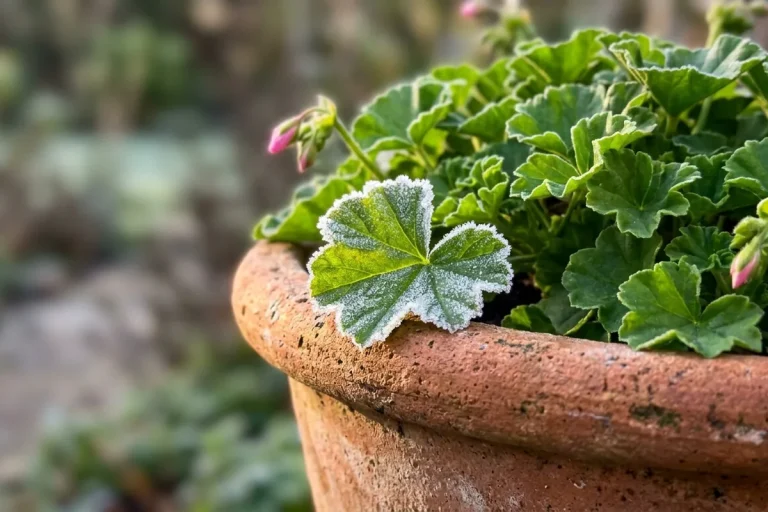

May is the moment when borders still look a bit bare, pots are half-planted, and you’re wondering what will actually keep going right through summer. If the risk of frost has passed where you are, you can plant now for months of colour.
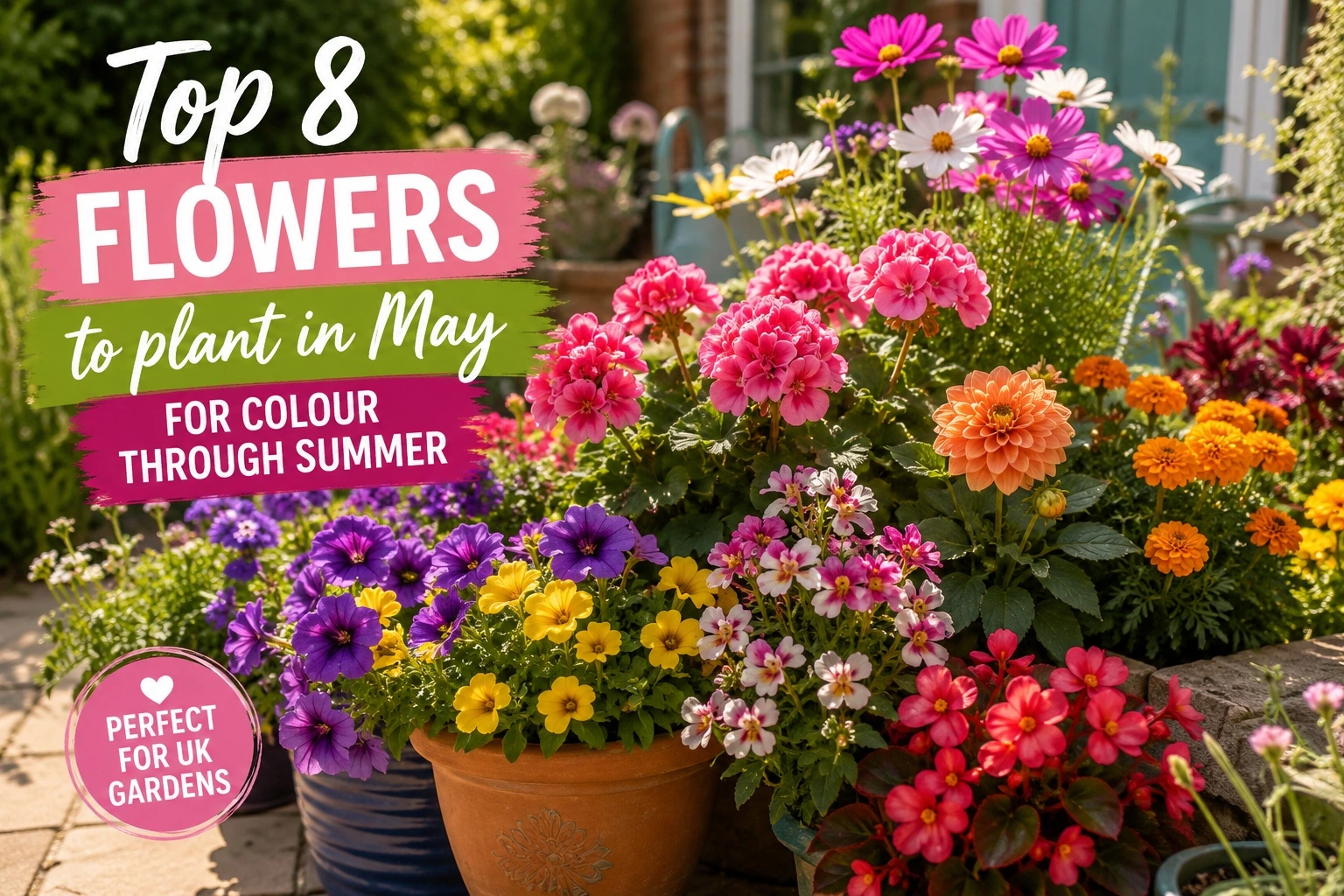
The top 8 flowers to plant in May
These will all cope well with a typical UK summer if you plant into decent compost, water them in firmly and don’t let new plants dry out in the first fortnight.
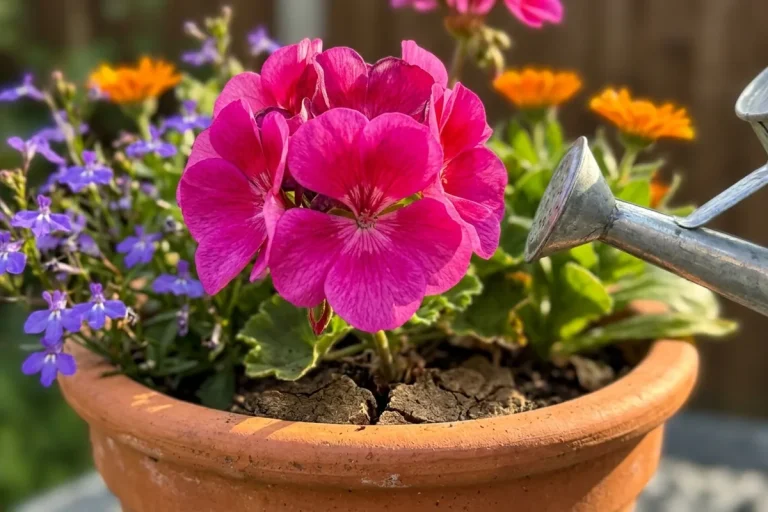
- Geraniums (pelargoniums)
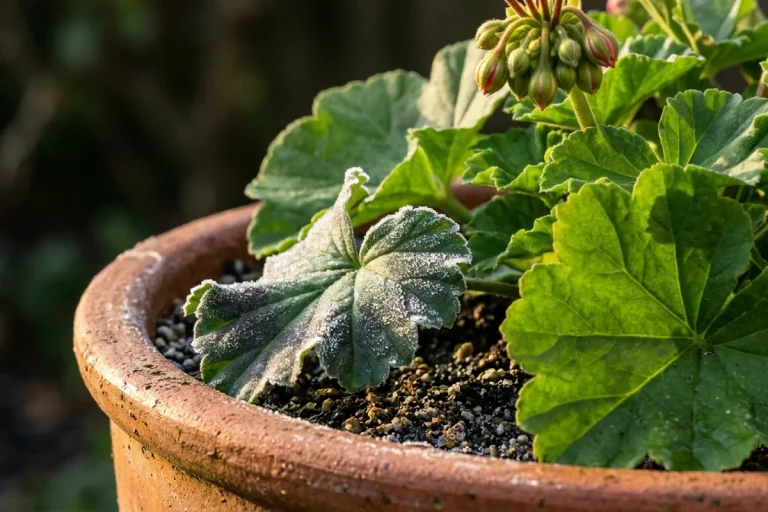
Ideal for pots, window boxes and balconies. They love sun, cope with a bit of neglect and flower on and on if you deadhead the faded clusters. Good where rain often misses, like under eaves or on a sheltered patio. Protect from any late cold nights.
- Petunias and calibrachoa (million bells)
Perfect for hanging baskets and tumbling over the edge of containers. They like regular watering and a liquid feed every week or so once they’re growing strongly. If the top of the compost looks dry but the basket still feels heavy, wait – it’s probably damp inside.
- Dahlias (tubers or young plants)
In warmer parts of the UK, May is the time to plant dahlia tubers outside, or set out young plants from the garden centre. They give big, bold flowers from mid-summer to the first frost. Choose a sunny spot, enrich the planting hole with compost and stake taller types as you plant so you don’t spear the tuber later.
- Cosmos
Light, airy and generous with flowers. Great in borders to fill gaps between shrubs. They like sun and not-too-rich soil, otherwise you get leaves instead of blooms. Keep deadheading; if you let them set seed, flowering slows.
- Marigolds (French and African)
Tough, bright bedding that copes with heat and poor soil better than many. Good at the front of borders and in veg beds. Water to establish, then they’re fairly easy-going. Snip off brown, papery flowers to keep them neat.
- Begonias (especially for shade)
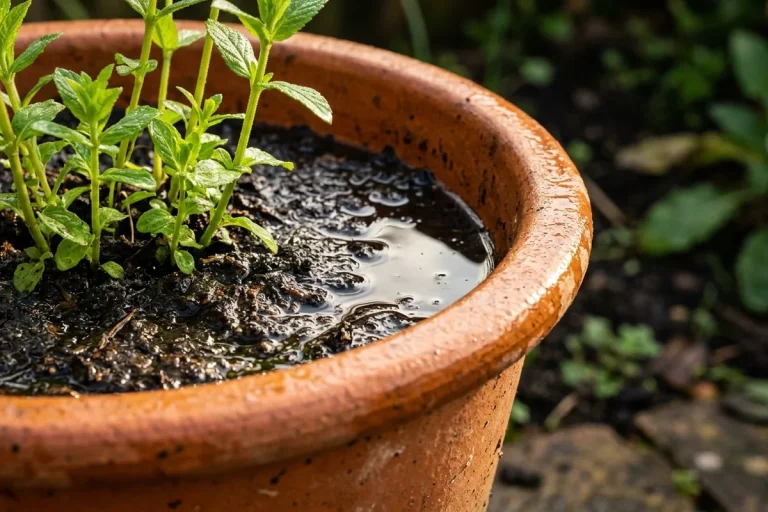
If you have a shady doorstep or north-facing balcony, begonias are hard to beat. They cope where petunias sulk. Use a moisture-retentive compost, and avoid letting water sit in a saucer overnight – their fleshy stems dislike constant sogginess.
- Nemesia and diascia
Compact, scented in many varieties, and excellent for smaller pots. They flower early and often, but can flag after a first flush. A light trim and a feed usually brings them back for late summer.
- Verbena (upright or trailing)
Loves sun and good drainage. Trailing types are brilliant in baskets; upright varieties thread nicely through other plants in a border. If this is happening on your plant – lots of foliage but few flowers – ease off the feed and make sure it’s in as much light as you can give it.
Planting well in May: simple checks
Before you plant, check the roots. If they’re tightly circling the pot, tease them out gently so they can move into the new compost.
Plant at the same depth as in the original pot – not deeper, and not with the crown sitting high and exposed. A quick firm press around the plant with your fingers removes air pockets. If you lift the pot and it still feels heavy the next day, hold off watering again until the top few centimetres are just starting to dry.
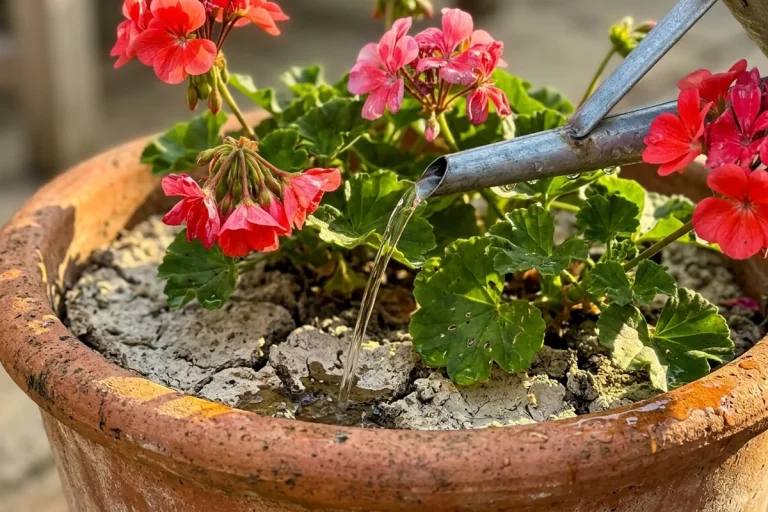
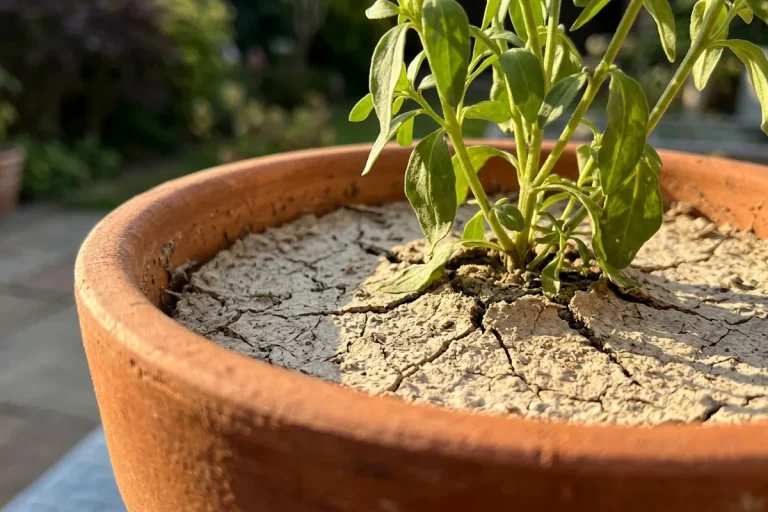
Newly planted baskets and containers dry out faster than borders, especially on a sunny patio or balcony. In a dry spell, you may be watering daily at first, then less often once roots have spread.
Keeping colour going into late summer
To keep the display going:
- Deadhead often – a quick daily check while you’re outside is enough.
- Feed container plants regularly with a balanced liquid fertiliser, following the label.
- Cut back straggly growth on things like petunias and nemesia to encourage fresh flowers.
- Watch for slugs and snails around young dahlias, marigolds and cosmos; use barriers or controls that suit your garden and pets.
If the leaves look worse after every “fix”, stop changing several things at once. Check light, water and feed one by one – the useful clue is not one leaf, but the pattern across the plant.
A short visit to a local garden centre in May, armed with this list, is usually enough to fill your pots and borders for the whole summer. Start with one or two types you like the look of, plant them well, and you’ll quickly see which performers earn more space next year.
Reader note
The Flower Expert is an independent gardening publication. Your support helps us keep creating practical plant care guides for everyday UK readers.
This article was created with the assistance of AI and reviewed by an editor. It is intended as general gardening information, not personalised professional advice.
If you still have a question, or if something looks unclear or inaccurate, you can contact us through our contact form.
If you found this article helpful, please consider sharing it on social media or leaving a comment below with your own experience. It helps other readers too.