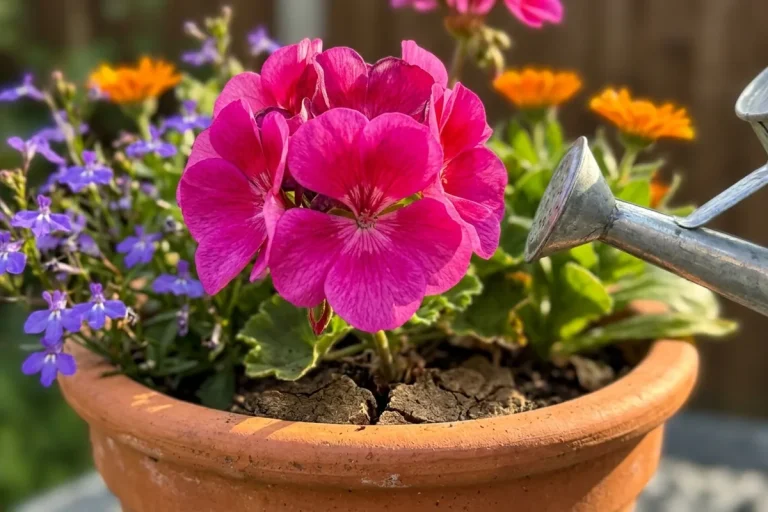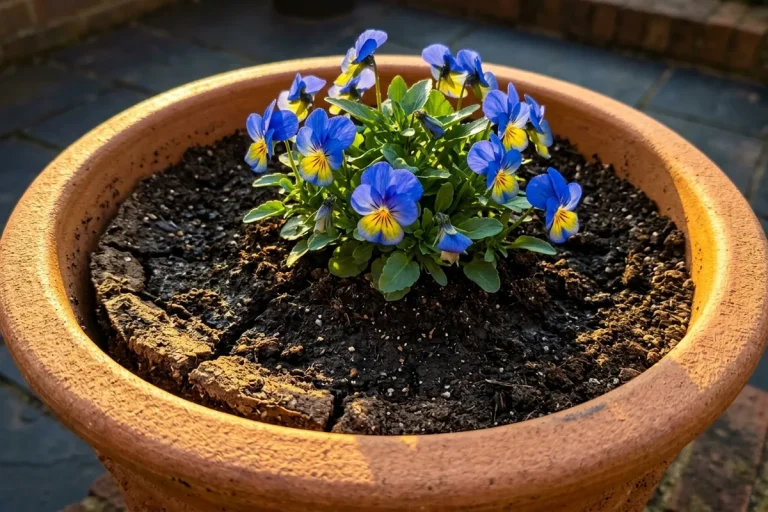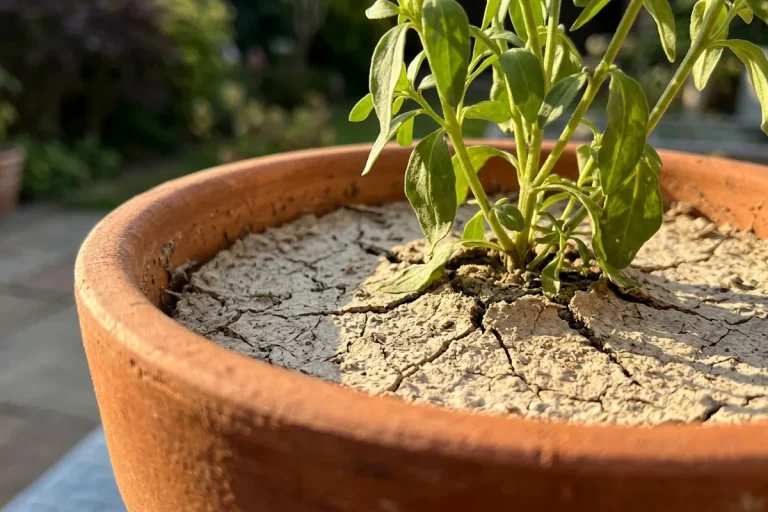

During a heatwave, container flowers can go from perky to drooping in a single hot afternoon. If the top of the compost looks dry but the pot still feels heavy, watering again can actually make the problem worse.
The right way to water in extreme heat
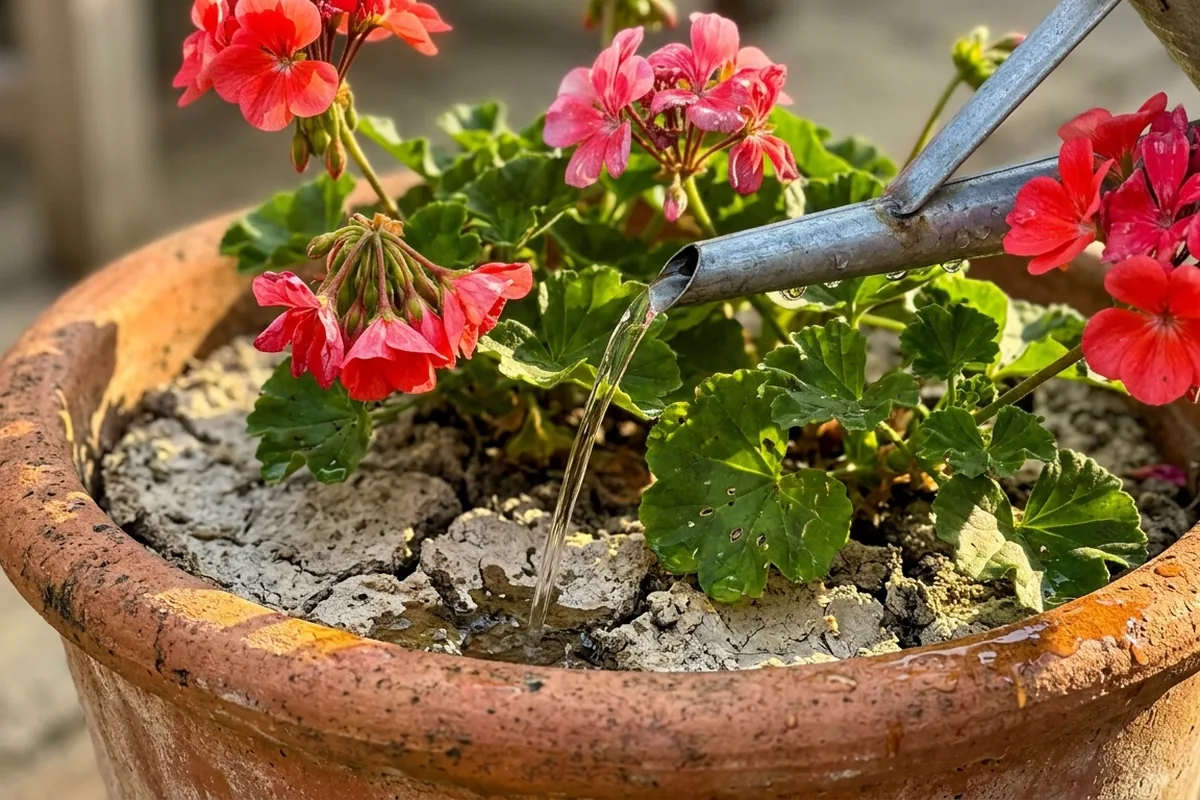
In a UK heatwave, water deeply, but less often. The aim is to soak the whole rootball, then let the top few centimetres dry slightly before watering again.
- Water early or late. Aim for before 9am or after 7pm. Midday watering wastes water to evaporation and can leave foliage scorched and stressed.
- Soak, don’t sprinkle. Use a watering can with the rose removed or turned upwards. Water slowly until you see a steady trickle from the drainage holes.
- Check the weight of the pot. Lift the container a little. If it still feels surprisingly heavy, the compost is holding plenty of water – wait.
- Avoid constant dampness. Let the top 2–3cm of compost dry between waterings. A quick finger check tells you more than the surface crust.
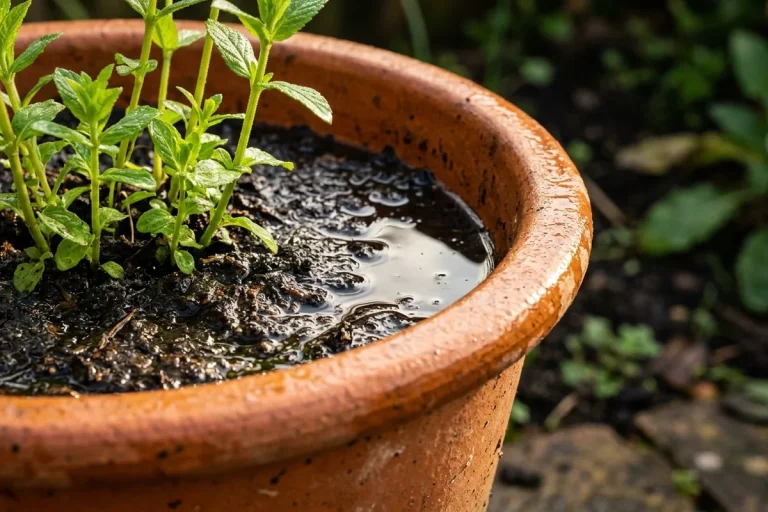
- Empty saucers after 20–30 minutes. If there is still water sitting in the saucer the next morning, roots may start to rot in the heat.
If this is happening on your plant – drooping stems that perk up again in the evening – it may be heat stress rather than true drought. Check the compost before you reach for the watering can.
Keeping containers cooler and moist for longer
Heatwaves dry pots much faster than borders. A terracotta pot on a sunny patio can be bone dry while a nearby flower bed is still damp.
To help:
- Move pots out of harsh sun. Slide containers a little further back on the patio, or give them light shade during the hottest hours. Even a bright but slightly shaded spot against a wall helps.
- Group containers together. Pots clustered close create a more humid pocket of air and slow down drying.
- Mulch the surface. Add a 2–3cm layer of fine bark, decorative gravel or composted bark to reduce evaporation. Keep mulch away from soft stems.
- Use larger pots where you can. Small pots overheat and dry out fastest. If roots are circling the sides, consider potting on before the next hot spell.
- Keep dark pots off hot paving. Stand them on pot feet or wooden slats so heat from patios and balconies doesn’t bake the roots.
If your compost looks dry on top but is still cool and slightly damp when you push a finger in, do not rush to water – shading and mulching may be all that’s needed that day.
Extra care for flowering performance
Heat can stall flowering if plants swing between drought and soaking.
- Feed lightly, not heavily. In a heatwave, use a diluted liquid feed for flowering plants about once a week, following the label. Overfeeding dry roots can scorch them.
- Deadhead regularly. Removing faded blooms from geraniums, petunias and similar bedding tells the plant to keep producing flowers.
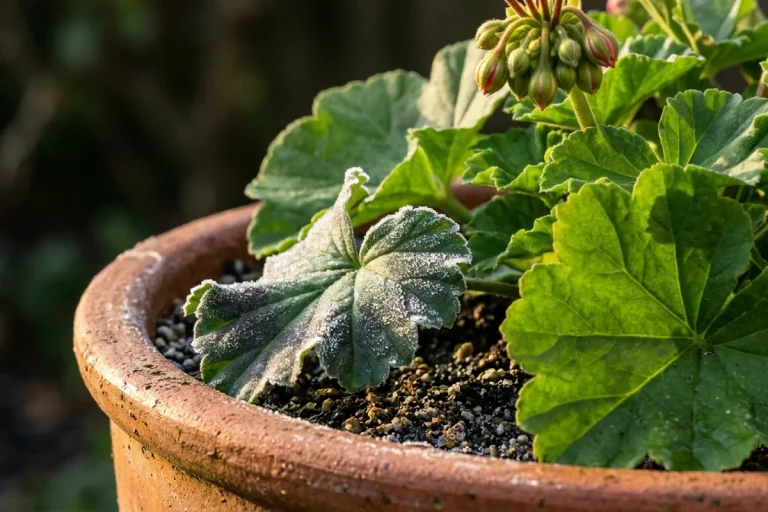
- Watch for scorch. Crispy brown leaf edges on the sunniest side of the plant usually mean too much direct heat, not a lack of water. Shift the pot slightly rather than drowning it.
- Use stored rainwater if possible. It’s often kinder to plants than warm tap water from a hose that’s been sitting in the sun.
If the leaves look worse after every “fix”, stop changing several things at once. Go back to basics: check compost moisture, improve shade, then adjust watering rhythm slowly over a few days.
A simple routine – deep watering at cool times of day, a finger check before you water again, and a bit of shade in the fiercest sun – is usually enough to keep container flowers going through a UK heatwave. Before the next hot spell, choose one area of pots to reorganise for shade and easier watering, and you’ll notice the difference when temperatures climb.
Reader note
The Flower Expert is an independent gardening publication. Your support helps us keep creating practical plant care guides for everyday UK readers.
This article was created with the assistance of AI and reviewed by an editor. It is intended as general gardening information, not personalised professional advice.
If you still have a question, or if something looks unclear or inaccurate, you can contact us through our contact form.
If you found this article helpful, please consider sharing it on social media or leaving a comment below with your own experience. It helps other readers too.