
When space is tight, the herbs you put together matter more than the number of pots you own. If your balcony or tiny patio is already full of containers and you still want basil, mint and rosemary, the trick is to group herbs with similar needs, not just the ones you cook with most.
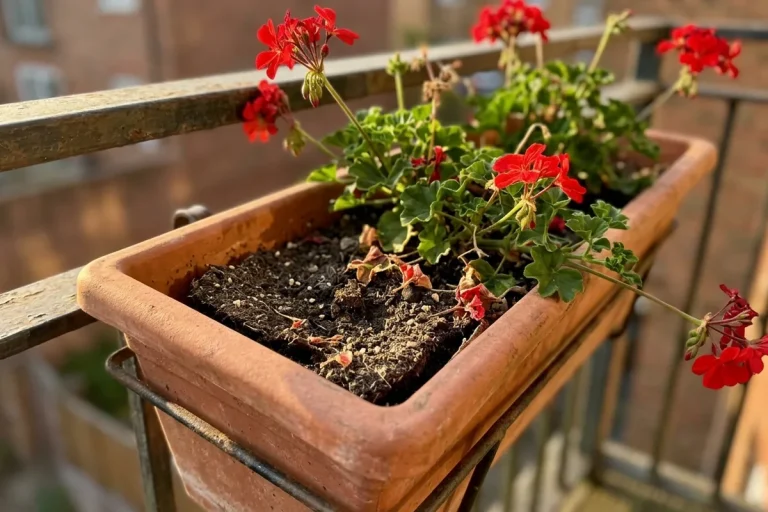
If your current herb pot looks crowded, with one plant thriving and another sulking with yellowing leaves or thin, floppy stems, they are probably asking for different conditions.
The best herb groupings for one pot
Think in “families of needs”: dry and sunny, moist and leafy, or cool and shady. Each pot or window box should suit one group well, rather than all herbs badly.
Sun‑lovers that like it drier (perfect for a bright patio or doorstep):
- Rosemary, thyme, oregano, marjoram, sage
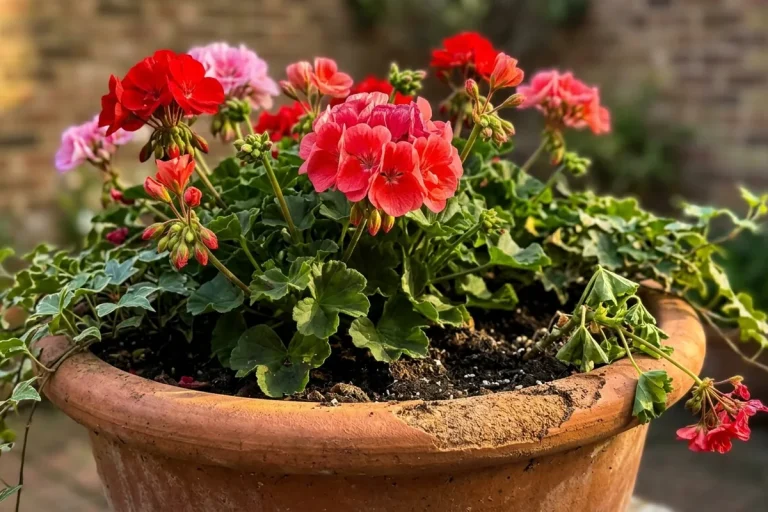
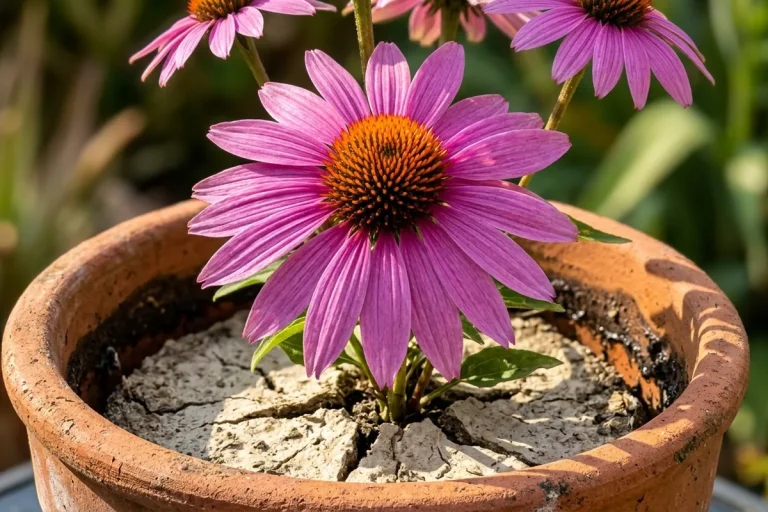
These all prefer full sun, good drainage and to dry slightly between waterings. A terracotta pot with gritty compost suits them well. If you lift the pot and it still feels heavy, wait.
Soft herbs that like more moisture (good for a bright but not scorching spot):
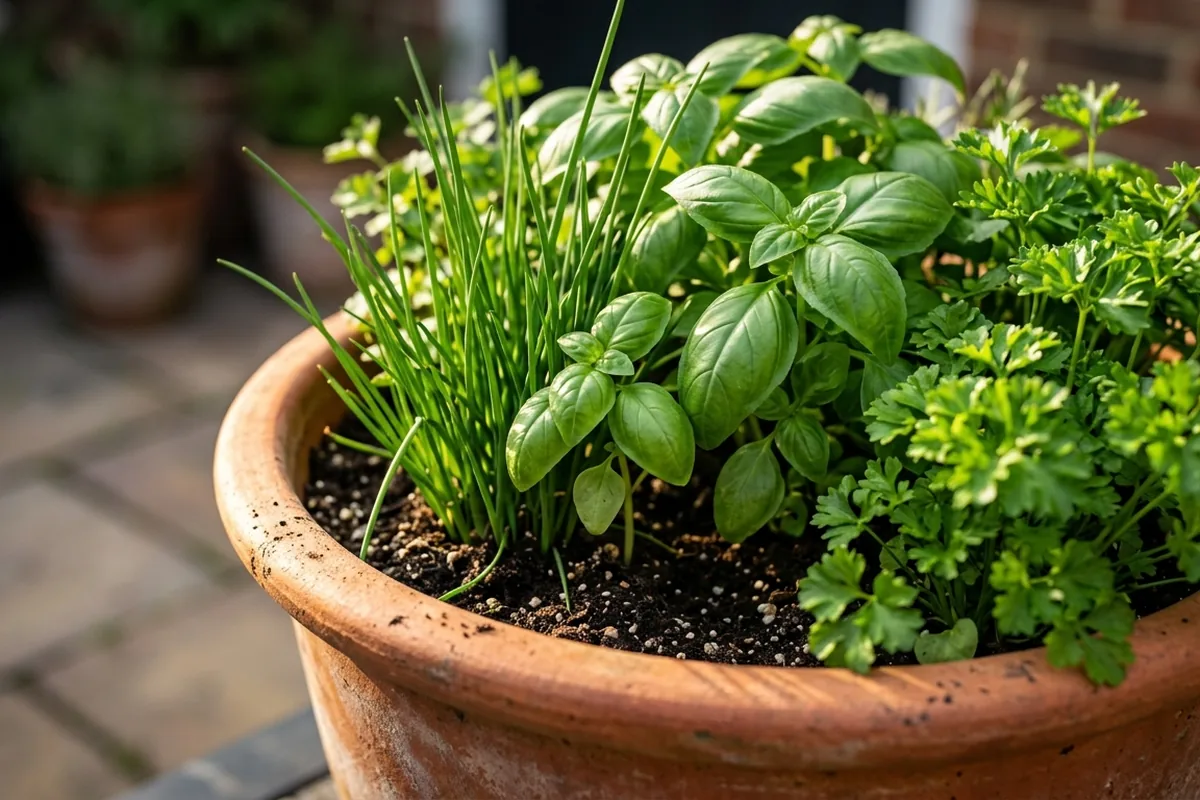
- Parsley, coriander, chives, dill
They enjoy evenly moist compost and a bit of protection from hot afternoon sun. A plastic or glazed pot holds water better, which these herbs usually appreciate, especially in a dry summer spell.
Shade‑tolerant or cooler‑spot herbs (for a part‑shade corner or north‑facing area):
- Mint, lemon balm, chervil, lovage (young plants)
These cope with less direct sun and slightly damper conditions. Keep them out of deep shade, but they do not need the hottest, brightest spot.
Herbs that should not share a pot
The main clashes are about water and spread.
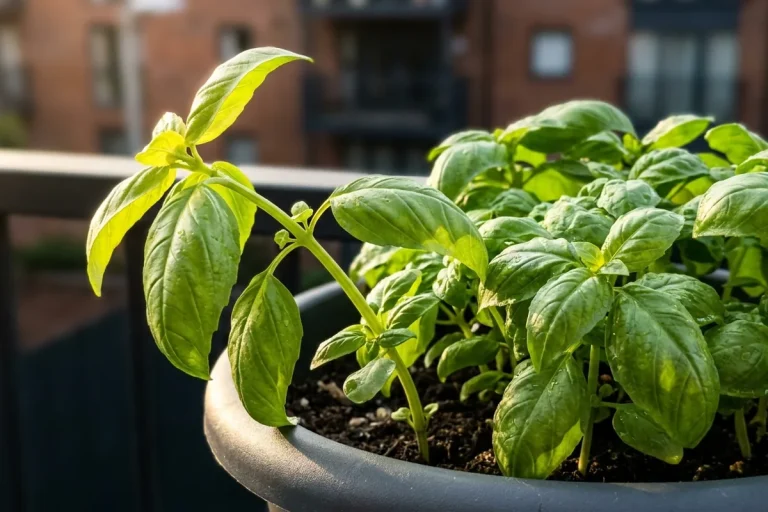
- Basil likes warmth, sun and steady moisture but hates sitting in cold, wet compost. It often does best in its own pot, especially on a UK windowsill where nights can still be cool.
- Mint is vigorous and spreading. In a mixed pot it quickly sends roots everywhere and can swamp slower herbs. Grow it in its own container, then stand that pot inside a larger display if you want the look without the takeover.
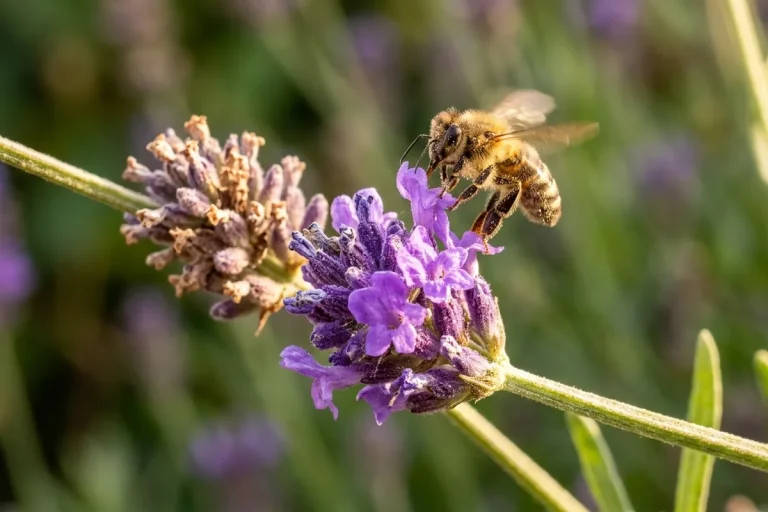
- Woody Mediterranean herbs (rosemary, lavender, some sages) dislike constantly wet roots. Do not tuck them in with thirsty parsley or coriander; one of them will always be unhappy.
If this is happening on your plant – one herb crisping at the edges while the neighbour is lush and green – they probably need to be separated.
Pot size, compost and simple care
Use wider, not deeper pots for mixed herbs. Roots can spread sideways without sitting in a soggy base. Always check there are drainage holes and avoid saucers that stay full the next morning.
A peat‑free multi‑purpose compost with about a third added grit or sharp sand suits most Mediterranean mixes. For leafy, moisture‑loving herbs, use compost as it comes and water when the top 2–3 cm feel dry. A quick finger check tells you more than the surface of the compost.
Pinch out flower buds on basil, mint and coriander if you want more leaves. With rosemary, sage and thyme, light trimming for the kitchen keeps them compact and encourages fresh growth.
Start with one well‑matched group in a single pot, watch how fast it dries out in your own space, then copy that recipe for the next container. Small gardens work hardest when each pot is set up for success from the start.
Reader note
The Flower Expert is an independent gardening publication. Your support helps us keep creating practical plant care guides for everyday UK readers.
This article was created with the assistance of AI and reviewed by an editor. It is intended as general gardening information, not personalised professional advice.
If you still have a question, or if something looks unclear or inaccurate, you can contact us through our contact form.
If you found this article helpful, please consider sharing it on social media or leaving a comment below with your own experience. It helps other readers too.