
If your flower beds look tired, patchy and full of weeds by July, but you’ve no time for constant deadheading and watering, you’re not alone. The good news is that a well-planned bed can almost look after itself once it’s established.
Simple bed layouts that need less attention
Start by simplifying the shape and layout. Fussy curves and tiny pockets of soil dry out quickly and are awkward to weed.
- Choose one clear shape: a rectangle, long strip or gentle curve that you can reach from both sides.
- Go for fewer, bigger groups: three or five clumps of plants repeated along the bed look deliberate and are much easier to manage than lots of single “one of everything” plants.
- Plant more closely (within reason): enough that you can still see soil between young plants, but not big bare patches. Once they knit together, they shade the ground and suppress weeds.
If you stand back and see more soil than foliage by midsummer, you’ve probably not planted densely enough for a low-maintenance bed.
Tough plants that cope with busy lives
For UK gardens, reliable perennials and small shrubs do most of the work for you. Look for plants that say “drought tolerant”, “good in poor soil” or “for beginners” on labels.
Good, easy combinations for a sunny bed include:
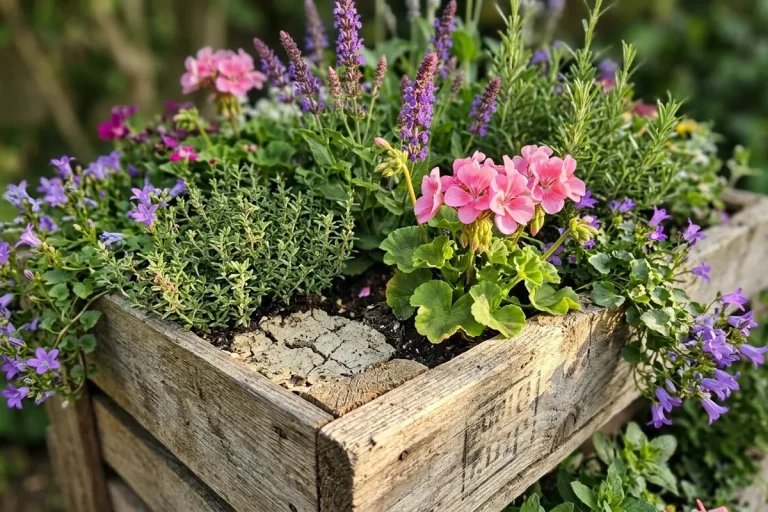
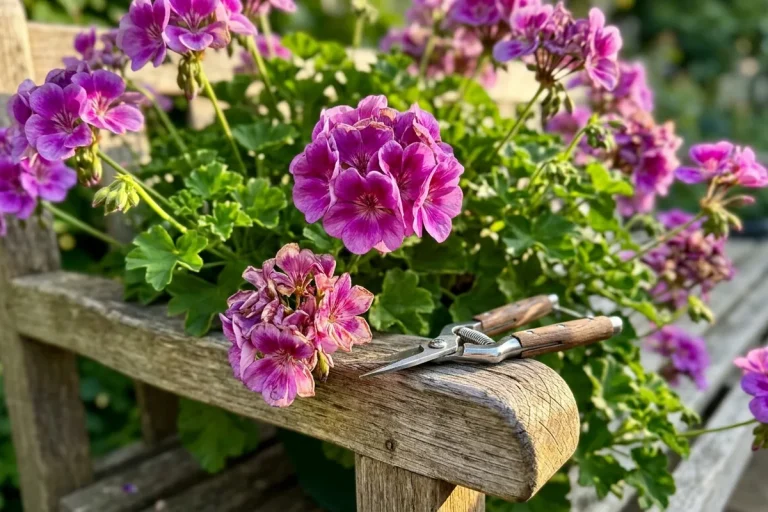
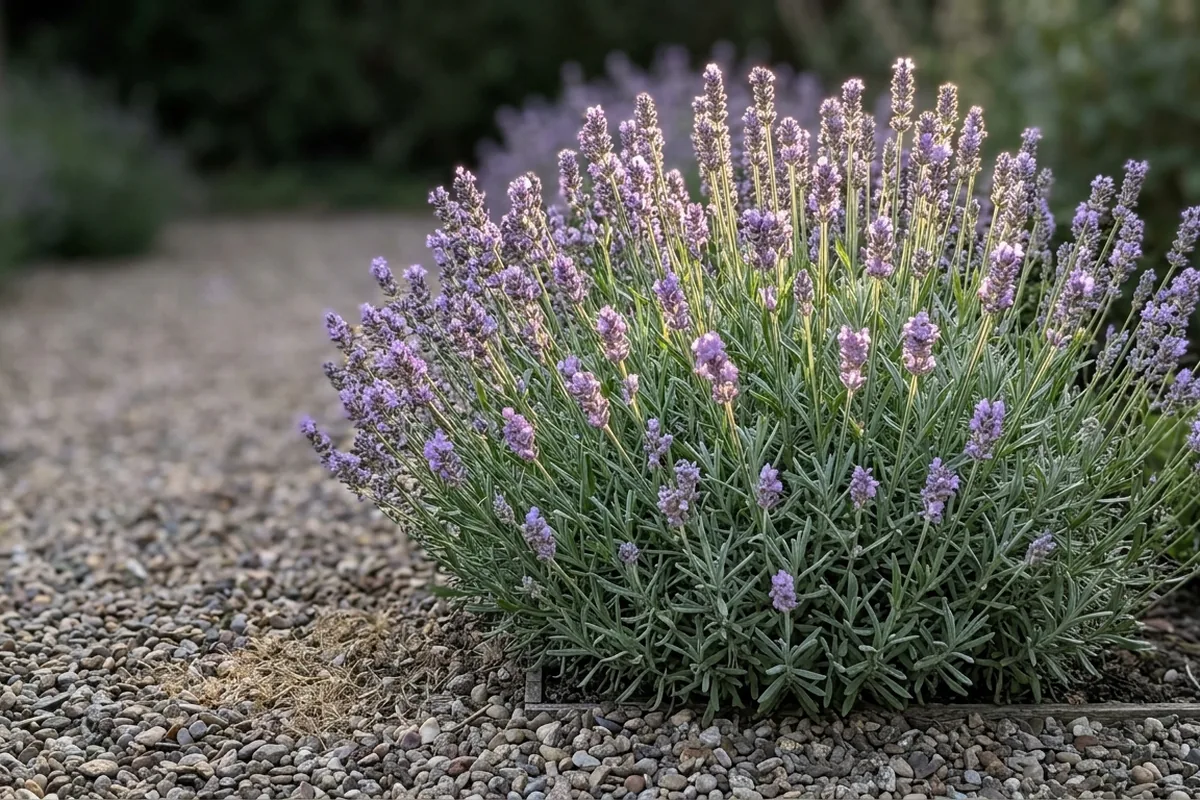
- Lavender, hardy geraniums and sedum (Hylotelephium): scented, bee-friendly and happy in reasonably dry soil.
- Nepeta (catmint) with roses or small shrubs: soft, long-flowering edging that hides bare stems.
- Echinacea, rudbeckia and ornamental grasses: upright flowers with movement from the grasses, lovely from late summer into autumn.
For part shade, think:
- Heuchera, astrantia and ferns for softer, leafy colour.
- Hostas if slugs are under control or you’re willing to use barriers or traps.
If this is happening on your bed – plants sulking while a neighbour’s thrives – check your light and soil before assuming you’ve done something wrong. A sun-lover in a north-facing, damp corner will never be “low maintenance”.
Tricks that cut watering and weeding
A few small decisions at planting time make the biggest difference later on.
- Improve the soil once, properly. Work in garden compost or well-rotted manure before planting. It helps the bed hold moisture evenly, so you’re not out with the watering can every warm evening.
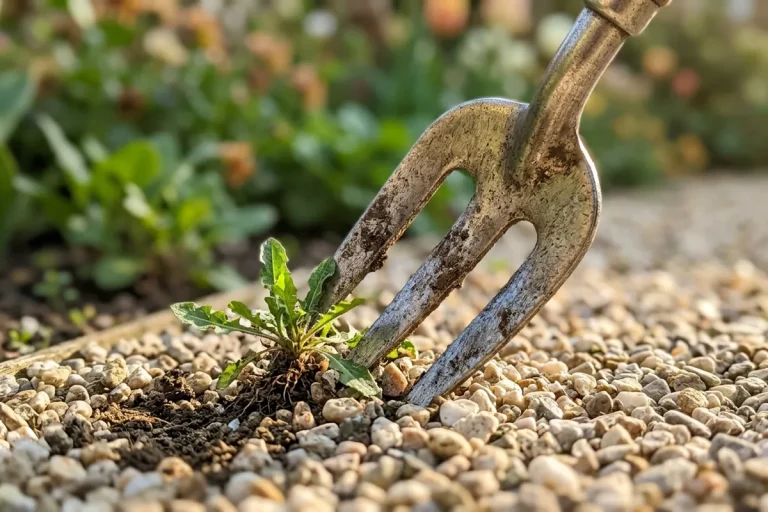
- Mulch the surface. After planting and a good soak, add 5–8 cm of bark, composted bark or gravel, keeping it just away from plant stems. This slows weeds and keeps moisture in. If you see bare soil again, it’s time to top up.
- Install soaker hoses or a simple leaky pipe before you plant, especially in a south-facing or very free-draining bed. Then you can turn on one tap rather than standing there with a rose on the can.
- Choose edging that stops grass creeping in. A simple metal or plastic strip, or a clean spade-cut edge you refresh once or twice a year, saves endless fiddly weeding later.
Before you water in summer, push a finger into the soil between plants. If it’s still cool and damp a few centimetres down, wait. This is the point where many people water again too soon and encourage shallow roots.
A low-maintenance bed is mostly about good choices at the start. Pick tough plants, plant in generous groups, cover the soil and make watering easy, and the bed will reward you even when you’re busy. The next time you pass a garden centre, choose just three reliable perennials you can repeat along one bed and start building from there.
Reader note
The Flower Expert is an independent gardening publication. Your support helps us keep creating practical plant care guides for everyday UK readers.
This article was created with the assistance of AI and reviewed by an editor. It is intended as general gardening information, not personalised professional advice.
If you still have a question, or if something looks unclear or inaccurate, you can contact us through our contact form.
If you found this article helpful, please consider sharing it on social media or leaving a comment below with your own experience. It helps other readers too.