
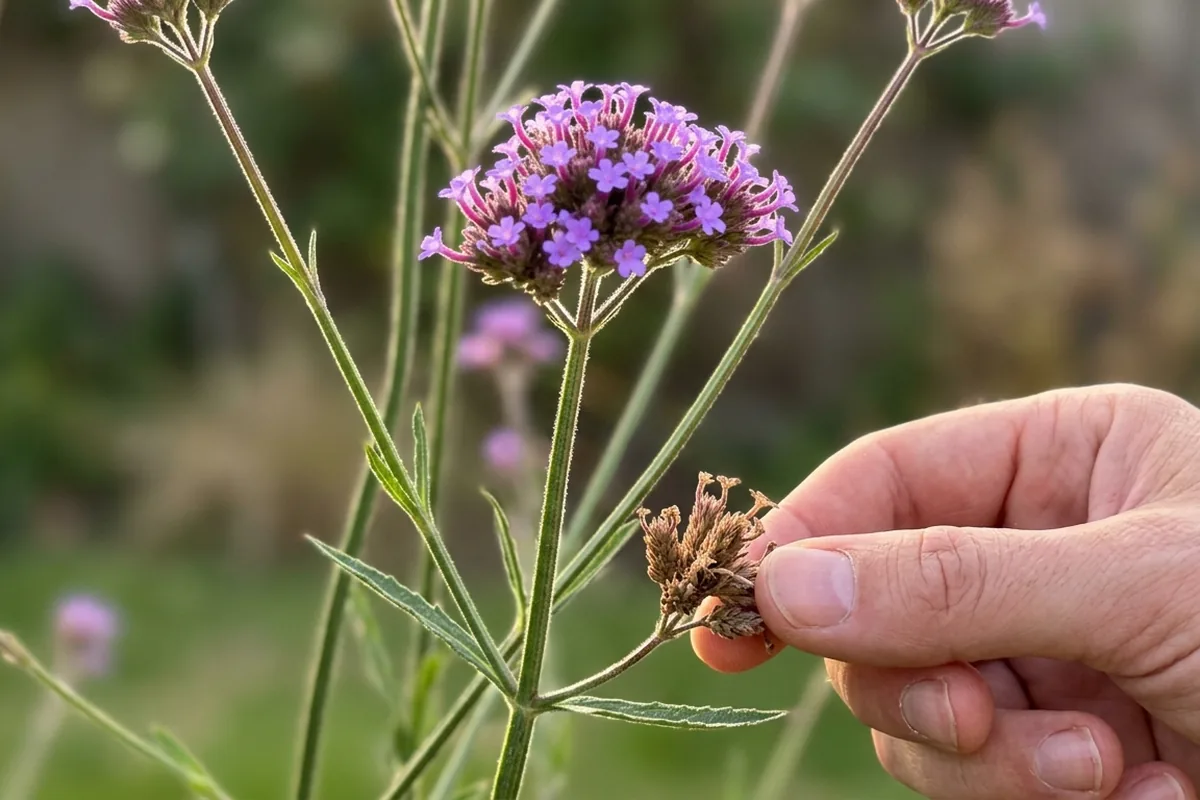
The key to keeping Verbena bonariensis light and floaty is to support its natural habit, not fight it. If your clump has turned into a stiff, chopped-looking stump or a flopping mess after rain, the care routine usually needs a small tweak rather than a complete rethink.
The simple routine that keeps it tall and airy
Verbena bonariensis wants full sun, reasonably well-drained soil and no rich feeding. Too much feed and water pushes out soft, heavy growth that collapses and loses that see-through look.
Aim for:
- Sun: at least half a day of direct light; it stretches and leans badly in shade.
- Soil: free-draining. On heavy clay, plant on a slight mound or in a raised bed so stems don’t sit in winter wet.
- Watering: water new plants well in the first few weeks, then ease off. Once established, only water in a dry spell when the soil is dry a few centimetres down. If you tug a stem and the base feels wobbly in soggy soil, it’s too wet.
- Feeding: avoid high-nitrogen feeds. A light mulch of garden compost in spring is usually plenty.
If you’re growing it in a pot, choose a deep, heavy container with drainage holes and a peat-free compost mixed with grit. Patio pots dry out faster than borders, so check with a finger rather than watering on a schedule.
Deadheading and cutting back without ruining the shape
This is where many people lose that airy feel. Hard cutting at the wrong time can leave you with a blunt clump instead of a cloud of flowers.
Through summer:
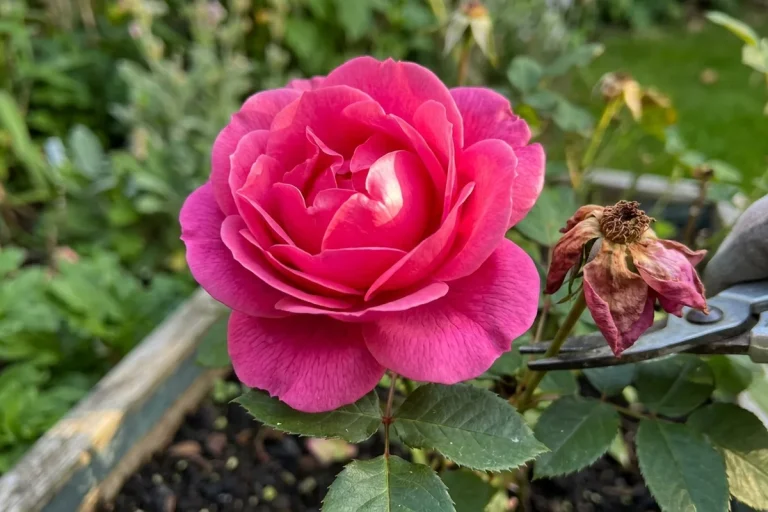
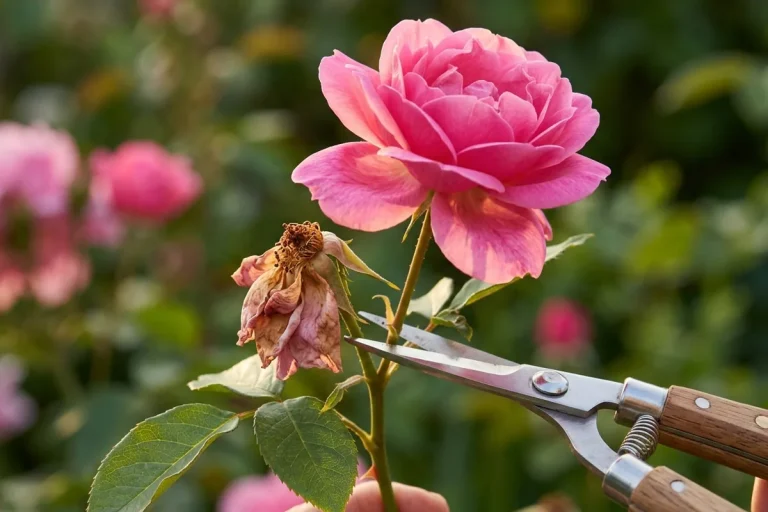
- Deadhead lightly: snip off spent flower heads just above a side shoot, not right down at the base. You’re editing, not scalping.
- Stagger any cutting: if a stem leans after wind or rain, cut that one out at the base and leave the rest. A quick tidy of a few stems every couple of weeks keeps the outline open.
In late autumn, resist the urge to clear everything. The tall seedheads feed birds and look beautiful in low light. Leave most stems standing until early spring.
In March:
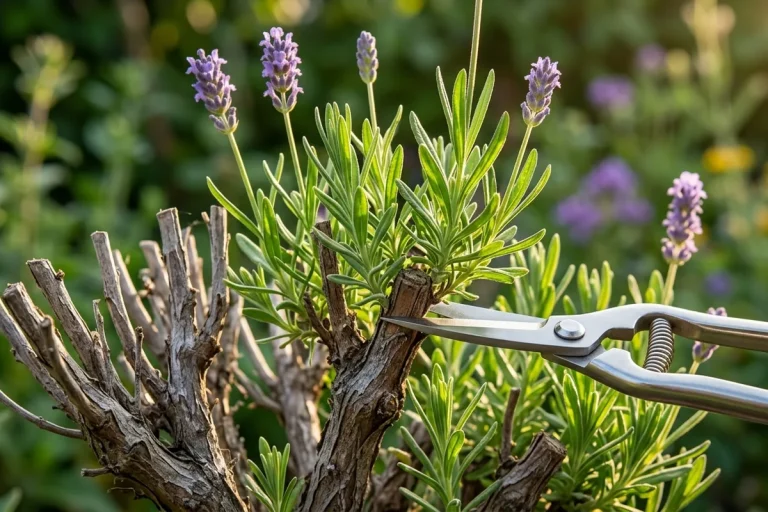
- Cut back the old stems to just above new green shoots at the base.
- Do not cut into the new growth; you want a low framework that can send up fresh, slender wands.
If the plant has become a dense, woody clump, thin out a few of the oldest, thickest stems right at ground level. This opens the centre so new airy growth can thread through. If the leaves look worse after every “fix”, stop cutting and simply let it regrow for a few weeks.
Stopping flop and keeping the see-through effect in a mixed border
Flop usually comes from rich soil, shade, or isolation. Verbena holds itself better when it can lean very slightly into neighbouring plants.
To keep that see-through effect:
- Thread it through grasses, salvias, gaura or low roses so the stems are visually anchored but not smothered.
- Avoid planting it as a tight, single row; small groups of 3–5 plants scattered through a border look more natural and stay airier.
- In a very windy spot, a discreet single cane in the centre, with a loose tie, can help. If you lift the stems and they suddenly feel much lighter and straighter, one support is often enough.
Self-sown seedlings often pop up where the conditions suit them best. These youngsters are usually taller and finer than older, congested clumps. In early spring, keep the best-placed seedlings and remove the rest before they crowd each other and thicken the look.
If this is happening on your plant – chunky stems, heavy heads, lots of flop – ease off the feed, improve drainage if you can, and thin, rather than chop, when you cut. A few small changes now will bring back that cloud of lilac dots dancing above the border by high summer.
Reader note
The Flower Expert is an independent gardening publication. Your support helps us keep creating practical plant care guides for everyday UK readers.
This article was created with the assistance of AI and reviewed by an editor. It is intended as general gardening information, not personalised professional advice.
If you still have a question, or if something looks unclear or inaccurate, you can contact us through our contact form.
If you found this article helpful, please consider sharing it on social media or leaving a comment below with your own experience. It helps other readers too.