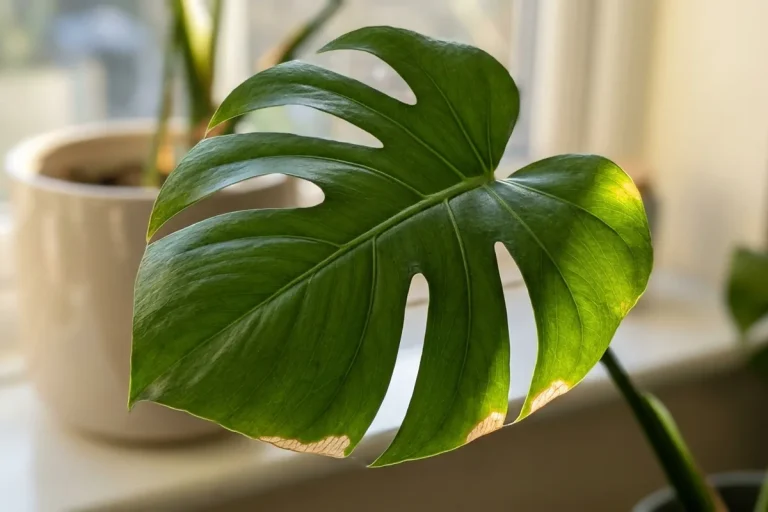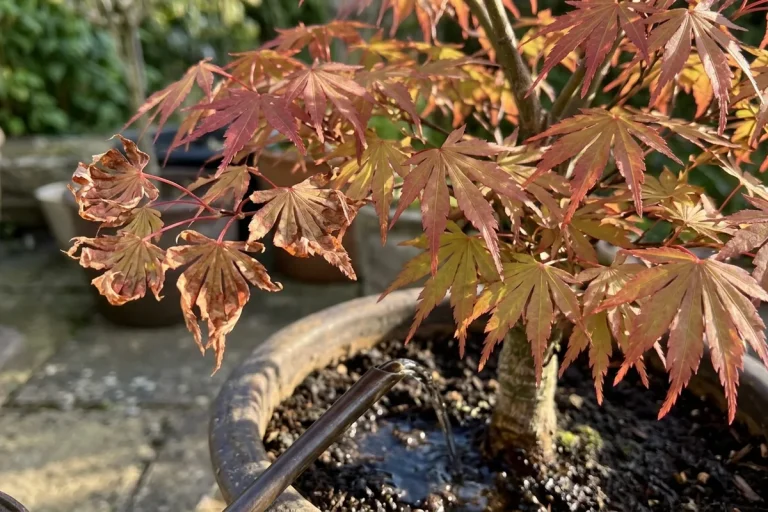

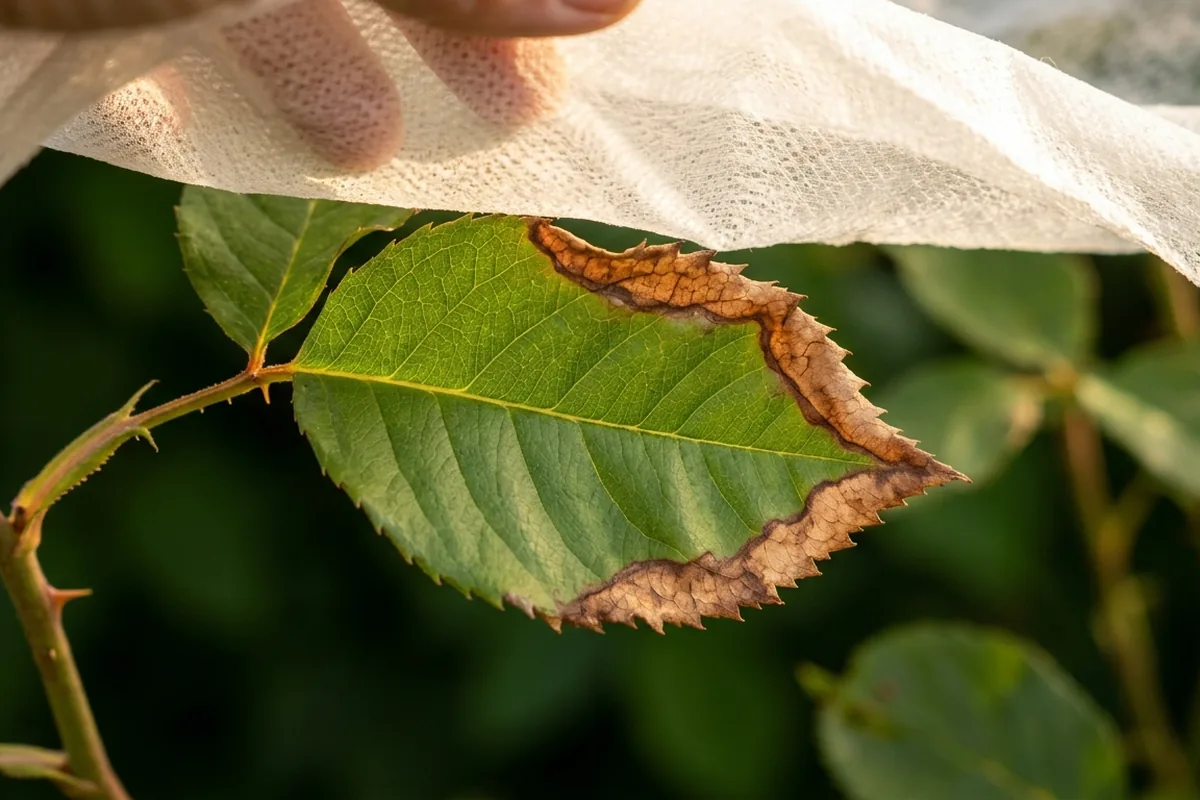
The danger in a heatwave is not just heat; it is how fast plants dry out and scorch. You may be seeing drooping stems by mid-afternoon, pots that are bone dry again the next morning, or leaves crisping at the edges even though you watered.
The essentials: shade, water and timing
Your first priority is water. In a UK heatwave, aim for deep, occasional watering, not constant sprinkling.
- Water early or late. Before 9am or after 7pm is usually safest. Midday watering evaporates fast and can leave compost damp on top but dry around the roots.
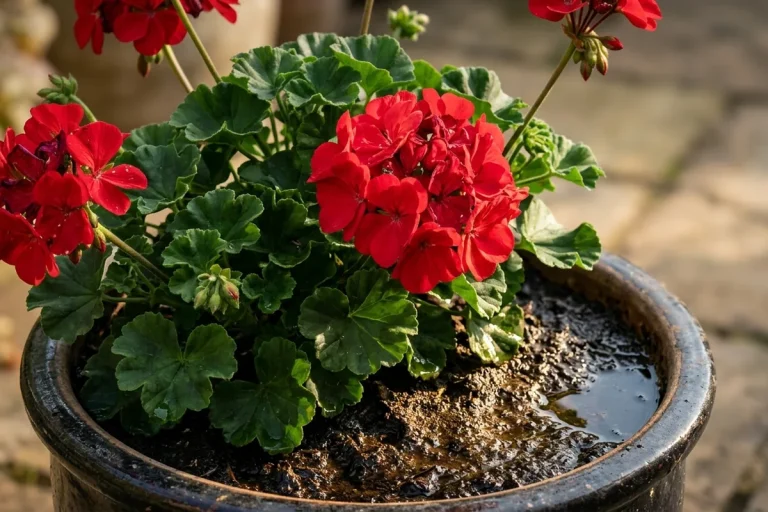
- Soak, don’t sprinkle. For borders, leave the rose on the can off and water at the base until the soil is wet a good spade’s depth down. For pots, water until you see it run from the drainage holes, then empty any saucers once the excess has drained.
- Check before watering again. Push a finger 3–4 cm into the compost. If it is still cool and damp, wait. If the pot feels unexpectedly heavy, it is not ready for more.
Shade is the second line of defence. Strong, still sun on stressed plants is what usually causes brown, scorched patches.
- Move containers and hanging baskets to light shade if you can – against a fence, beside a shrub, or under a tree canopy.
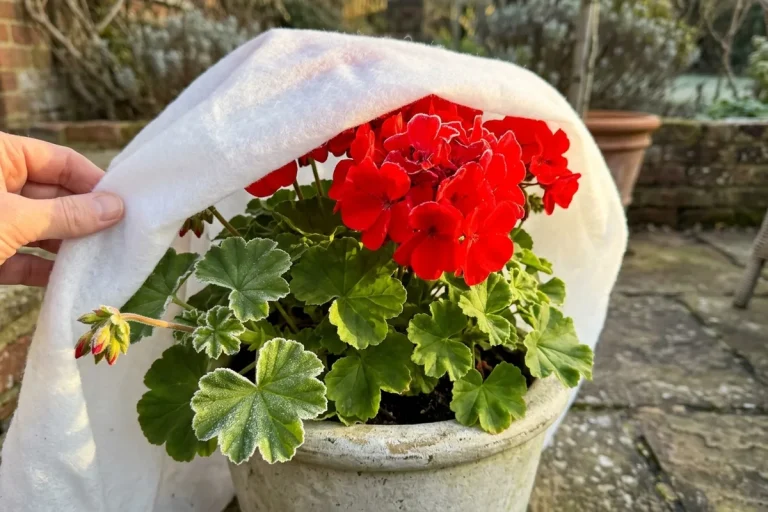
- For plants you cannot move, rig temporary shade: a light-coloured sheet, horticultural fleece or shade netting tied to canes. Even a few hours of shade in the hottest part of the day can help.
Protecting different parts of the garden
Borders dry out more slowly than pots, but roots still struggle in prolonged heat.
- Mulch generously. A 5–8 cm layer of garden compost, bark or well-rotted manure around perennials and shrubs helps keep moisture in and roots cool. Keep mulch a little away from stems.
- Prioritise new plantings. Anything planted this spring is most at risk. Check these first; the useful clue is not one leaf, but the pattern across the plant – whole stems flagging means the roots are struggling.
- Lawns can be left. Grass usually browns then recovers with autumn rain, so save water for borders and pots. Raise the mower blades and mow less often.
Pots and baskets are the first to suffer.
- Use larger containers where possible – small pots on a sunny patio can dry within hours.
- Group pots together so they shade each other and reduce wind around them.
- If a pot is drying out faster than you can keep up, sink it into a border or a larger tub temporarily to keep the root ball cooler.
What not to do in a heatwave
This is the point where many people over-correct and stress plants further.
- Do not overfeed. Extra fertiliser in hot, dry conditions can scorch roots. If you are already feeding, keep to the usual schedule and never stronger than the label suggests.
- Do not prune hard. Removing light, damaged growth is fine, but heavy pruning pushes plants to produce soft new shoots that will struggle in the heat.
- Avoid moving and repotting unless a plant is clearly rootbound and collapsing. Disturbed roots cope poorly with extreme temperatures.
- Do not splash leaves in full sun. A cool shower is best done in the evening, giving foliage time to dry before night.
When the weather finally breaks, keep the extra shade and watering going for a few days. Roots take time to recover, and sudden swings back to “normal” care can be another shock. Start with one area – perhaps the thirstiest pots by the back door – and get a good rhythm going there before you worry about the rest.
Reader note
The Flower Expert is an independent gardening publication. Your support helps us keep creating practical plant care guides for everyday UK readers.
This article was created with the assistance of AI and reviewed by an editor. It is intended as general gardening information, not personalised professional advice.
If you still have a question, or if something looks unclear or inaccurate, you can contact us through our contact form.
If you found this article helpful, please consider sharing it on social media or leaving a comment below with your own experience. It helps other readers too.