

The shift usually starts quietly: cooler evenings, slower growth, a border that looks a bit tired rather than full. This is the moment to get ahead of winter, before the first frost catches you out and leaves flop or pots crack.
If you’re looking at fading perennials, leggy summer bedding and pots that dried out once too often in August, these are all signs your garden is ready for its autumn reset.
The key autumn jobs that make winter easier
Focus on a few high‑impact jobs rather than trying to do everything.
- Tidy, but don’t strip bare. Cut back spent annuals and obviously dead stems. Leave sturdy seed heads on plants like echinacea, sedum and ornamental grasses; they feed birds and look beautiful with frost.
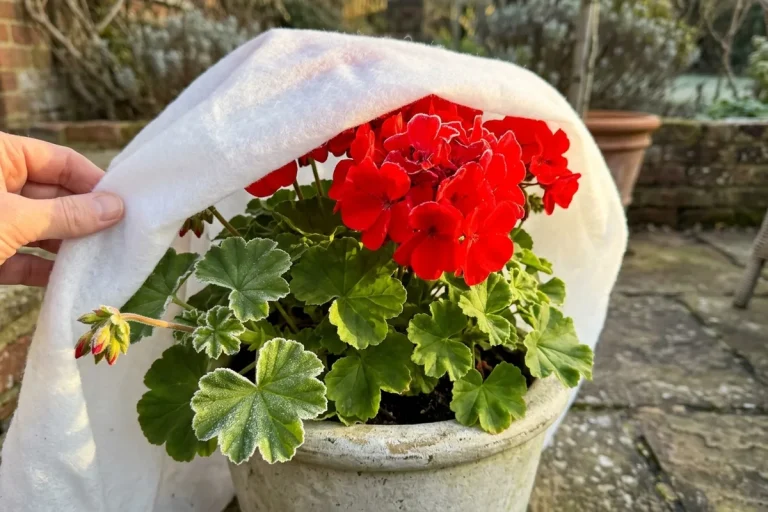
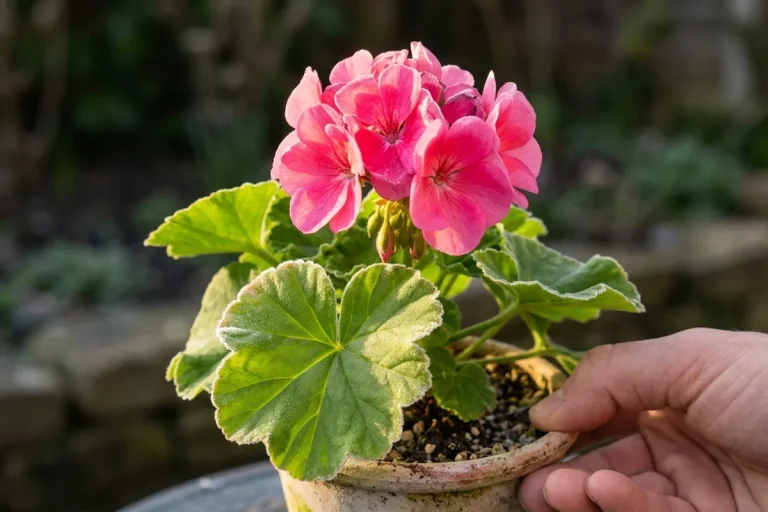
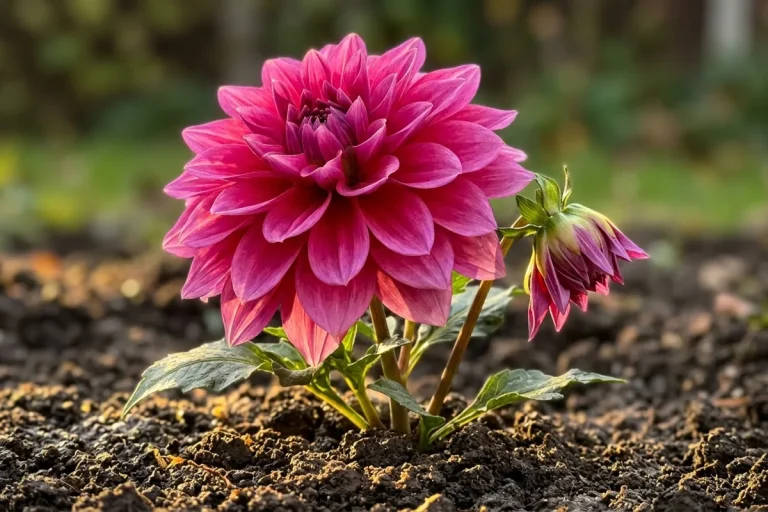
- Lift or protect tender plants. Dahlias, cannas and pelargoniums dislike hard frost. In milder areas you can mulch dahlias deeply; elsewhere, lift the tubers, dry them off and store somewhere cool and frost‑free.
- Weed while the soil is still warm. Autumn weeding is oddly effective – many weeds won’t come back strongly until spring. If the soil crumbles easily when you pull a weed, you’re doing it at the right time.
- Mulch borders. Once the soil is moist from autumn rain, add 3–5 cm of compost or well‑rotted manure. Do not bury crowns; just cover the bare soil between plants. This helps protect roots and improves structure over winter.
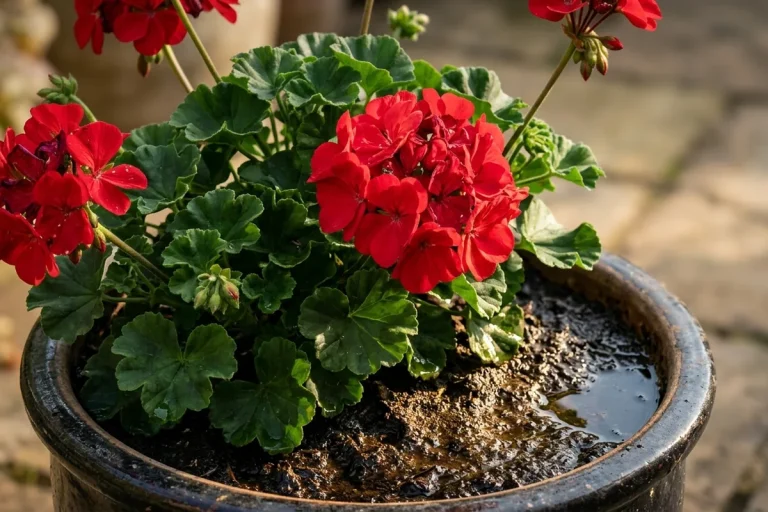
- Check pots and containers. Replace exhausted summer bedding with hardy violas, cyclamen, heathers or small evergreen shrubs. If you lift the pot and it still feels heavy from yesterday’s rain, wait before watering again.
Protecting plants from frost, wind and wet
Autumn in the UK is often more about cold, wet roots and wind than deep freeze.
Wrap outdoor taps and drain hoses before a hard frost is forecast. For borderline‑hardy shrubs in pots, move them against a house wall, slightly raised on pot feet or bricks so excess water can drain. A saucer still holding water the next morning is a warning sign.
For exposed beds, use wind, not just temperature, as your guide. Young evergreens and newly planted shrubs benefit from a windbreak of hessian or mesh in very open gardens. On a balcony or small patio, simply grouping pots together gives extra shelter and keeps compost from freezing so quickly.
In a greenhouse, clear out dead leaves, old compost and any mouldy trays, then ventilate on dry days. This is the point where many people shut everything up too early and end up with grey mould by November.
Planting now for spring and beyond
Autumn is one of the best planting seasons in the UK because the soil is still warm but rain is more reliable.
Plant spring bulbs – daffodils, crocus, alliums – as soon as the soil is workable. Tulips can wait until late October or November to reduce disease risk. Check each bulb sits at roughly three times its own depth; if you can see the tip just under the surface, it’s too shallow and more likely to suffer in a hard frost.
It’s also an ideal time to plant hardy perennials, trees and shrubs. Roots will quietly establish through autumn and early winter, ready to surge in spring. Water them in well once, then only again if there’s a dry spell; a quick finger check into the soil near the rootball tells you more than a damp surface.
Finish by mowing the lawn slightly higher, clearing leaves from grass and paths, and adding them to a leaf‑mould pile or bag. By next autumn you’ll have a lovely, dark, crumbly mulch for woodland plants and borders.
A calm afternoon spent on these jobs now means fewer losses, less panic at the first frost, and a garden that steps into winter looking cared‑for rather than abandoned. Choose one area – perhaps your pots, or your main border – and start there this week.
Reader note
The Flower Expert is an independent gardening publication. Your support helps us keep creating practical plant care guides for everyday UK readers.
This article was created with the assistance of AI and reviewed by an editor. It is intended as general gardening information, not personalised professional advice.
If you still have a question, or if something looks unclear or inaccurate, you can contact us through our contact form.
If you found this article helpful, please consider sharing it on social media or leaving a comment below with your own experience. It helps other readers too.