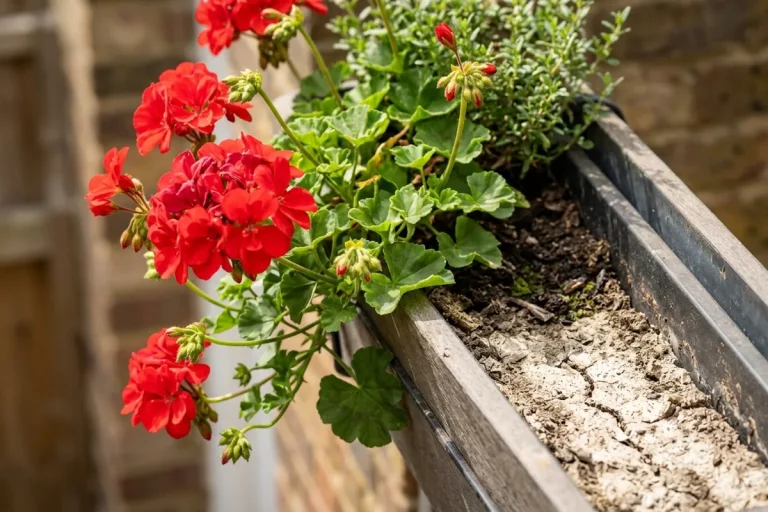

Heavy winter rain pooling everywhere and baked, cracked ground by August – if that sounds familiar, it’s a sign your hard surfaces are shedding water instead of helping your garden soak it up.
Practical permeable paving options that work in UK gardens
Permeable paving simply means rain can soak through rather than racing off to the nearest drain. Done well, it keeps paths usable, reduces puddles and quietly waters nearby beds.
Good options to consider:
- Gravel with a firm base: A compacted sub-base of Type 3 or similar, topped with 15–30 mm gravel. Use a grid system if you want a stable surface for trolleys or bikes. If the gravel looks scattered after heavy use, just rake it back.
- Permeable setts or blocks: Concrete or clay blocks designed with wider joints and a free-draining sub-base. The gaps are filled with fine gravel, not sand. If water is still sitting on top after a shower, the joints may need topping up or clearing.
- Resin-bound gravel: Stones bound in a resin that leaves tiny gaps for water. It feels smooth underfoot and works well for front gardens and driveways, but you’ll need a competent installer.
- Open-jointed paving slabs: Ordinary slabs laid with wider, un-pointed joints filled with gravel or low groundcover plants. If you lift a slab and find a solid, cemented base, water will still run off – the base must be free-draining.
- Reclaimed brick on sand: Bricks laid on a permeable base with loose joints. Not as free-draining as gravel, but much better than solid mortar.
If you step outside after rain and the surface still has standing water an hour later, it’s not doing its job.
How to make paving more plant-friendly
Permeable paving is as much about what’s underneath as what you see on top.
Use a free-draining sub-base (often MOT Type 3 or similar) rather than concrete. This gives water somewhere to go and protects nearby plant roots from sitting in a sump.
A few small tweaks make a big difference:
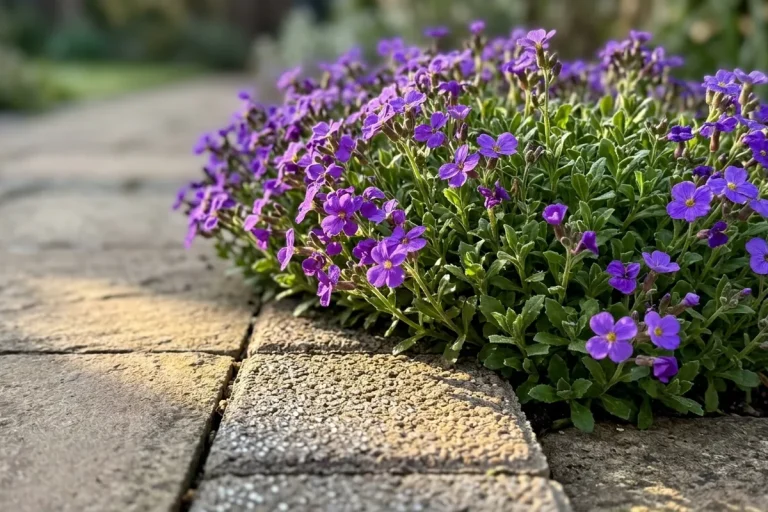
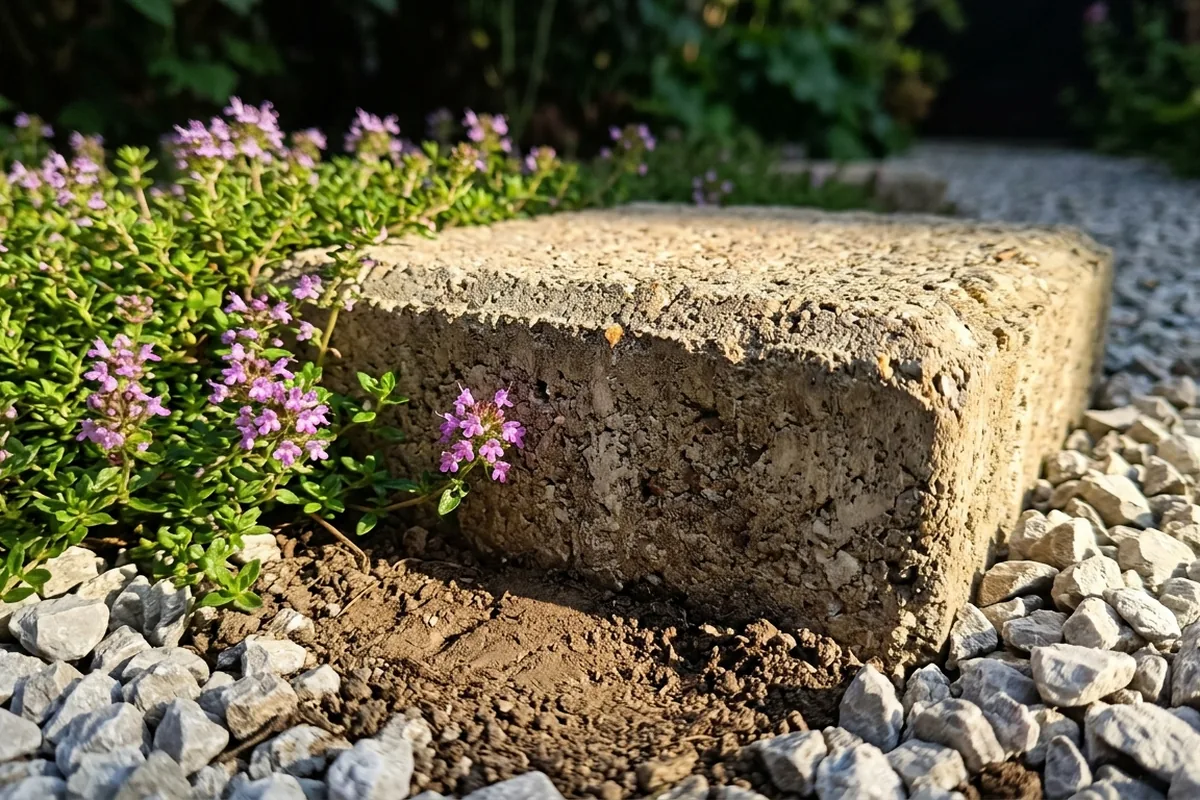
- Soften edges with planting strips. Leave 10–30 cm gaps between paving and borders for thyme, creeping Jenny, or low alpines. These strips take overflow in a downpour.
- Break up large solid areas. A continuous driveway sheds a lot of water. Consider a central planting island or bands of gravel between tracks where car tyres run.
- Let water run to soil, not drains. Slightly tilt paths so water moves towards beds, a rain garden or a gravel soakaway, not straight to the street gully.
- Use darker, textured surfaces where possible – they show algae less and give better grip in a wet British winter.
If the area is near the house, check with your local council or the RHS guidance before changing levels or blocking existing drains.
Simple ideas for small, sustainable spaces
You don’t need a full driveway redesign to benefit.
On a balcony or tiny patio:
- Swap solid trays for gravel-filled trays under pots so water can drain and evaporate.
- Replace one solid slab with a shallow gravel or pebble square where rain from the downpipe can soak away.
- Use permeable jointing between existing slabs – remove cracked mortar and replace with fine gravel or a creeping plant.
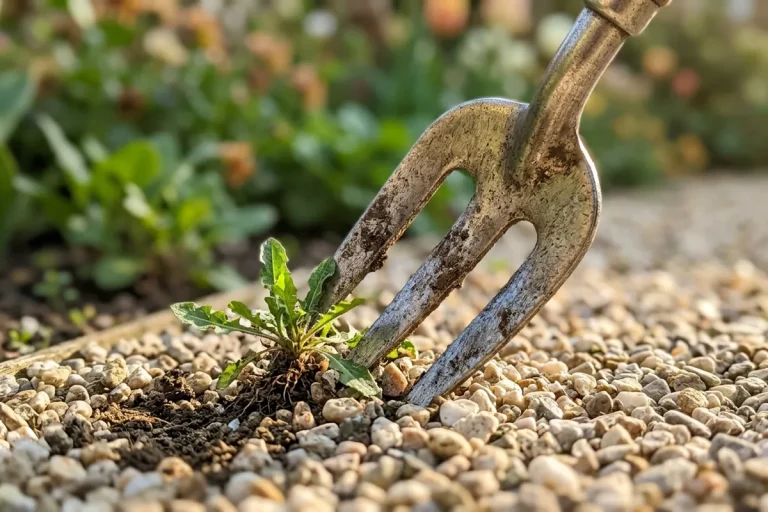
On a typical UK front garden, even lifting a strip of old concrete and replacing it with gravel and a few tough perennials can turn a puddle-prone corner into a small soakaway. If you lift the old slab and the soil beneath is compacted and grey, loosen it with a fork before adding any new layers.
Start with one area that regularly puddles or floods a border. Change that to a permeable surface and watch how the surrounding plants respond over a winter and one dry spell – it’s a manageable way to test what works before redoing the whole space.
Reader note
The Flower Expert is an independent gardening publication. Your support helps us keep creating practical plant care guides for everyday UK readers.
This article was created with the assistance of AI and reviewed by an editor. It is intended as general gardening information, not personalised professional advice.
If you still have a question, or if something looks unclear or inaccurate, you can contact us through our contact form.
If you found this article helpful, please consider sharing it on social media or leaving a comment below with your own experience. It helps other readers too.