
British weather can be kind to new vegetable growers, as long as you pick the right crops and give them a simple routine. If you are looking at a packet of seeds, a chilly sky and a small patch of soil (or a few pots) and wondering where to start, you are exactly who this guide is for.
The easiest vegetables for our stop‑start weather
Focus on crops that tolerate cool, changeable conditions and don’t need much fuss. Good first choices:
- Salad leaves (mixed lettuce, rocket, cut-and-come-again mixes)
- Radishes
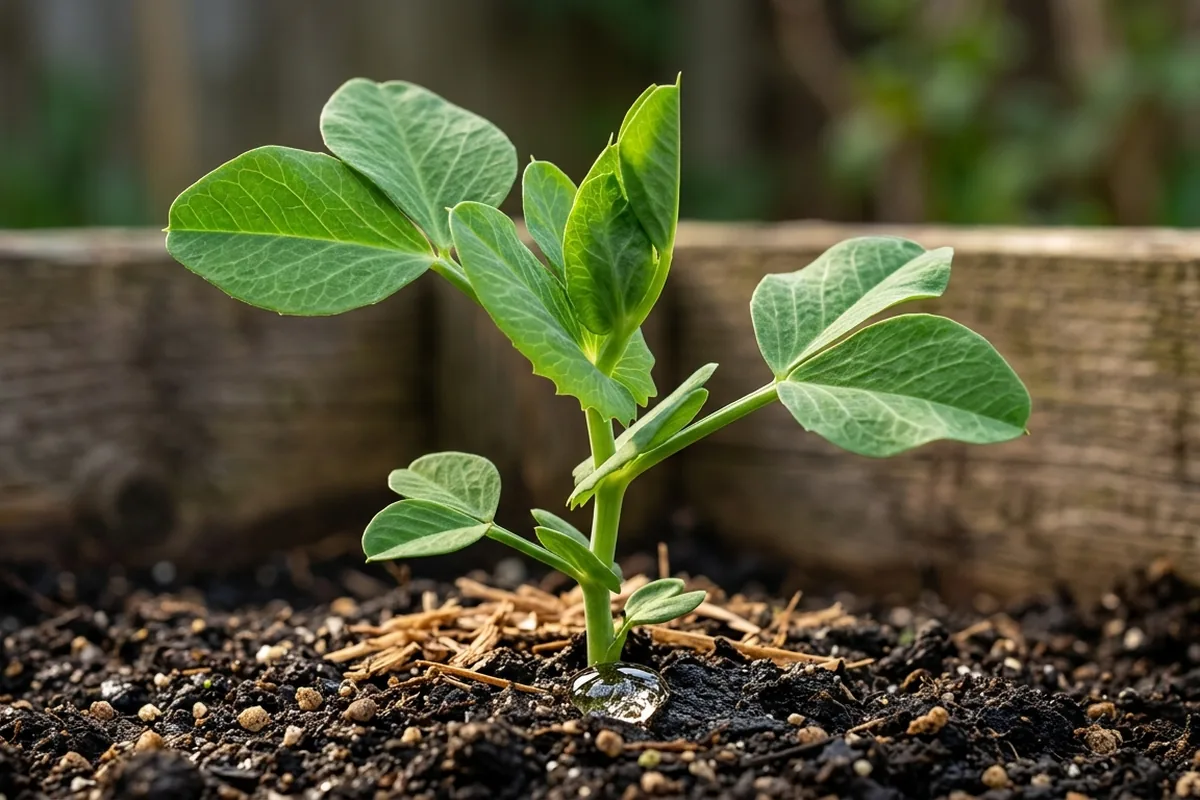
- Peas and mangetout
- Runner beans or French beans (after frost)
- Courgettes (in a warm, sheltered spot)
- Spring onions and beetroot
If you have only containers on a balcony or patio, salads, radishes, beetroot and dwarf French beans do very well. A 30 cm pot on a bright patio often dries faster than a border, so check the compost with a finger rather than trusting the surface.
Avoid heat-lovers like peppers and aubergines at first; they usually need a greenhouse or very warm, sheltered corner to crop well in the UK.
When and how to sow for reliable results
For most beginners, the easiest rhythm is:
- Early spring (March–April): sow peas, salads, radish, beetroot, spring onions.
- Late spring (May, after last frost): sow courgettes and beans outdoors or plant young plants from a garden centre.
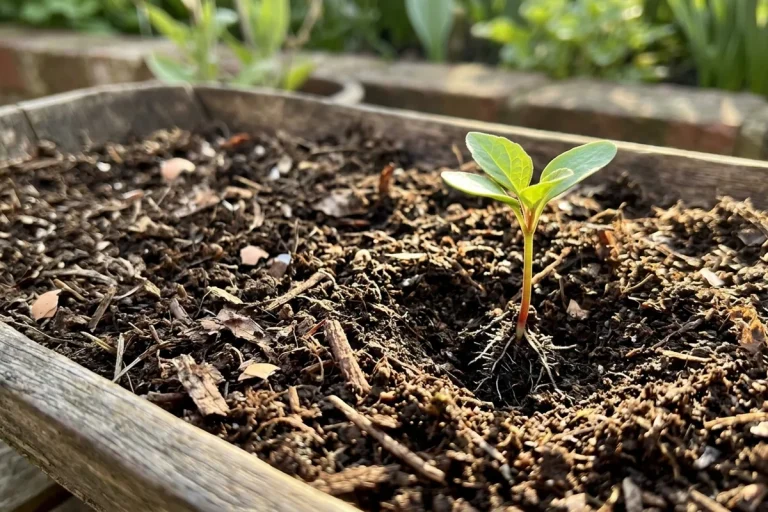
Sow directly into moist, crumbly compost or soil, not cold, claggy mud. If the soil sticks in lumps to your trowel, wait a few days.
A simple method for pots and raised beds:
1. Fill with multipurpose compost.
2. Firm very lightly, then water once so it’s evenly damp.
3. Sow seeds at the depth on the packet – usually just under the surface for salads and radishes.
4. Cover, label, and keep moist but not soggy.
If you lift the pot and it still feels heavy the next day, wait before watering again. This is the point where many people water “just in case” and end up with rotting seed rather than seedlings.
Looking after your veg through rain, cold and the odd heatwave
British weather swings are what usually catch beginners out, not the seeds themselves.
- Cold nights and late frost: Peas and salads cope with cool nights, but beans and courgettes do not. If frost is forecast, cover young plants with fleece or an old clear plastic cloche, or move pots against a house wall.
- Wet spells: In a very wet week, containers can stay wet for days. Check for drainage holes and tip away any water sitting in saucers the next morning.
- Dry, bright weeks: Pots and growbags can need watering once a day in summer. Water in the evening, give a thorough soak until water runs out of the base, then let the top few centimetres dry before the next watering.
- Feeding: For quick crops like salads and radishes, fresh compost usually has enough nutrients. For beans and courgettes in containers, start a balanced liquid feed (follow the label) once flowers and small fruits appear.
The useful clue is not one leaf, but how the whole plant looks: wilting leaves with dry compost usually mean more water; wilting leaves with wet compost suggest the roots are struggling for air, so ease off and improve drainage.
Start with one or two crops, notice how the compost and leaves behave through a week of British weather, then add more. A small, well‑looked‑after pot of salad that you actually eat is far more encouraging than a big bed of sulking plants.
Reader note
The Flower Expert is an independent gardening publication. Your support helps us keep creating practical plant care guides for everyday UK readers.
This article was created with the assistance of AI and reviewed by an editor. It is intended as general gardening information, not personalised professional advice.
If you still have a question, or if something looks unclear or inaccurate, you can contact us through our contact form.
If you found this article helpful, please consider sharing it on social media or leaving a comment below with your own experience. It helps other readers too.