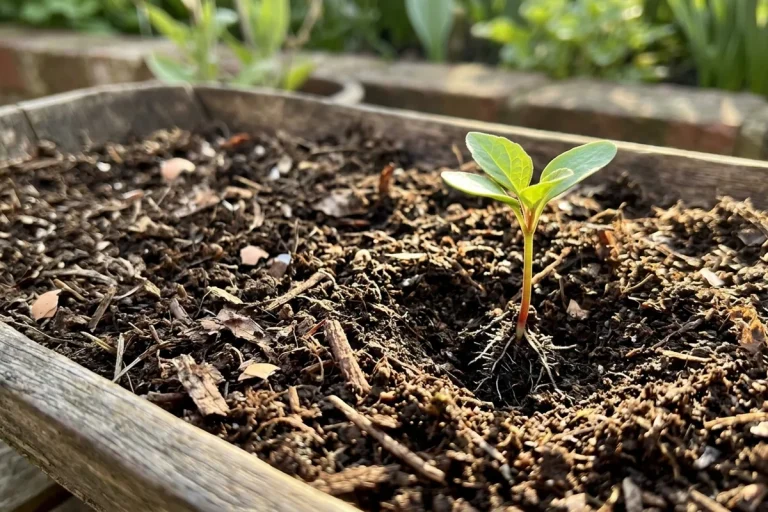


Geum ‘Totally Tangerine’ is a generous, long-flowering perennial that copes well with both full sun and light shade, as long as the soil is prepared properly. If you’ve brought home a pot from the garden centre and are now staring at a sunny border that goes shady by afternoon, this is exactly the right plant.
The best spot and soil for planting
Choose a position with at least half a day of light: full sun, or sun in the morning and dappled shade later. In deeper shade it will survive, but you’ll get fewer flowers and more floppy stems.
Geums like moist but well-drained soil. They dislike sitting in water in winter, yet also hate drying right out in a summer spell. Before you plant, check how your soil behaves after rain: a border that drains within a few hours is ideal; a spot that stays puddled is not.
In heavy clay, work in plenty of garden compost or well-rotted manure to improve drainage and structure. In very light, sandy soil, add compost plus a bit of garden topsoil to help it hold moisture. If the surface looks cracked and dusty but feels damp a few centimetres down, your soil probably just needs more organic matter.
How to plant Geum Totally Tangerine step by step
1. Water the plant in its pot an hour before planting. This stops dry compost from repelling water once it’s in the ground.
2. Dig a hole about twice as wide as the pot and just as deep. You want the crown (where leaves meet roots) to sit level with the soil surface, not buried and not perched high.
3. Loosen the roots. Slide the plant out of its pot. If you see roots circling tightly, gently tease them out with your fingers so they grow into the surrounding soil.
4. Set the plant in place. In sun, give it a little room from thirsty neighbours; in partial shade, avoid planting right under a dense, greedy shrub. Check from the side: the crown should be at soil level. If the crown ends up sitting proud, it can dry out; if it’s buried, it may rot.
5. Backfill and firm. Fill the hole with the improved soil, pressing gently around the rootball to remove air pockets. The soil should feel firm but not compacted. If you stand back and the plant wobbles in a breeze, firm a bit more.
6. Water thoroughly. Give a slow, deep soak so water reaches the full depth of the roots. If a little saucer of water sits on the surface and vanishes slowly, that’s fine; if it runs straight off, water more gently in stages.
7. Mulch around, not over. Add a 3–5 cm layer of compost or fine bark around the plant, keeping it just clear of the crown. This helps keep roots cool in sun and holds moisture in light shade.
Looking after it in sun vs partial shade
In full sun, Geum ‘Totally Tangerine’ usually flowers hardest. The trade-off is that it may need more frequent watering in its first year, especially in a warm, drying spell. Before you water again, push a finger into the soil: if it’s dry for the top 3–4 cm, water; if it still feels cool and damp, wait.
In partial shade, especially on a north or east-facing border, the soil often stays moist for longer. This is the point where many people water again too soon. Look at the whole plant: drooping stems plus dry soil usually mean thirst; drooping stems plus cool, wet soil mean it’s had enough water and may just be sulking after wind or transplanting.
Deadhead spent flowers to encourage more. Every few years, if the clump starts to thin in the middle, lift and divide it in early spring or early autumn to keep it vigorous.
Once you’ve planted one successfully, you’ll know exactly how your soil and light suit it – then it’s easy to add a few more and create a long, soft run of tangerine flowers through late spring and summer.
Reader note
The Flower Expert is an independent gardening publication. Your support helps us keep creating practical plant care guides for everyday UK readers.
This article was created with the assistance of AI and reviewed by an editor. It is intended as general gardening information, not personalised professional advice.
If you still have a question, or if something looks unclear or inaccurate, you can contact us through our contact form.
If you found this article helpful, please consider sharing it on social media or leaving a comment below with your own experience. It helps other readers too.