
British hanging baskets live through blazing sun one week and sideways rain the next. If yours look brilliant in May but tired and straggly by July, it’s usually because the plants can’t cope with those swings in temperature, wind and moisture.
Reliable flowers that shrug off sun, showers and wind
These choices usually keep going through a typical stop–start UK summer, especially if you mix them in one basket so no single bad spell wipes everything out.
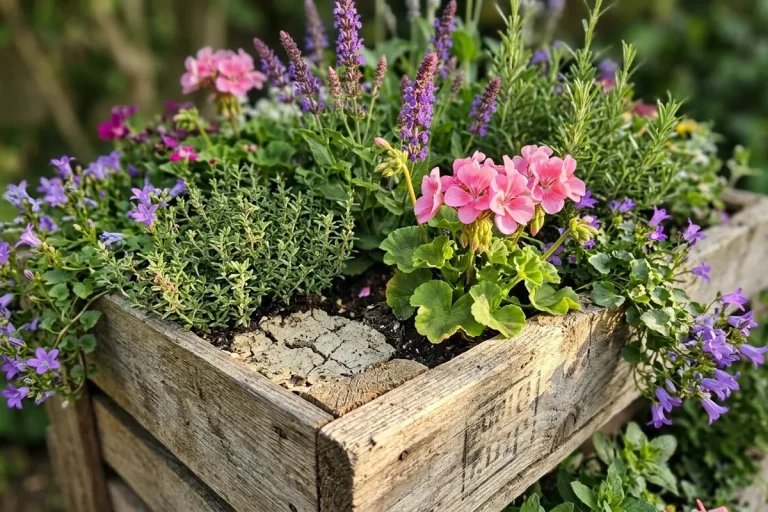
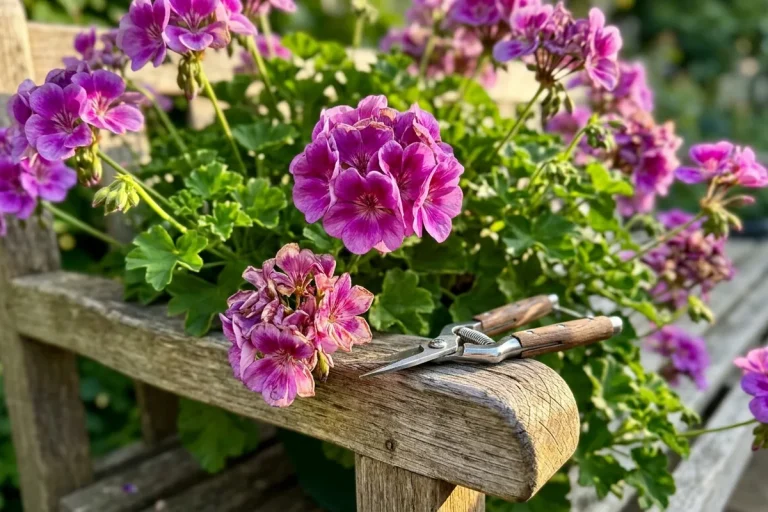
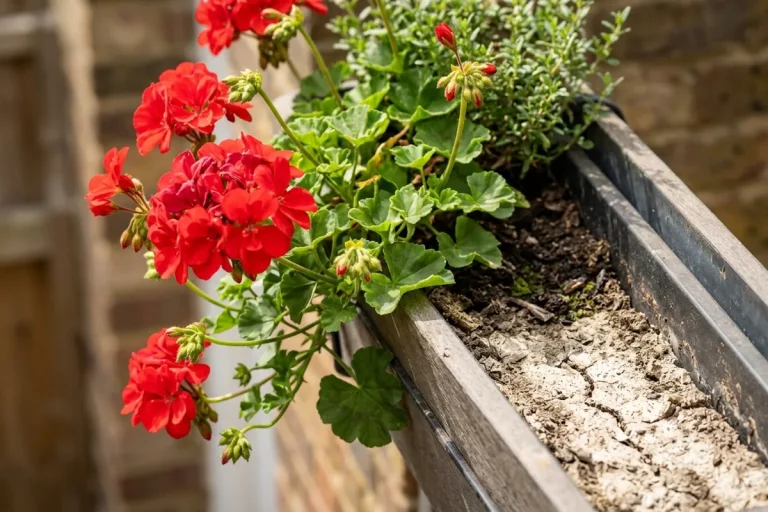
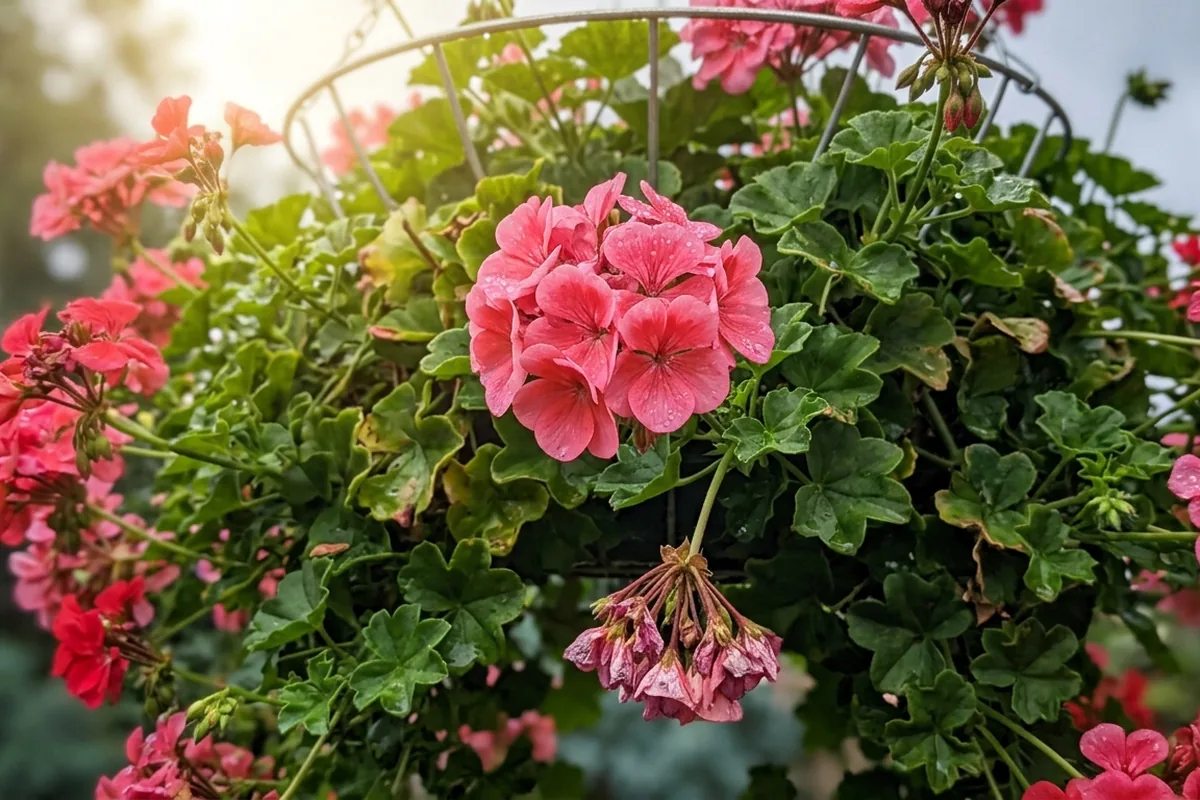
- Trailing ivy-leaved geraniums (Pelargoniums)
Tough, drought-tolerant and happy in sun. Their slightly fleshy leaves cope well when a basket dries out between showers. Good near south-facing walls where ordinary bedding frazzles.
- Fuchsias (especially hardy and trailing types)
Excellent for changeable light – they don’t mind bright but cool days, and cope better with wet spells than many bedding plants. Ideal for east or north-facing baskets where sun comes and goes.
- Bacopa (Sutera)
Covered in small white, pink or blue flowers that keep going through rain. It can sulk in a very hot, dry spell, but bounces back quickly once watered. Look for compact trailing varieties.
- Lobelia (trailing forms)
Fine stems mean wind passes through rather than snapping them. In a wet summer they often look better than in a scorching one. If the top looks tired, a light trim and feed usually brings fresh growth.
- Calibrachoa (Million Bells)
Like mini petunias but generally tougher in rain. They flower for months if you let the compost dry slightly between waterings and feed regularly.
- Nemesia and Diascia
Brilliant for cool, unsettled weather. They flower well in a typical British summer and often revive after a trim when heat breaks a damp spell.
If you have a very exposed balcony or coastal garden, add a strand or two of trailing ivy for structure – it rides out wind and cold better than flowers and helps the basket look full even on off days.
How to plant for unpredictable weather
Think of the basket as a small, hanging border that dries faster and swings in the wind.
- Use a decent peat-free compost with some slow-release fertiliser mixed in. Add a little fine bark or grit for drainage so heavy rain doesn’t leave roots sitting in a soggy lump.
- Choose a larger basket if you can. More compost means more buffer against both drought and downpours.
- Tuck the thirstier plants (lobelia, bacopa, nemesia) towards the centre, and the more drought-tolerant (pelargoniums, ivy) nearer the edge where it dries faster.
- In very exposed spots, avoid tall, brittle plants. Low, mounding and trailing shapes move with the wind instead of snapping.
When planting, check bulbs or plug plants are not sitting too close to the surface. A root ball half out of the compost dries out in a single breezy afternoon.
Care habits that matter more than the label
Even the toughest plants will struggle if the basket swings between bone dry and waterlogged.
- Check weight, not just the surface. If you lift the basket and it still feels surprisingly heavy, wait. The top can look dry while the centre is still wet.
- Water thoroughly, but less often. Let the top couple of centimetres dry, then water until it runs from the drainage holes. If the saucer is still holding water the next morning, you’re overdoing it.
- Feed little and often with a balanced liquid feed, following the label. Changeable weather washes nutrients out quickly; weak weekly feed usually beats a strong dose once in a while.
- In heatwaves after wet spells, flowers can suddenly scorch. A bit of afternoon shade – moving a hook along the wall or using a bracket under an eave – often makes more difference than changing the plants.
If the leaves look worse after every “fix”, stop changing several things at once. First settle the watering rhythm, then adjust light or feed.
Choose two or three of these weather-tolerant plants, give them a roomy basket and a steady routine, and your display should look cheerful whether the forecast says showers, sunshine or “a bit of everything”.
Reader note
The Flower Expert is an independent gardening publication. Your support helps us keep creating practical plant care guides for everyday UK readers.
This article was created with the assistance of AI and reviewed by an editor. It is intended as general gardening information, not personalised professional advice.
If you still have a question, or if something looks unclear or inaccurate, you can contact us through our contact form.
If you found this article helpful, please consider sharing it on social media or leaving a comment below with your own experience. It helps other readers too.