
A good-looking front garden does not have to mean endless clipping, deadheading and weeding. If you’re tired of a bare path, scruffy lawn or pots that always seem to be “between seasons”, a few simple changes can make the front of your home feel cared-for without adding a weekly chore.
Simple structure that always looks tidy
The easiest way to lift kerb appeal is to sort the bones first – the shapes that look good all year, even in February drizzle.
- Swap fussy beds for clear lines. A narrow gravel strip each side of the path, edged with bricks or metal, instantly looks neater than a weedy border.
- Use evergreen anchors. A pair of bay, box (blight-free varieties), or small yew cones in pots by the door gives structure in winter and doesn’t shout for attention.
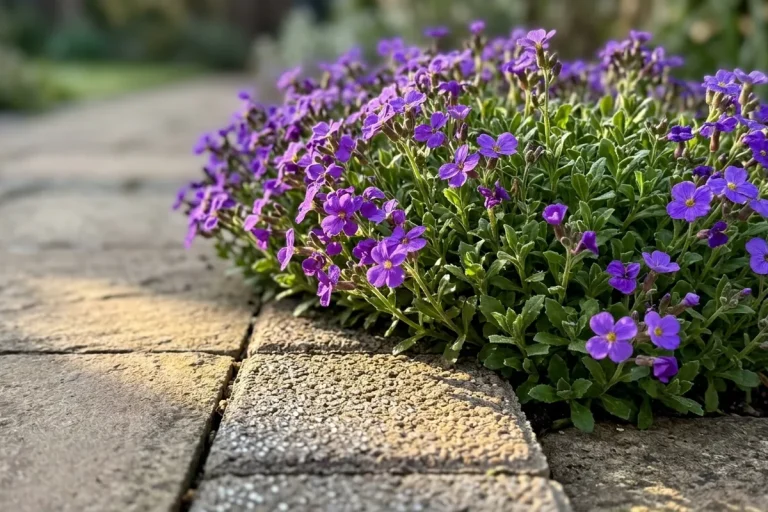
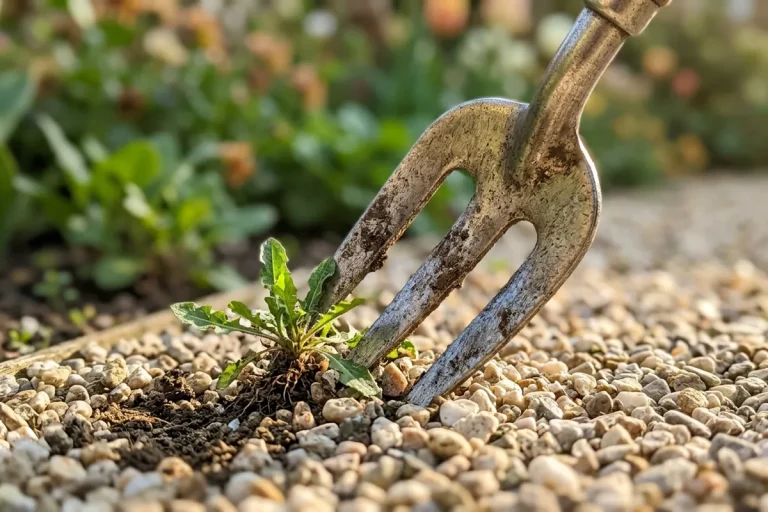
- Tidy, not perfect, paving. Brush or scrape out obvious weeds between slabs once or twice a year, then leave the rest. A slightly green path looks lived-in, not neglected.
- Calm the colour palette. Two or three repeated colours – for example white, soft pink and purple – look deliberate and are easier to match when you replace plants or pots.
If this is happening outside your house – a mix of random pots, a patchy lawn and a hedge that’s winning – start with one edge or one corner, not the whole lot at once.
Low‑effort planting that still feels generous
For the front to feel welcoming, you want plants that more or less look after themselves once they’re established.
Choose plants that:
- cope with UK weather
- don’t need constant deadheading
- keep their shape without regular pruning
Good front‑garden stalwarts include:
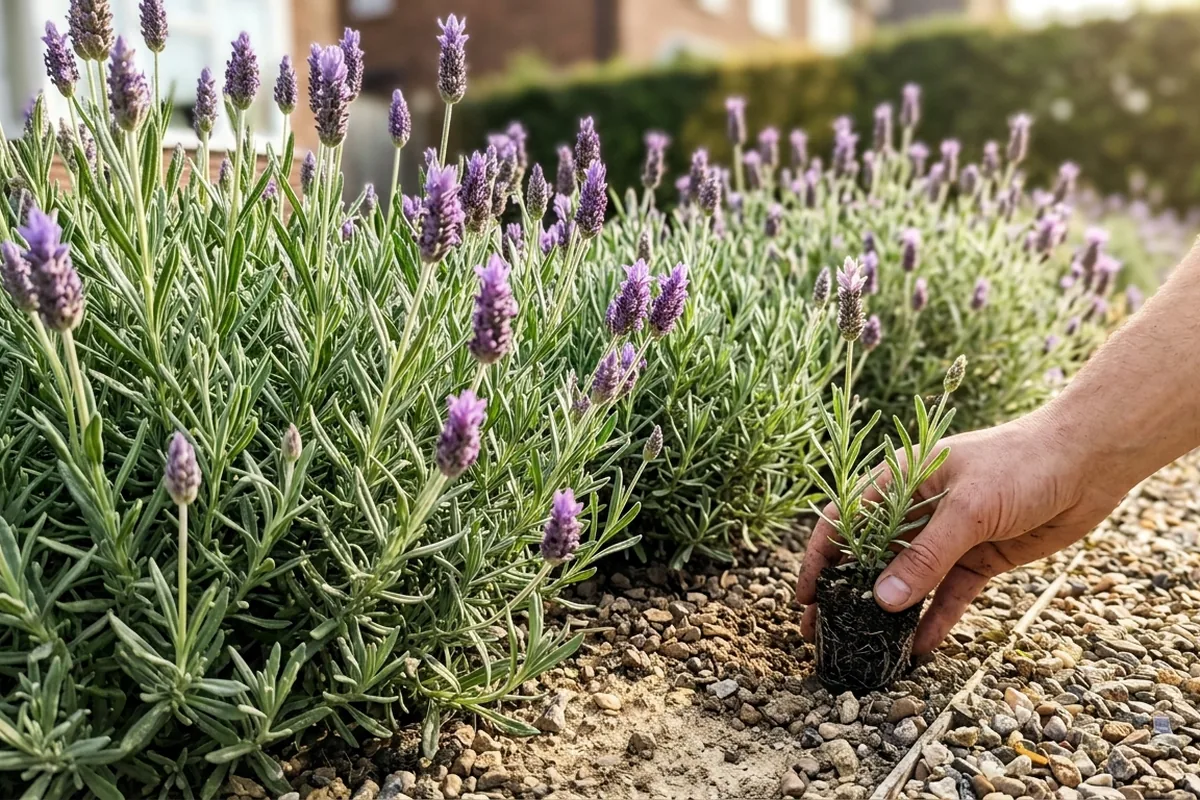
- Lavender and rosemary along a path – sun-loving, drought-tolerant once settled, and scented when you brush past.
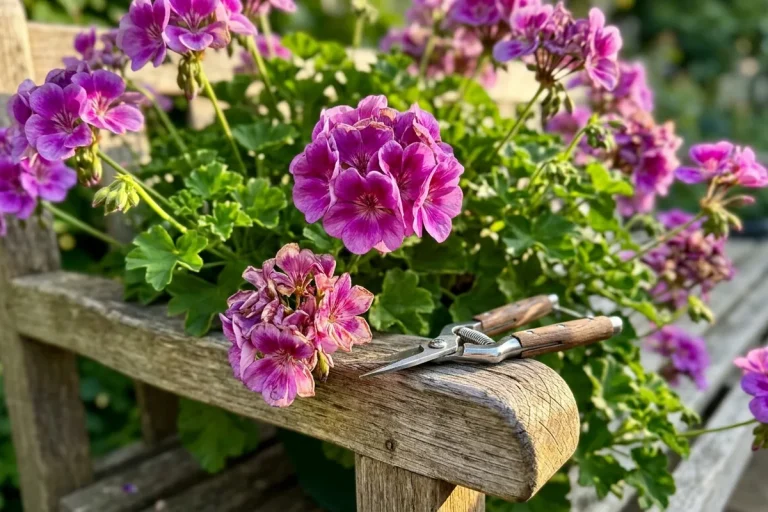
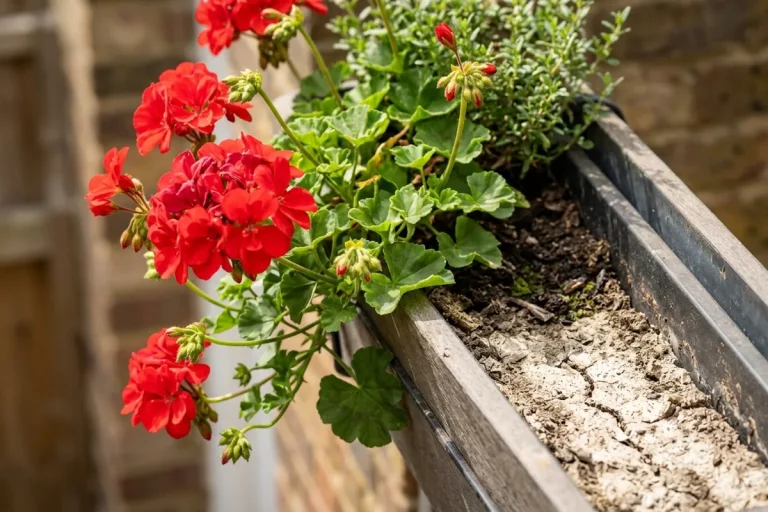
- Hardy geraniums (cranesbills) for soft mounds that flower for ages and smother weeds.
- Heucheras for year-round foliage colour in part shade, especially under a window or by steps.
- Small ornamental grasses (like Stipa tenuissima or Carex) to move in the breeze and fill gaps.
- Climbers such as clematis or climbing rose on a wall or fence, to pull the eye upwards.
Before you water new plants, push a finger into the compost or soil. If it’s cool and damp a few centimetres down, wait. This is the point where many people water again too soon and roots never grow deep.
Easy wins with pots, gravel and light
If you don’t want to dig, you can still transform the feel of the front with a few simple touches.
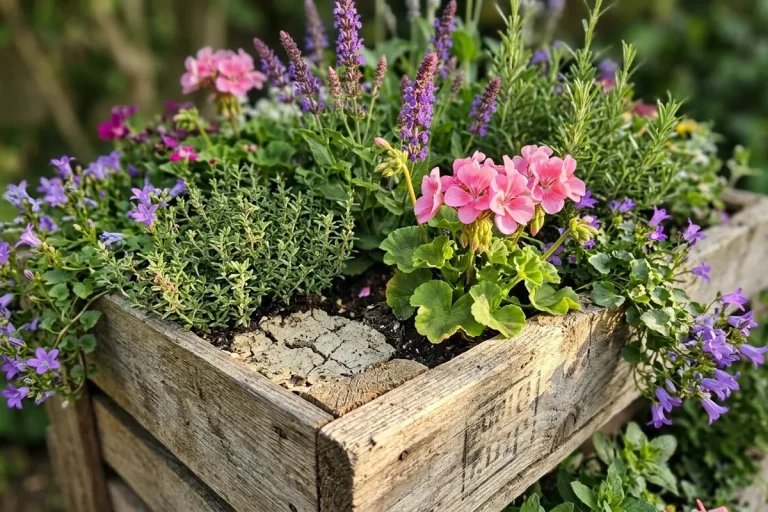
- Group pots, don’t scatter. Three to five containers by the door or at the corner of the drive look intentional. Mix one larger pot with a couple of smaller ones.
- Go big with containers. A larger pot dries out more slowly than a tiny one. Look for something at least the width of a dinner plate for shrubs or small trees.
- Mulch to cut watering. A shallow layer of gravel or bark on top of pots keeps moisture in and finishes the look. If the gravel still looks damp underneath, leave the watering can where it is.
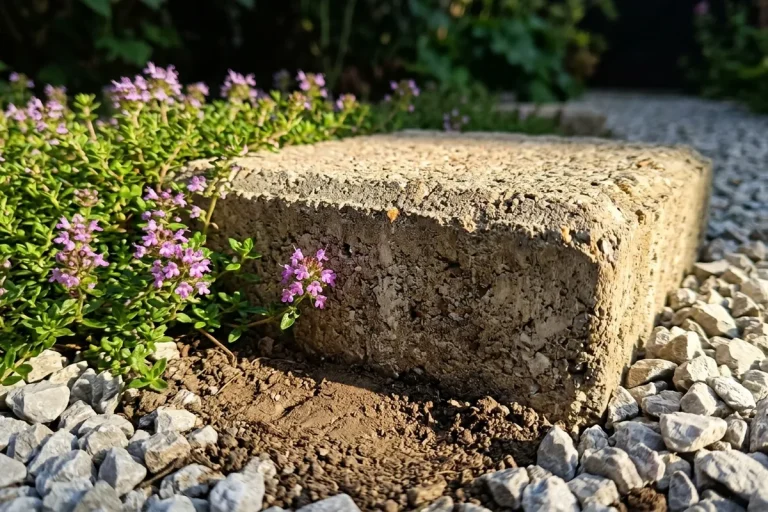
- Use gravel instead of high‑maintenance lawn. A small gravel area with stepping stones and a few planted pockets can be smarter and easier than a struggling patch of grass.
- Think about light. A simple, warm outdoor light by the door or along the path makes planting look better in the evenings and is genuinely useful in winter.
Once you’ve made one change – perhaps a pair of evergreens and a grouped set of pots – live with it for a fortnight before adding more. You’ll see what actually needs attention, rather than creating new jobs for yourself.
A front garden that works hard for you will quietly look neat most of the year, with just the odd sweep, trim and water. Start with one small upgrade, and the rest often falls into place.
Reader note
The Flower Expert is an independent gardening publication. Your support helps us keep creating practical plant care guides for everyday UK readers.
This article was created with the assistance of AI and reviewed by an editor. It is intended as general gardening information, not personalised professional advice.
If you still have a question, or if something looks unclear or inaccurate, you can contact us through our contact form.
If you found this article helpful, please consider sharing it on social media or leaving a comment below with your own experience. It helps other readers too.