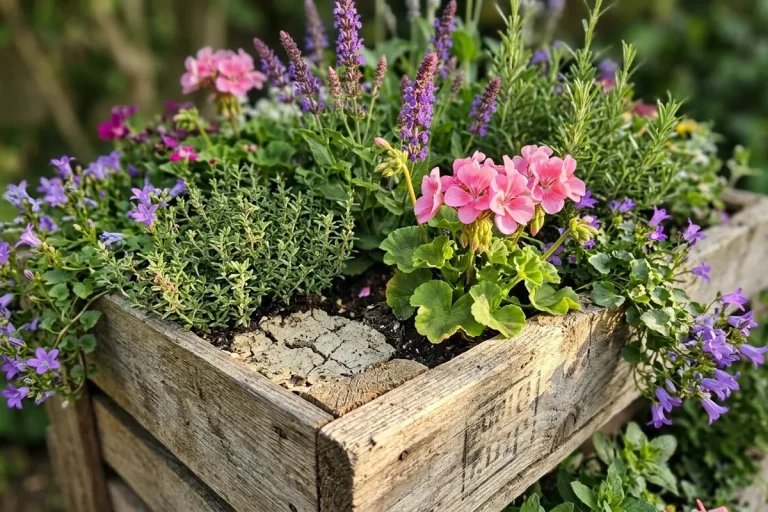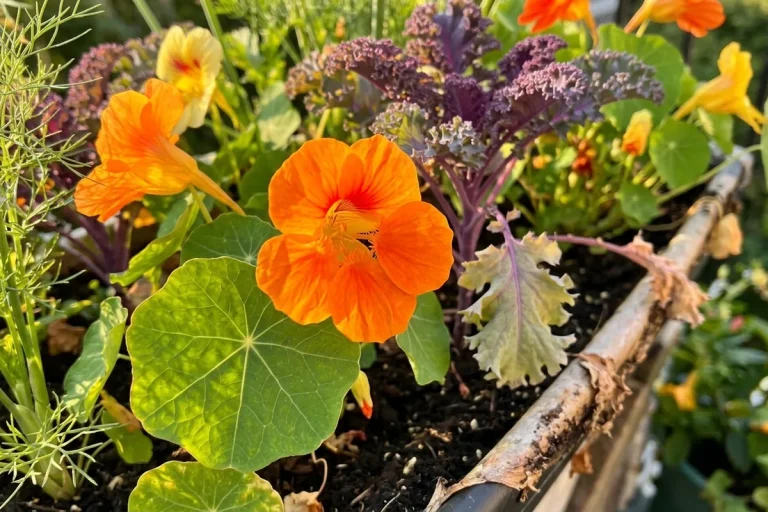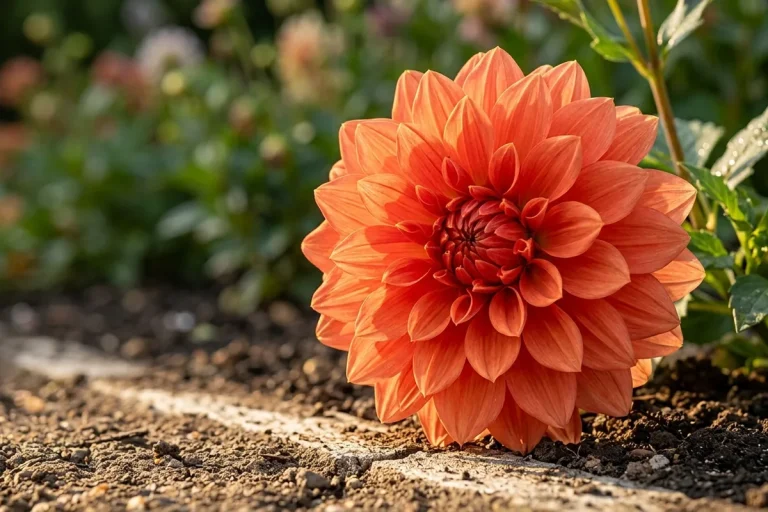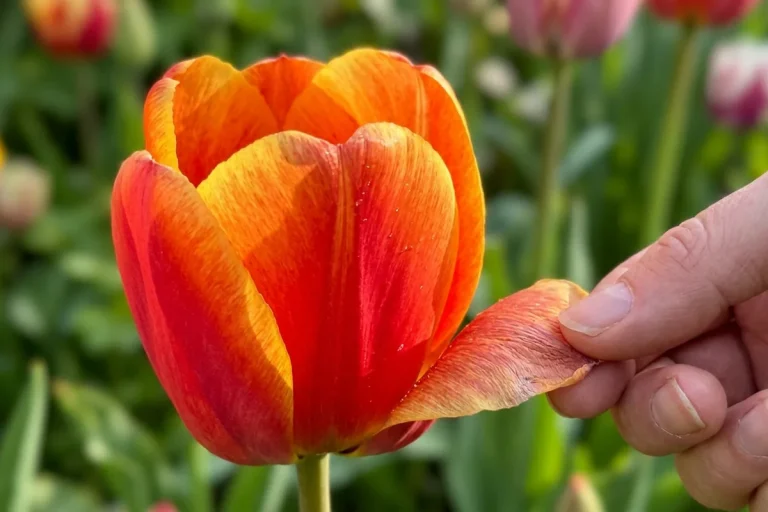

If you love that loose, romantic cottage look but do not want to be out deadheading every evening, you are not alone. Many people are trying to keep borders soft and natural while life gets busier, summers get drier and weekends disappear.
Easy “cottage” plants that quietly get on with it
These plants give that relaxed, billowy feel without demanding constant staking, watering or fiddly deadheading. Think good structure, long flowering, and a bit of self-reliance.
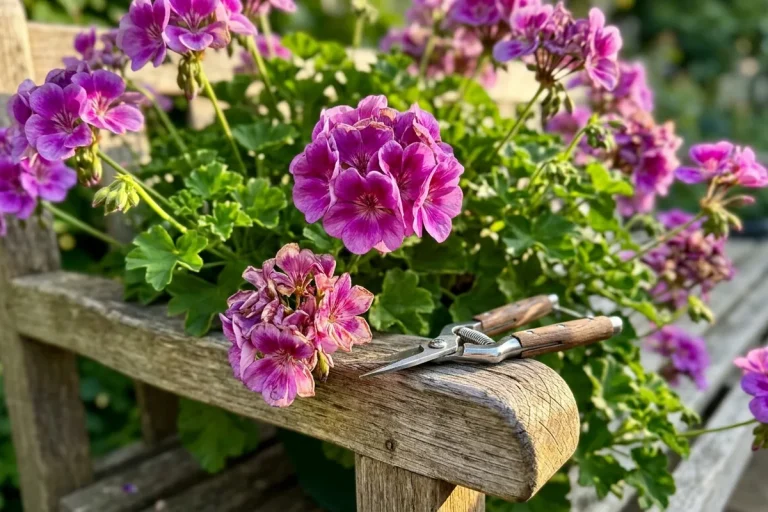
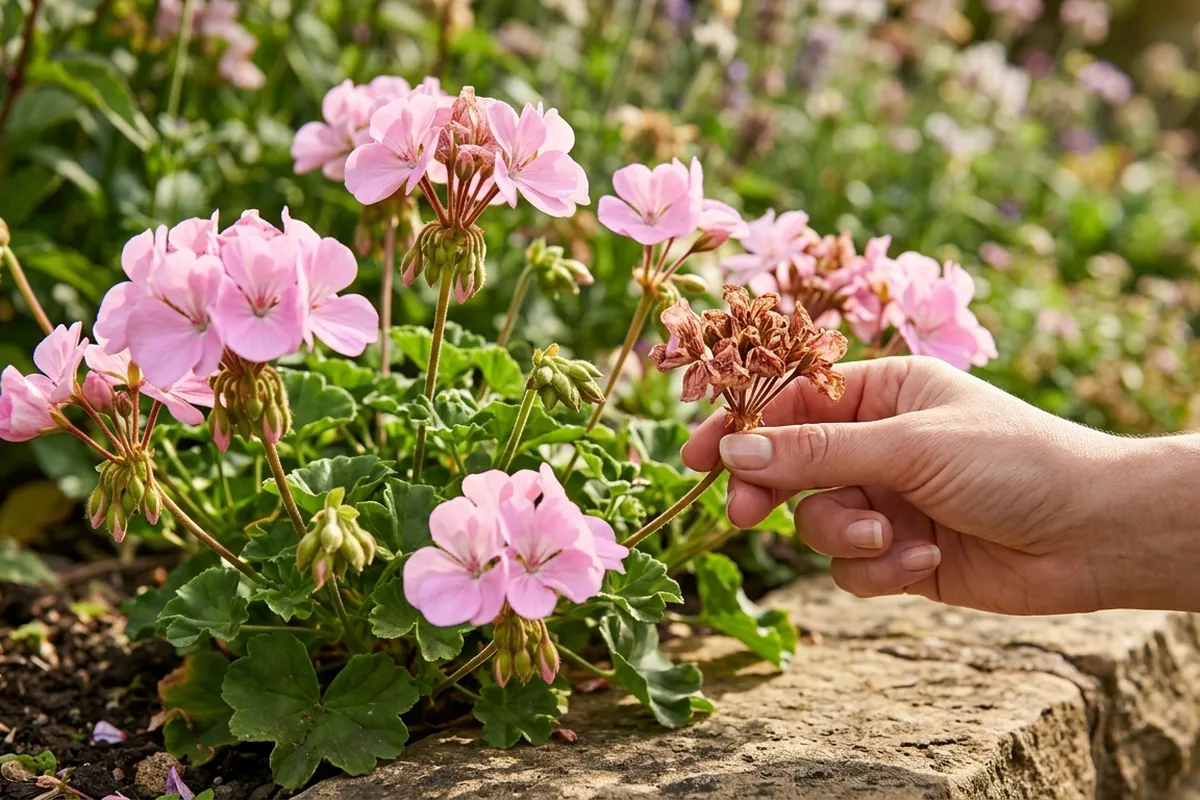
- Hardy geraniums (cranesbills) – Especially ‘Rozanne’, ‘Johnson’s Blue’ and ‘Brookside’. They knit around roses and shrubs, flower for months and cope with a bit of neglect. When they look tired, shear them back and water; fresh leaves follow.
- Nepeta (catmint) – Soft, hazy blue spires that bees adore. ‘Walker’s Low’ and ‘Six Hills Giant’ are reliable. They cope with dry soil and full sun. If the stems flop after rain, simply trim by a third.
- Verbena bonariensis – Tall, airy, purple heads that float through a border. It seeds itself lightly, so it keeps the look going with very little help. If seedlings pop up in the wrong place, just pull or replant them while small.
- Geums – Warm oranges, yellows and soft peach tones. They flower for weeks, especially ‘Totally Tangerine’ and ‘Mai Tai’. A quick deadhead when you walk past is enough.
- Shrub roses – Look for modern, disease-resistant shrub or groundcover roses rather than old high‑maintenance types. They give that cottage feel with far less spraying and pruning fuss.
If your border already has some of these, you are closer to a low‑effort cottage style than you might think.
Plants that handle dry spells and busy weeks
The modern cottage border has to cope with dry patios, hosepipe bans and short watering windows. These plants keep their shape and charm when you miss a watering can round:
- Perovskia (Russian sage) – Silvery stems with lavender-blue flowers, wonderful with roses and grasses. Loves sun and poor, free‑draining soil. Overwatering is more of a risk than drought.
- Lavender (English types like ‘Hidcote’) – Classic cottage, but only low‑maintenance if you give it sun, sharp drainage and a light trim after flowering. In heavy clay, grow it in a pot with gritty compost.
- Achillea (yarrow) – Flat flower heads in soft pastels or stronger reds. Excellent in a dry, sunny border and rarely needs staking. Cut back spent stems once they are messy.
- Hardy salvias – ‘Caradonna’, ‘Amistad’ and many of the microphylla types flower for ages, attract pollinators and cope well with dry-ish soil once established.
- Ornamental grasses such as Stipa tenuissima and smaller Miscanthus – They bring movement and that “natural meadow edge” feeling with almost no work beyond a yearly cut-down in late winter.
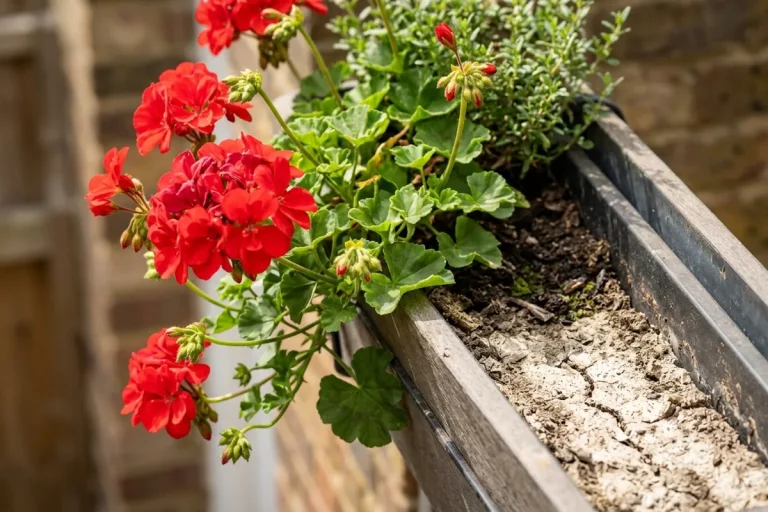
If the compost in your borders is cracking and pale by late afternoon, these are the plants that will forgive you most.
How to plant for a natural look with less effort
You can cut the work dramatically by how you plant, not just what you plant.
- Plant in groups, not singles. Three, five or seven of the same plant give that generous cottage feel and are quicker to weed around than a scatter of one‑offs.
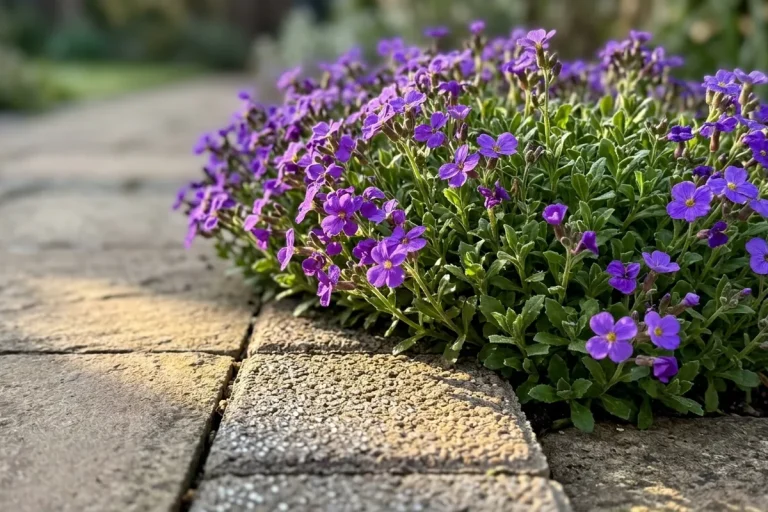
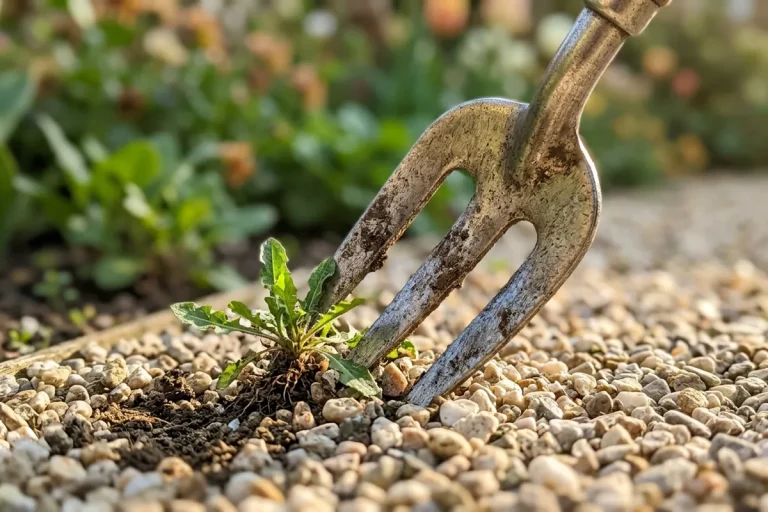
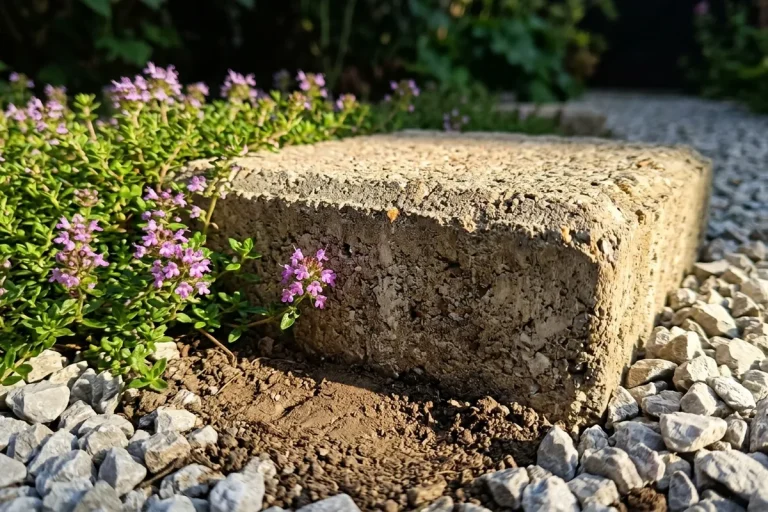
- Fill the ground. Bare soil invites weeds. Use low growers like hardy geraniums, Erigeron karvinskianus (Mexican fleabane) and Alchemilla mollis to carpet gaps so you are not forever hoeing.
- Choose good doers, not divas. When you are in the garden centre, look for plants described as “reliable”, “good for beginners” or “drought tolerant”. If something needs staking, special feed and perfect soil, leave it for now.
- Mulch once a year. A 3–5 cm layer of compost or well‑rotted manure in late winter helps keep moisture in and weeds down. If you poke a finger in and the soil is still damp below the mulch, you can often skip a watering.
- Accept a bit of wildness. A modern cottage garden does not need every stem upright. A few leaning after wind or rain is part of the charm. The point where many people create work is trying to prop up every flower individually.
If the leaves on a plant look worse after every “fix”, stop changing several things at once. Check the basics: too much water, not enough light, or soil that stays soggy. Most of these cottage‑style perennials prefer slightly dry to slightly wet.
A modern cottage garden should feel generous, not exhausting. Start by adding one or two of these reliable plants to the places you walk past most, and let them quietly soften the edges while you do a little less.
Reader note
The Flower Expert is an independent gardening publication. Your support helps us keep creating practical plant care guides for everyday UK readers.
This article was created with the assistance of AI and reviewed by an editor. It is intended as general gardening information, not personalised professional advice.
If you still have a question, or if something looks unclear or inaccurate, you can contact us through our contact form.
If you found this article helpful, please consider sharing it on social media or leaving a comment below with your own experience. It helps other readers too.