
A comfortable outdoor room starts with somewhere you actually want to sit for more than five minutes. If you’ve dragged a chair onto the patio and it still feels a bit hard, exposed or “temporary”, a few garden-led tweaks can turn it into a space you naturally drift to with a cup of tea.
Start with where you’ll sit – then layer plants around it
Think of seating first, plants second. It’s much easier to move a pot than a sofa.
- Choose the spot: Look at where you naturally pause now – a sunny corner by the back door, a bit of shade under a wall, a balcony with evening light. If the chair is squintingly bright at midday or your back is to a cold draught from a gap in the fence, you won’t linger.
- Pick the right furniture: For small spaces, a bistro set or a simple bench against a wall often works better than bulky loungers. On a balcony or tiny patio, folding chairs you can tuck away between rain showers are practical.
- Add softness: Outdoor cushions and a light throw make a huge difference. Choose washable covers – they will get pollen, petals and the odd muddy paw on them.
- Think about the ground: A hard, uneven surface is tiring. An outdoor rug on a balcony, decking or paved area instantly feels more like a room. If your slabs are cold and north-facing, a rug also stops that chilly feeling through your feet.
Once the seat is placed, bring plants in to frame it, not block it. If you have to fight past a pot every time you sit down, it will quickly annoy you.
Use plants to create shelter, scent and a softer view
Plants are what stop an outdoor room feeling like spare furniture in a car park.
For a comfortable, green “enclosure”, focus on three things: height, scent and softness.
- Height: Tall pots with bamboos, grasses or slim shrubs give a sense of privacy without eating floor space. On a windy balcony, choose sturdy containers and weight them with gravel at the base so a sudden gust doesn’t tip them over.
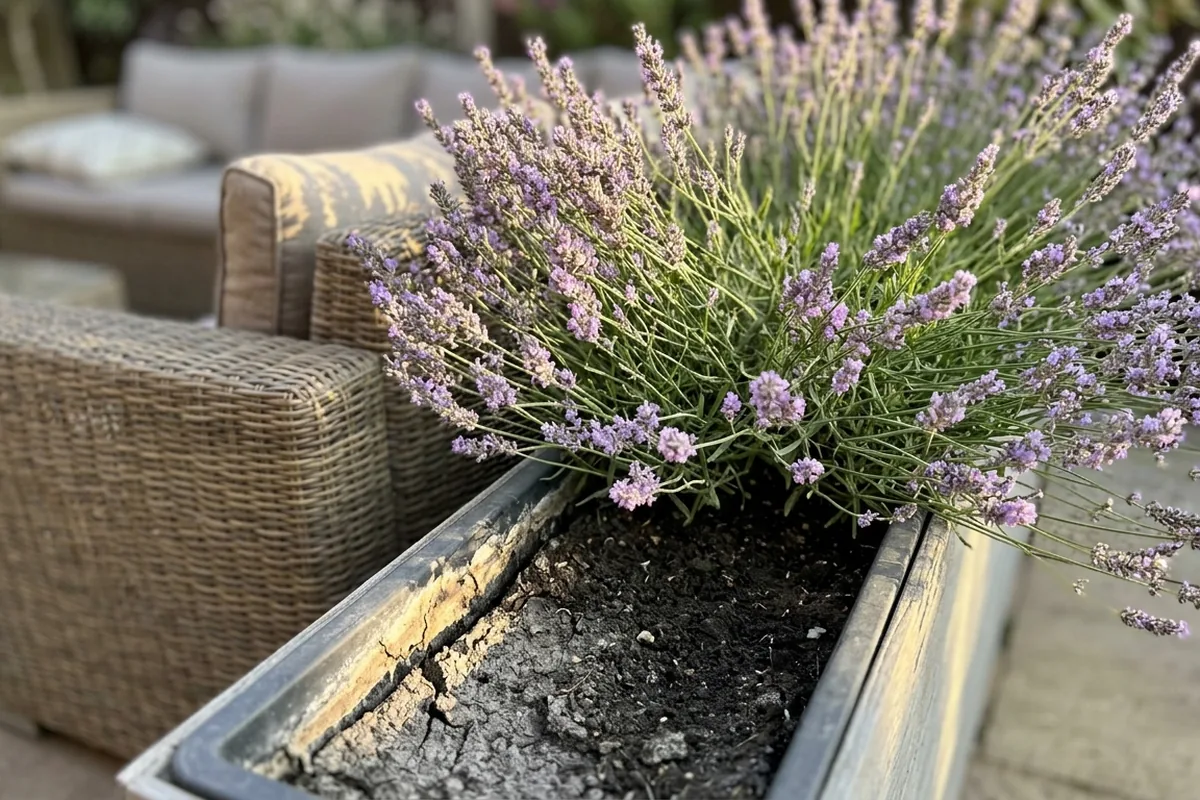
- Scent: A pot of lavender by an armrest, a trug of basil near the table, or a climbing jasmine by the back of a bench can make a small space feel indulgent. If this is happening on your seating area, notice how often you lean in to brush the foliage as you pass.
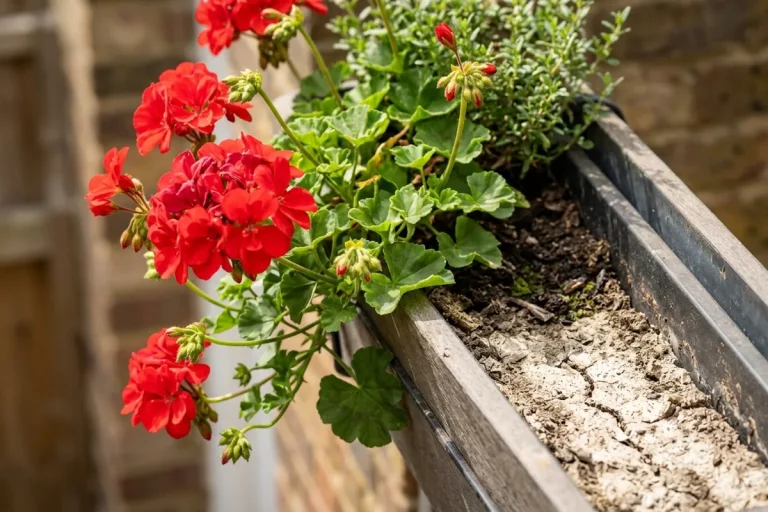
- Softness: Trailing plants (bacopa, trailing lobelia, ivy) spilling from window boxes or rail planters break up hard edges. This is the point where many people overfill; leave a little breathing space so cushions don’t touch damp foliage every time you sit.
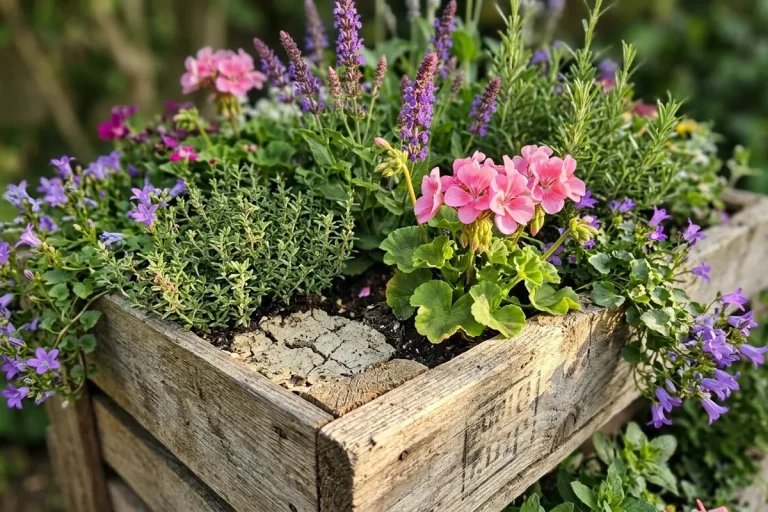
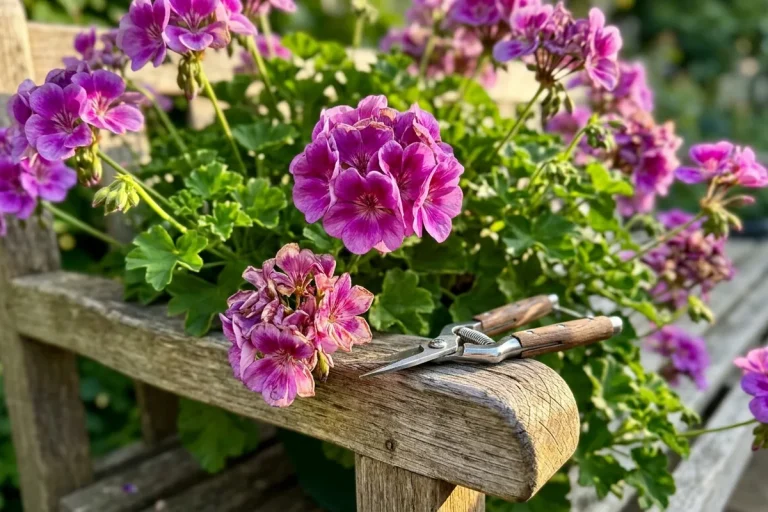
If your windowsill or patio is bright but cold, use that to your advantage: herbs, pelargoniums and sun-loving annuals often thrive there, giving you colour and scent right at hand.
Make it usable in real UK weather
Comfort outdoors in Britain is as much about shelter and practicality as it is about looks.
Add simple, weather-aware touches:
- Shade and cover: A small parasol, sail shade or a retractable awning over a south-facing seating area keeps it usable in hot spells and protects cushions from sudden showers.
- Evening warmth: A throw stored in a weatherproof box, a few lanterns or solar lights, and perhaps a small fire bowl or electric heater (used safely and as per instructions) make autumn evenings more inviting.
- Plant choices for UK conditions: On exposed, windy sites, choose tough plants – hardy grasses, rosemary, hebes – rather than tall, brittle stems that snap after a night of rain and gusts. In a sheltered courtyard, you can get away with more tender choices in pots, as long as you move them in before the first frost.
- Low-fuss maintenance: Group containers so watering is easier. A patio pot in full sun will dry out far faster than a border; if you lift the pot and it still feels heavy, wait before you water again. Use good-quality peat-free compost and add a slow-release fertiliser, checking the label for how long it lasts.
A comfortable outdoor room doesn’t have to be grand. Start with one well-placed chair, one or two pots at the right height, and a bit of shelter from sun or wind. Once you actually enjoy sitting there, you can slowly add more plants and details, rather than buying everything at once and finding half of it doesn’t suit your space.
Reader note
The Flower Expert is an independent gardening publication. Your support helps us keep creating practical plant care guides for everyday UK readers.
This article was created with the assistance of AI and reviewed by an editor. It is intended as general gardening information, not personalised professional advice.
If you still have a question, or if something looks unclear or inaccurate, you can contact us through our contact form.
If you found this article helpful, please consider sharing it on social media or leaving a comment below with your own experience. It helps other readers too.