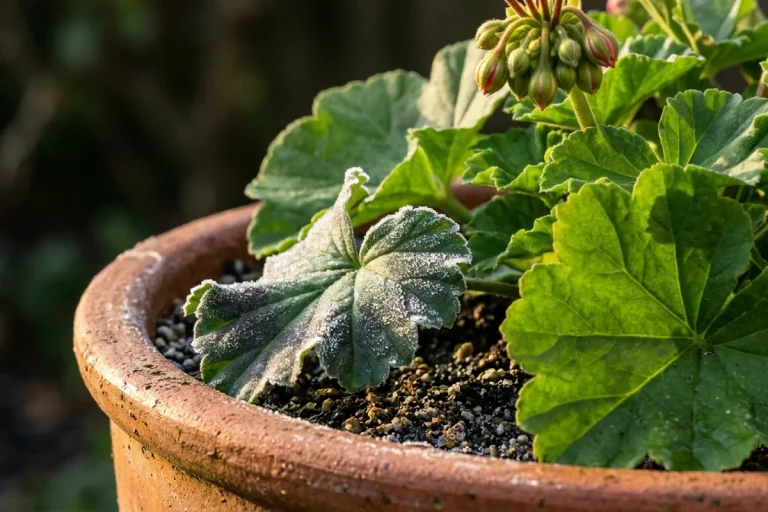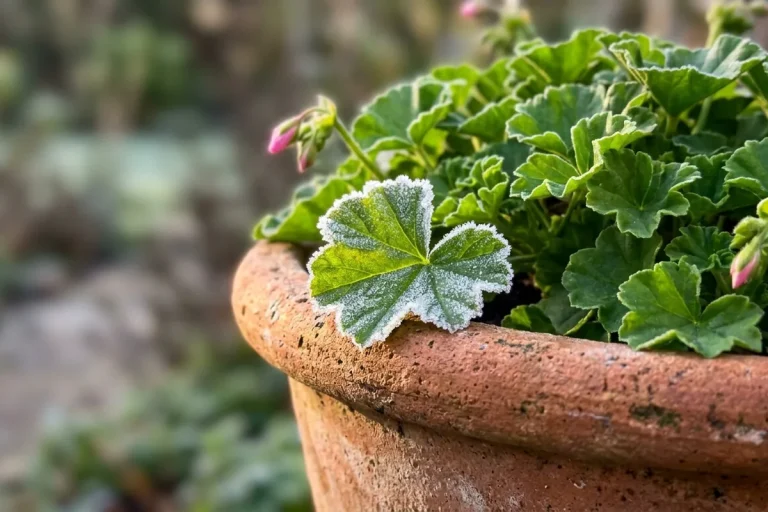


A warm May afternoon can tempt you to plant everything out – then a cold snap is suddenly forecast and those soft new leaves are at risk. If you have trays of bedding, tomatoes just planted in a growbag, or young perennials settling into a border, a sharp drop in temperature can scorch growth overnight.
Quick protection steps when a cold snap is forecast
Act the same day you see a cold night in the forecast. Young plants don’t have much in reserve, so even one harsh night can set them back.
- Move what you can. Seedlings and small pots on a patio, balcony or near the back door can usually be lifted into a porch, hallway, garage or unheated spare room. Even a few degrees warmer makes a difference.
- Cover what must stay put. For plants already in the ground or in large containers, use fleece, old cotton sheets or newspaper under an upturned crate. The aim is to trap a layer of slightly warmer air around the plant, not to squash it.
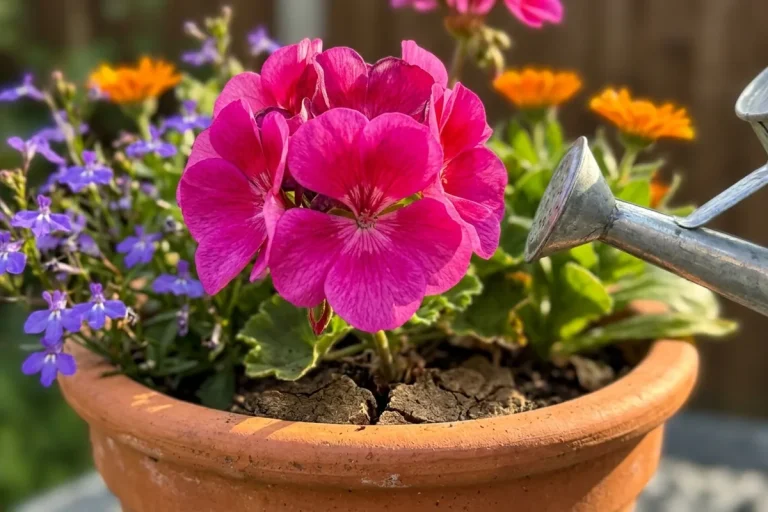
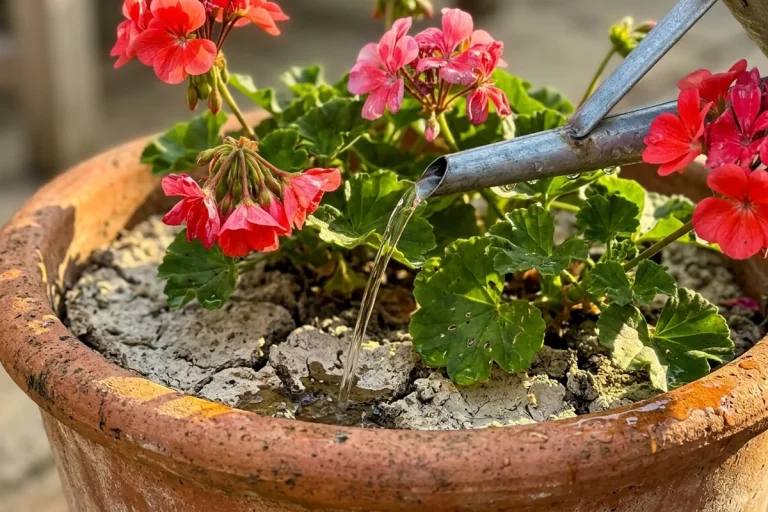
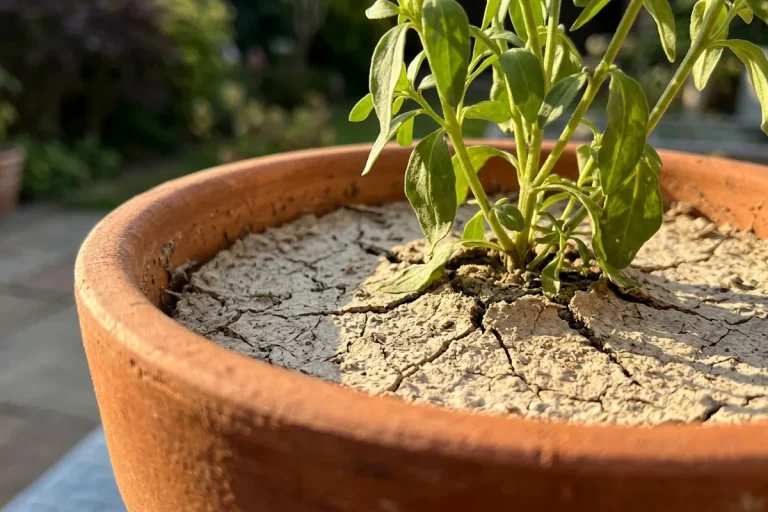
- Water earlier in the day, not at night. Slightly moist (not sodden) soil holds heat better than bone-dry compost. Water in the morning so the surface can dry a little before the temperature drops.
- Secure the covers. A cold May night is often windy. Peg fleece to canes or weigh down the edges with bricks. If the cover flaps, cold air whips straight in.
- Remove covers in the morning. As soon as the frost has lifted, uncover so the plants don’t overheat or sit in damp, still air. If you lift the fleece and it feels steamy underneath, air them.
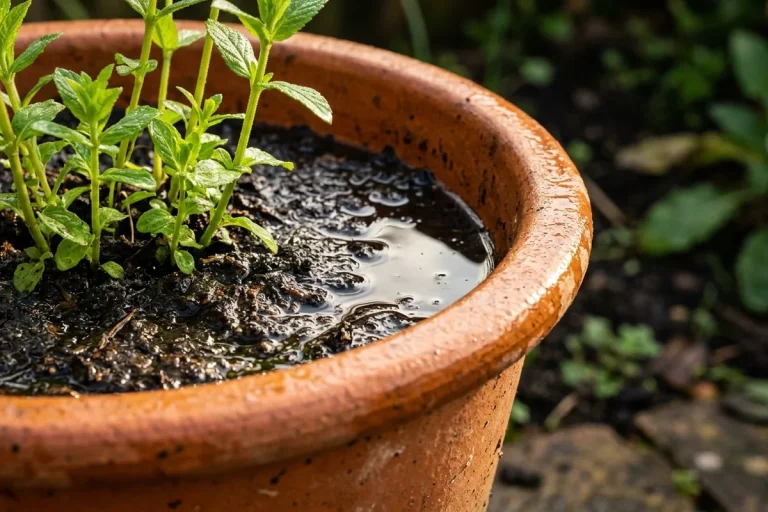
This is the point where many people water again “to help” – but cold, wet compost can chill roots further. Check before you reach for the can.
Extra care for different young plants
Tender vegetables and bedding (tomatoes, French beans, courgettes, petunias, busy Lizzies) are the most vulnerable. Keep them in a greenhouse, cold frame or bright windowsill until nights are reliably above about 7–8°C.
If they are already outside:
- Push a few short canes around each plant and drape fleece over like a tent.
- For growbags, slide a clear plastic storage box or cloche over at night, lifting it during the day.
Young perennials and shrubs (such as penstemon, hydrangea cuttings or new roses) usually cope better but can have soft tips nipped by frost. Protect the crown with fleece on colder nights; a light scorch on the top leaves often looks worse than it is and will grow out.
Seedlings in trays outside: slide them under a bench, against a sheltered wall, or into a cold frame with the lid closed overnight and slightly propped open by day.
When to harden off and when to wait
Hardening off is simply helping plants adjust gradually. A sudden move from a warm windowsill to a chilly border is often what leaves them sulking.
- Start with a few hours outside during the day in a sheltered, bright but not windy spot.
- Bring them in at night for a week, longer if nights stay cold.
- Extend the time outside until they’re out all day and only coming in for the coldest nights.
If a late cold snap is coming, pause hardening off. Keep plants where they are for a few days rather than pushing on. If the leaves look worse after every ‘fix’, stop changing several things at once – stabilise light, watering and temperature as best you can, then let the plants recover.
A quick check now of the forecast, a roll of fleece ready by the back door, and a plan for where pots can be tucked overnight will save you a lot of set-back growth. Protect first, water thoughtfully, and your young plants should slide through May’s mood swings with minimal sulking.
Reader note
The Flower Expert is an independent gardening publication. Your support helps us keep creating practical plant care guides for everyday UK readers.
This article was created with the assistance of AI and reviewed by an editor. It is intended as general gardening information, not personalised professional advice.
If you still have a question, or if something looks unclear or inaccurate, you can contact us through our contact form.
If you found this article helpful, please consider sharing it on social media or leaving a comment below with your own experience. It helps other readers too.