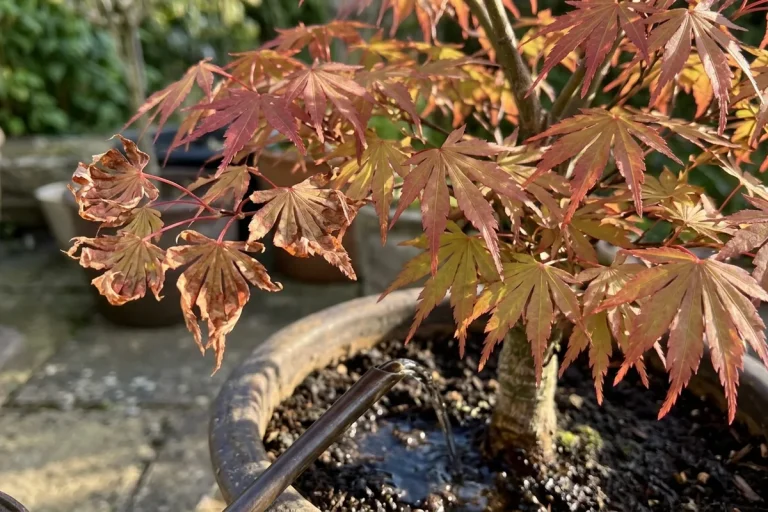

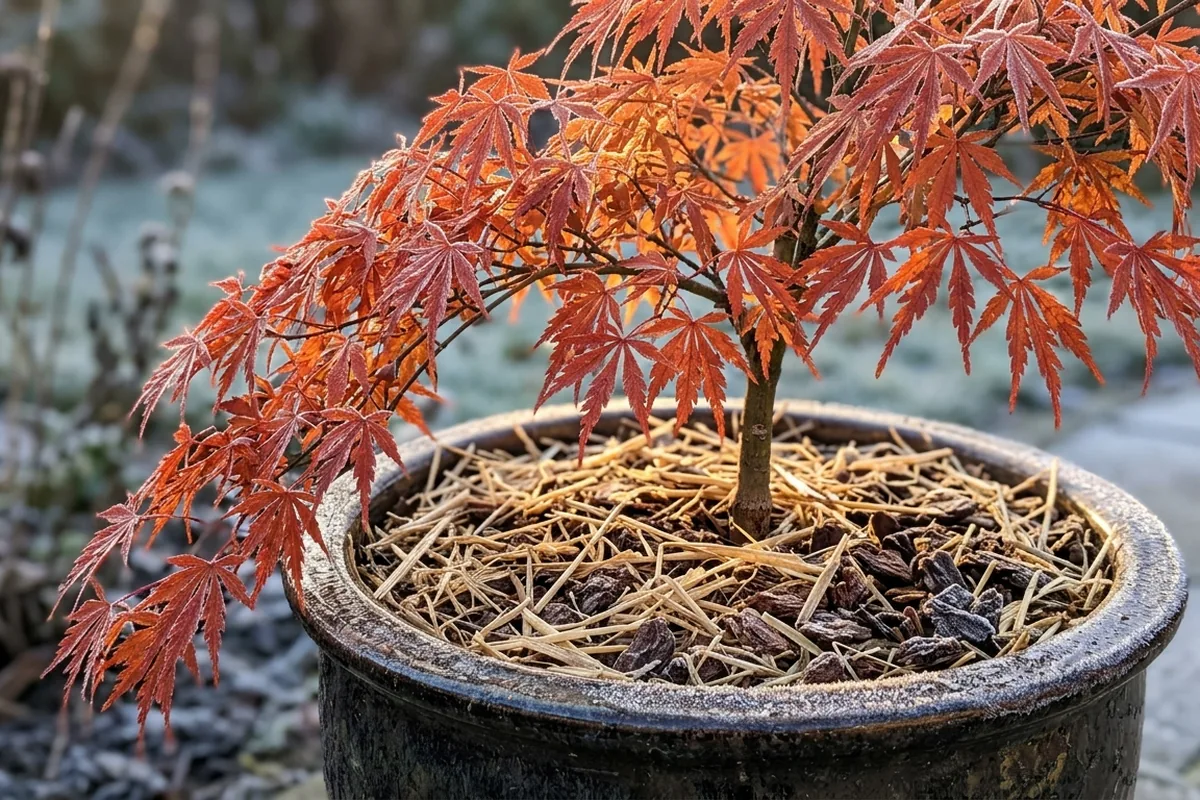
Before the first proper frost, container-grown Japanese maples need a bit of quiet organising so they go into winter unstressed rather than shocked. If your Acer palmatum is in a pot on a patio, with some leaves crisping at the edges and the compost looking dry on top but still cool and damp underneath, this is exactly the moment to act.
The key checks before cold weather arrives
Start with position. Acers in pots dislike icy winds far more than low temperatures. Move the container to a sheltered, bright spot: against a house wall, inside a balcony nook, or tucked where fences or shrubs break the wind. North or east-facing is fine; avoid strong afternoon sun on frosty days, which can scorch bark and buds.
Next, check the pot itself. A winter-safe container should have:
- Good drainage holes that are not blocked with roots or silt
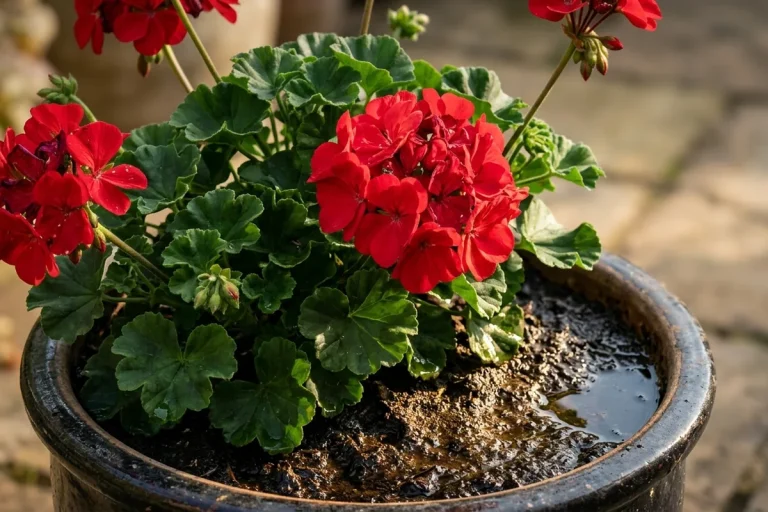
- A saucer that can be removed or tipped so water doesn’t sit under the pot
- A size that leaves at least 2–3 cm of compost above the roots, not a root ball sitting right at the surface
If the pot feels surprisingly light, water before a cold spell so the rootball is evenly moist, not bone dry. If you lift the pot and it still feels heavy, wait; cold and waterlogged is worse than slightly dry for a few days.
Watering, feeding and protecting the roots
By late autumn, stop feeding. New, soft growth encouraged now is easily damaged by frost. If you’ve been using a liquid feed, put it away until spring.
Watering in late autumn and winter is about avoiding extremes:
- Water less often, but thoroughly when needed
- Let the top few centimetres dry before watering again
- Always empty any saucer after 15–20 minutes
On cold, wet weeks you may barely need to water at all. This is the point where many people water again too soon, especially when the surface looks dry. A quick finger check 3–4 cm down tells you more than the top layer.
To protect roots in containers:
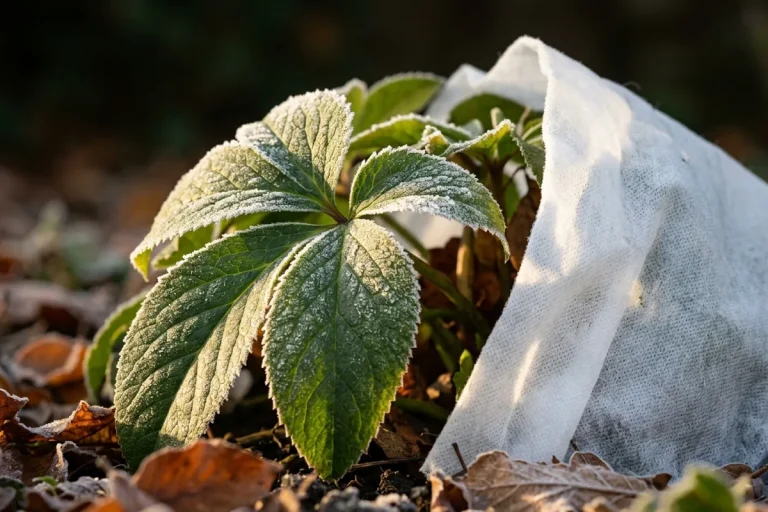
- Wrap the pot (not the branches) with hessian, bubble wrap or fleece, secured loosely with string
- Stand pots on feet, bricks or bits of broken tile so they drain freely and don’t sit in freezing puddles
- In very cold areas, group pots together for shared shelter and warmth
Light pruning, leaves and late autumn tidy-up
You do not need heavy pruning before winter. Acer palmatum is best pruned lightly in late winter or early spring, once the worst cold has passed.
Before winter:
- Remove only dead, damaged or crossing twigs
- Snip cleanly back to a healthy bud, using sharp, clean secateurs
- Avoid cutting thick branches now; it can bleed sap later
If fallen leaves are sitting wet against the base of the stems or piled around the pot rim, gently clear them. A thin scattering over the compost is fine; a soggy mat can encourage mould and slugs.
Check the compost level. If roots are showing on the surface, add a thin top-up of peat-free compost or leaf mould, no more than a couple of centimetres. Do not bury the stem base.
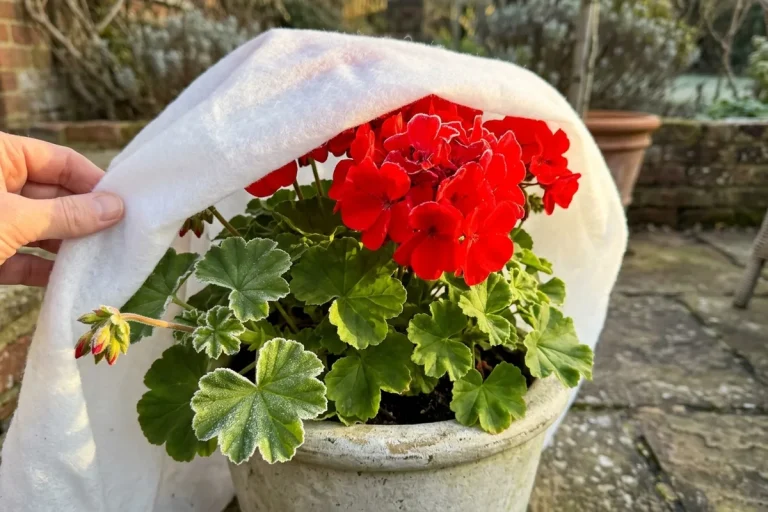
On very exposed balconies or high patios, consider a temporary fleece cover for the coldest nights, especially for young trees in their first two or three winters. Remove it in the day so the plant still gets light and air.
A small, calm check now – position, drainage, moisture and a bit of root protection – is usually all an Acer palmatum in a container needs. Choose one thing to do today, even if it’s just raising the pot on feet, and your tree will be far better prepared for the first hard frost.
Reader note
The Flower Expert is an independent gardening publication. Your support helps us keep creating practical plant care guides for everyday UK readers.
This article was created with the assistance of AI and reviewed by an editor. It is intended as general gardening information, not personalised professional advice.
If you still have a question, or if something looks unclear or inaccurate, you can contact us through our contact form.
If you found this article helpful, please consider sharing it on social media or leaving a comment below with your own experience. It helps other readers too.