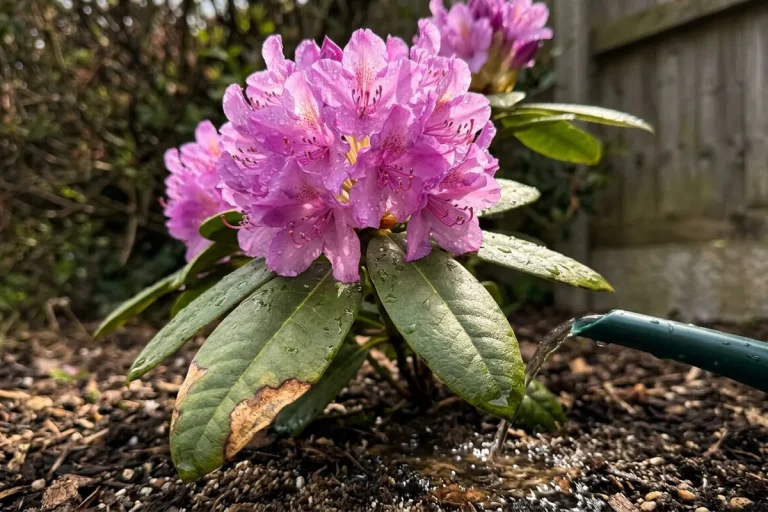

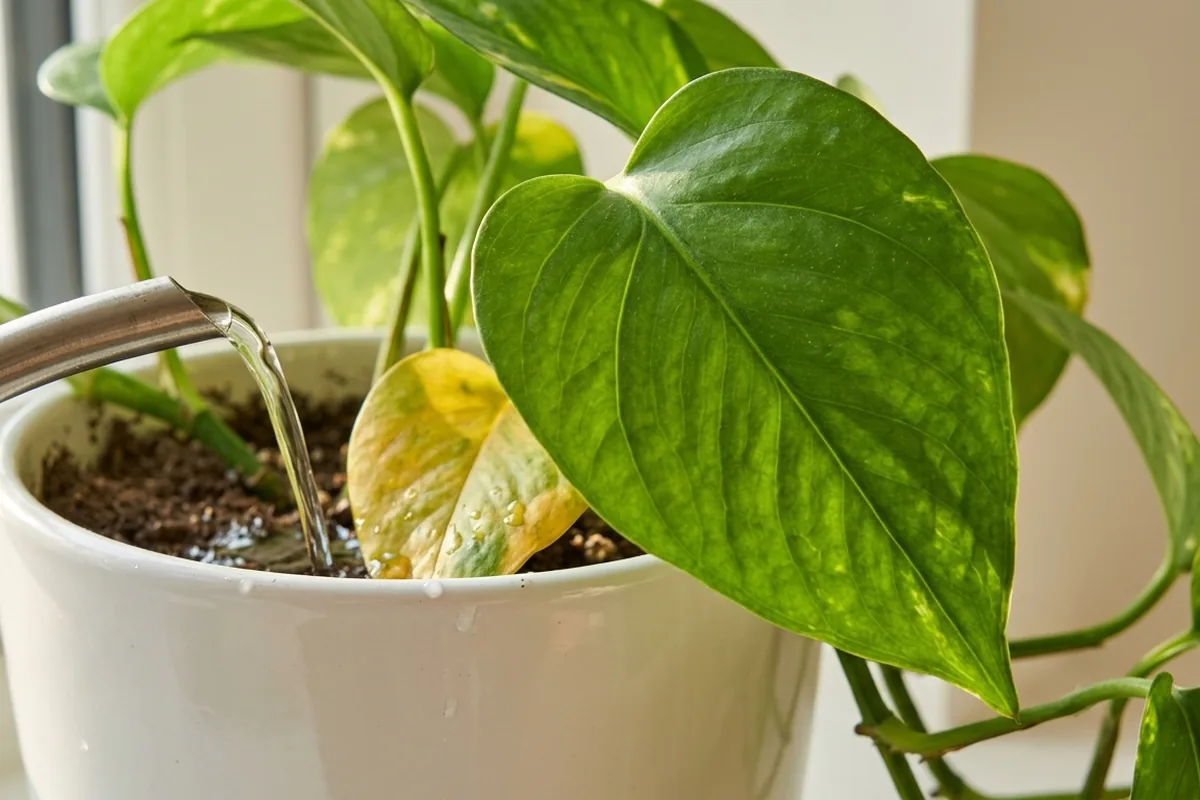
Healthy indoor money plants (usually Jade plants, Crassula ovata) grow slowly but steadily, with plump glossy leaves and firm, upright stems. If yours has drooping branches, yellowing leaves or compost that always seems damp, a few small changes indoors usually make a big difference.
The essentials for a thriving indoor money plant
Money plants like bright, indirect light, free-draining compost and thorough but infrequent watering.
Aim for this simple rhythm:
- Light: A bright windowsill is ideal, but avoid harsh midday sun behind glass, which can scorch leaves. An east- or west-facing UK window usually suits them well. If the plant is stretching towards the light with long bare stems, it wants a brighter spot.
- Watering: Let the top 3–4 cm of compost dry before you water again. A quick finger check tells you more than the surface of the compost. When you do water, water until it just runs out of the drainage holes, then empty the saucer. If you lift the pot and it still feels heavy, wait.
- Compost and pot: Use a succulent or cactus compost, or mix general houseplant compost with grit or perlite for extra drainage. Choose a pot with drainage holes; money plants dislike sitting in a decorative pot with no way for water to escape.
- Temperature: Normal indoor temperatures are fine. Avoid cold draughts from leaky windows and hot blasts from a radiator directly underneath a sill.
If the top looks dry but the compost is still dark and cool lower down, this is the point where many people water again too soon.
Watering, feeding and pruning without fuss
Overwatering is the main reason money plants struggle indoors. Soft, yellowing leaves and stems that collapse often point to roots sitting in wet compost.
For steady growth:
- In spring and summer, water when the compost has dried out to a finger’s depth. In autumn and winter, cut right back – often once every few weeks is enough in low light.
- Feed lightly with a balanced houseplant or cactus feed at half strength once a month in spring and summer. Always follow the product label.
- If leaves are dusty, gently wipe them with a barely damp cloth so they can photosynthesise properly.
Pruning is straightforward. Use clean scissors or snips to shorten leggy stems just above a pair of leaves. This encourages the plant to branch and stay compact. Any firm, healthy stem pieces can be rooted in gritty compost to make new plants.
When your money plant looks unhappy
The useful clue is not one leaf, but the pattern across the plant:
- Wrinkled, thin leaves: usually under-watering. Check if the compost has pulled away from the sides of the pot and feels bone dry. Water thoroughly, let excess drain, then wait again until dry at depth.
- Yellow, soft leaves and blackened stems at the base: likely overwatering. Check for a saucer still holding water the next morning. Remove any mushy roots, repot into fresh, drier, gritty compost and water less often.
- Leaves dropping after a move: money plants often sulk after being shifted from a bright to a dim corner. Move it back to better light and adjust watering.
- White crust on compost surface: often a build-up of salts from feed or hard tap water. Gently scrape off the top layer and replace with fresh compost; water more deeply but less often.
If this is happening on your plant, make one change at a time – usually light and watering – and watch for two to three weeks. If the leaves look worse after every “fix”, stop changing several things at once.
A money plant does not need fussy care; it needs consistency. Check the compost before you water, keep it in good light, and tidy it once or twice a year. Start with one simple check today – feel the compost a few centimetres down – and adjust your watering from there.
Reader note
The Flower Expert is an independent gardening publication. Your support helps us keep creating practical plant care guides for everyday UK readers.
This article was created with the assistance of AI and reviewed by an editor. It is intended as general gardening information, not personalised professional advice.
If you still have a question, or if something looks unclear or inaccurate, you can contact us through our contact form.
If you found this article helpful, please consider sharing it on social media or leaving a comment below with your own experience. It helps other readers too.