
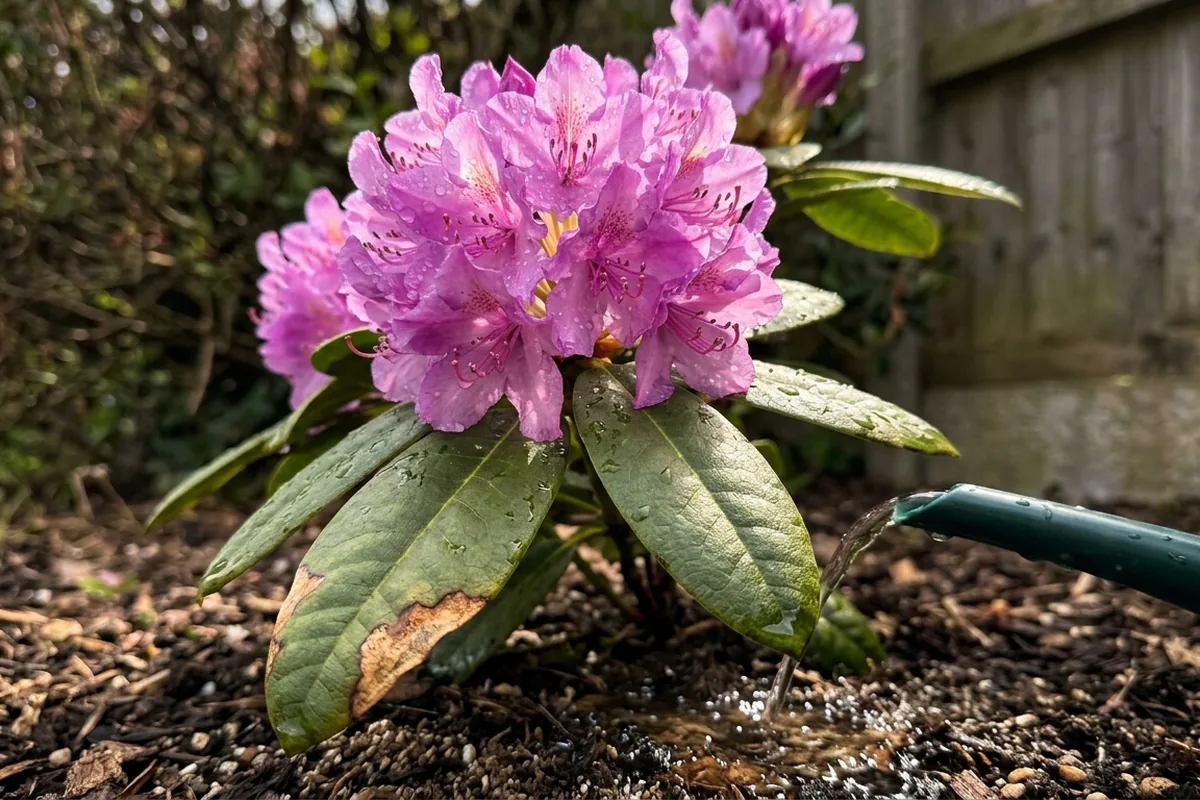
Rhododendrons cope surprisingly well with our changeable skies, but they do have clear likes and dislikes. If yours has yellowing leaves, brown edges after wind, or buds that never quite open, it is usually reacting to soil or water, not the rain itself.
The key to a healthy rhododendron in the UK
The single most important thing is acid, free‑draining, moisture‑retentive soil. In much of the UK, garden soil is too alkaline or too heavy.
- Check the soil first: on a dry day, scrape back a little earth. If it is pale, chalky, or you have trouble growing heathers, camellias or blueberries, you almost certainly need ericaceous compost.
- In the ground: improve the planting area with plenty of ericaceous compost and leaf mould, and plant slightly high so the root ball sits just above the surrounding soil. This stops it sitting in a cold sump after heavy rain.
- In pots: use a generous container with drainage holes and fill with ericaceous compost only. If you lift the pot and it still feels heavy the day after rain, the drainage needs attention.
Aim for even moisture: not bone dry between downpours, not waterlogged after a wet week. A quick finger check 3–4 cm down tells you more than the surface.
Coping with rain, wind, frost and drought
British weather swings are often harder on rhododendrons than the average winter low.
- Heavy rain: ensure pots are raised on feet and empty saucers the same day; roots sitting in water are prone to rot. In borders, avoid planting in obvious dips where water collects.
- Cold winds: evergreen leaves can scorch and curl. A simple windbreak – a fence, hedge or even temporary netting – makes a big difference on exposed sites, especially in the east.
- Frost on new buds: late frosts can brown flower buds. If a cold night is forecast in spring, throw a fleece over smaller plants before dusk.
- Dry summer spells: the plant may wilt even when the soil feels slightly damp. Water deeply at the base once or twice a week, then wait; light, frequent sprinkling encourages shallow roots.
Mulch every spring with leaf mould, pine needles or bark to keep roots cool, conserve moisture and gently maintain acidity. Keep mulch a few centimetres away from the main stem to avoid rot.
Feeding, pruning and common worries
Use a slow‑release ericaceous feed in early spring, following the packet instructions. Over‑feeding, especially with general fertiliser, can worsen yellow leaves rather than cure them.
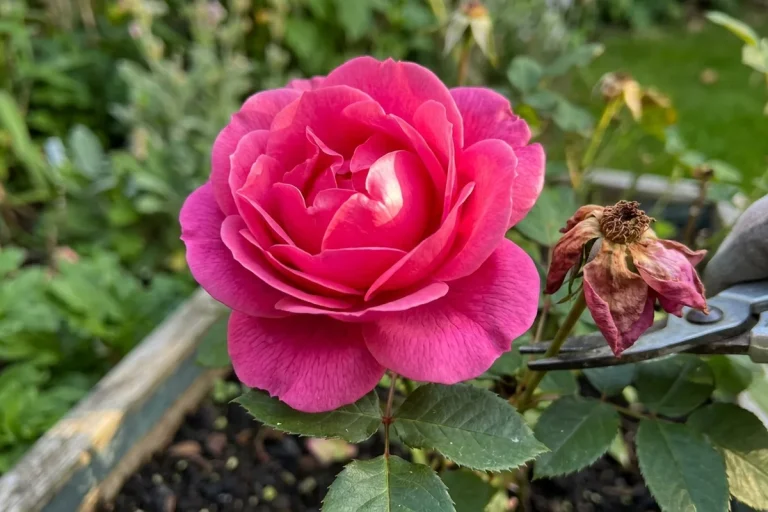
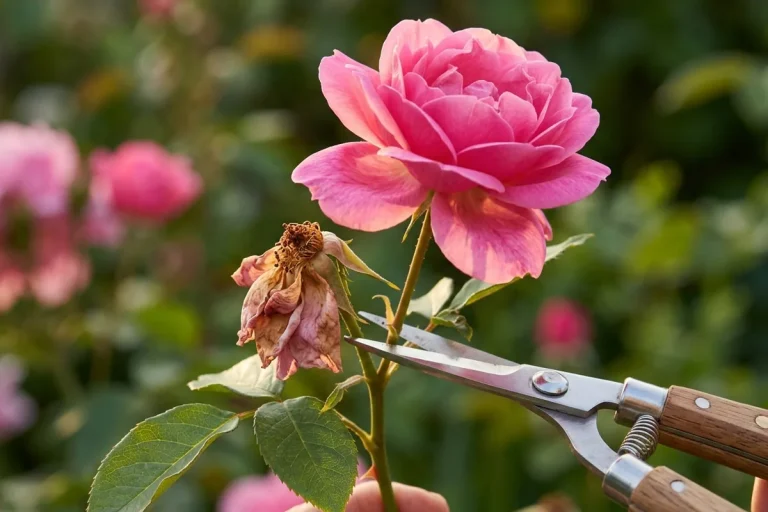
Deadhead spent flower trusses by snapping them off cleanly above the new shoots. This keeps the plant tidy and helps it put energy into next year’s buds. Avoid hard pruning unless a shrub is very overgrown; if you must cut back, do it just after flowering so the plant has time to form new buds before winter.
If leaves are yellow with green veins, the soil is probably too alkaline or the plant is too deep and struggling for air around the roots. Before you reach for more feed, check planting depth and soil. This is the point where many people feed again instead of improving the compost.
A healthy rhododendron should hold its leaves firmly, with a good green colour and buds that feel plump, not papery. If this is not what you are seeing, start with the basics: soil, drainage, wind, then feed.
A small check now – a handful of mulch, a raised pot, a sheltered spot – usually keeps rhododendrons content through most British weather, from damp springs to sudden heat. Pick one thing to adjust, then watch how the plant responds over a few weeks.
Reader note
The Flower Expert is an independent gardening publication. Your support helps us keep creating practical plant care guides for everyday UK readers.
This article was created with the assistance of AI and reviewed by an editor. It is intended as general gardening information, not personalised professional advice.
If you still have a question, or if something looks unclear or inaccurate, you can contact us through our contact form.
If you found this article helpful, please consider sharing it on social media or leaving a comment below with your own experience. It helps other readers too.