
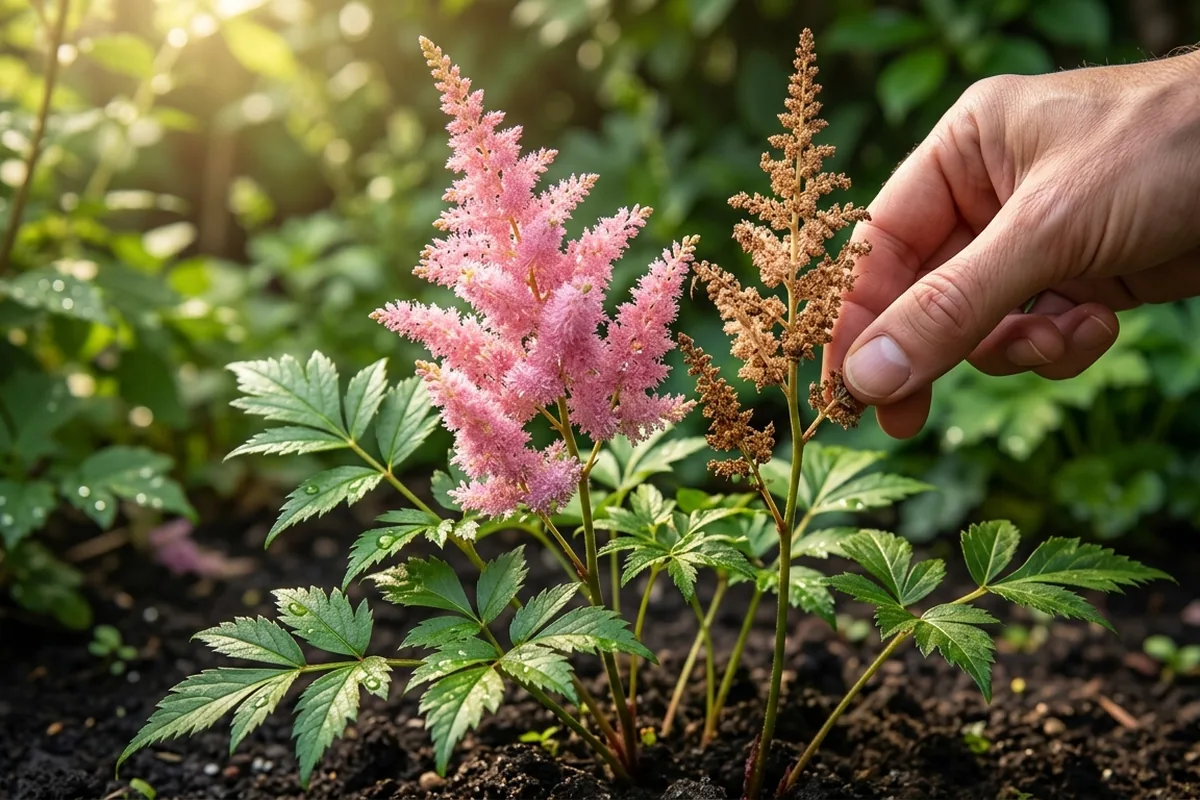
Astilbe will flower best when its roots are cool and evenly moist, not waterlogged and not drying out between showers. If yours are all leaf and hardly any flower, or the plumes are short and dull rather than feathery and full, a few quiet adjustments usually make the difference.
If the foliage looks healthy but the flower spikes are sparse, think about three things: moisture, food and light. In damp shade, they have the moisture, but often not quite enough light or nutrients.
The key conditions for brighter plumes
Astilbe are woodland perennials, happiest in dappled shade rather than deep gloom. They’ll sulk in a dark north corner.
Aim for:
- Light: morning or late afternoon sun, or bright, open shade. Under a light-canopy tree or the north-east side of a fence is ideal. If you can read comfortably outside without squinting, that’s about right.
- Soil: reliably damp but well drained. If water still sits on the surface an hour after rain, improve drainage with organic matter.
- Moisture: the soil 5–8 cm down should feel cool and slightly damp most of the time. If it’s cracking dry at that depth, flowering will suffer.
In borders, work in plenty of garden compost or well-rotted manure in a wide circle around the clump each spring. This both feeds the plant and helps the soil hold moisture. In very free-draining or sandy soil, a generous mulch is often the difference between crispy foliage and full plumes.
If your plant is in a pot, choose a deep container with drainage holes and a peat‑free compost enriched with slow-release feed. A patio pot in shade can still dry quickly in a breeze; if you lift the pot and it still feels heavy, wait before watering again.
Watering, feeding and deadheading for more flowers
In damp shade you rarely need to drench Astilbe, but they do resent swings from soggy to parched.
- Water deeply in dry spells, especially in May and June when flower spikes are forming. A slow soak once or twice a week in a dry period is better than a daily sprinkle.
- Mulch each spring with 5 cm of compost, leaf mould or well-rotted manure, keeping it just clear of the crowns. This locks in moisture and provides a gentle feed.
- If growth is thin or leaves are pale, use a balanced granular fertiliser in early spring, following the packet instructions. Avoid overfeeding later in summer, which can push leaves rather than flowers.
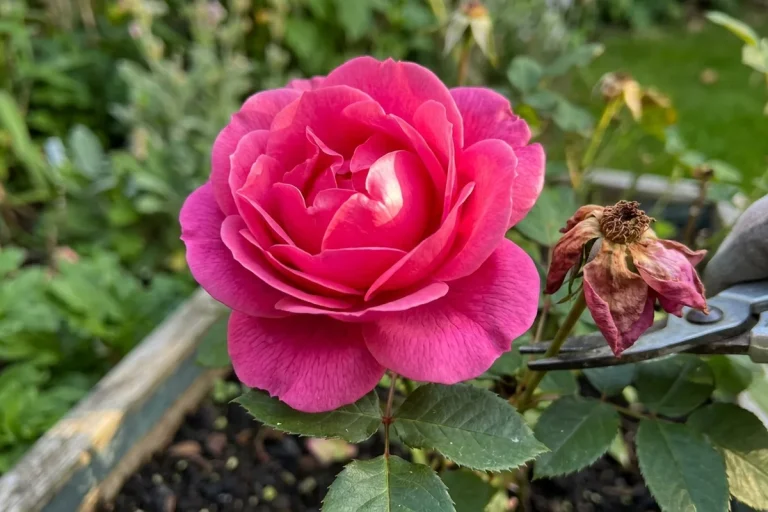
After flowering, deadhead the faded plumes if you want a tidy look and to encourage the plant to put energy back into its roots. If you like their winter silhouettes, you can leave some to stand and cut them down in late winter.
When Astilbe need moving or dividing
Even in good conditions, older clumps can flower less freely.
Look for:
- Crowded crowns with lots of old, woody centres and flowers only at the edges.
- Plumes getting smaller each year, despite decent moisture.
- The plant leaning or rising out of the soil, with the top of the crown exposed.
Every 3–4 years, lift and divide large clumps in early spring or early autumn. Replant the younger, vigorous outer pieces with the crowns just at soil level, firm in, then water well and mulch. This refresh alone often brings back stronger, brighter flowering.
If your Astilbe are in deep, gloomy shade and barely flower, the most useful change is often a better position: still moist, but with more light. Do not rush to feed heavily until you’ve checked light and soil first; compost and a small move usually beat another scoop of fertiliser.
With Astilbe, you’re aiming for steady comfort rather than constant intervention: cool roots, gentle light, regular moisture, and a yearly mulch. Start by checking how damp the soil really is a few centimetres down and how much light the spot gets across the day, then adjust from there.
Reader note
The Flower Expert is an independent gardening publication. Your support helps us keep creating practical plant care guides for everyday UK readers.
This article was created with the assistance of AI and reviewed by an editor. It is intended as general gardening information, not personalised professional advice.
If you still have a question, or if something looks unclear or inaccurate, you can contact us through our contact form.
If you found this article helpful, please consider sharing it on social media or leaving a comment below with your own experience. It helps other readers too.