
When the forecast suddenly drops, the question is which plants to rush indoors, which to tuck up, and which to simply ignore. If you’re standing in the dark with a torch, wondering whether to drag in every pot, this is for you.
What to move, cover and safely ignore
Move indoors or into shelter if frost is likely (around 0°C or below):
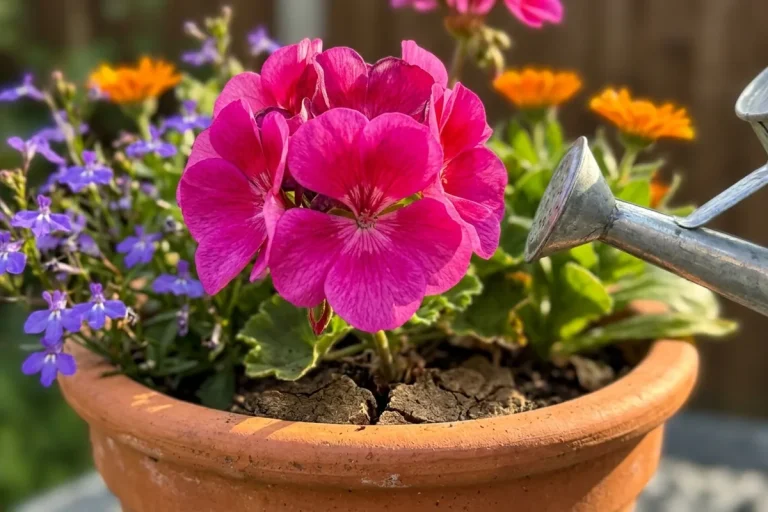
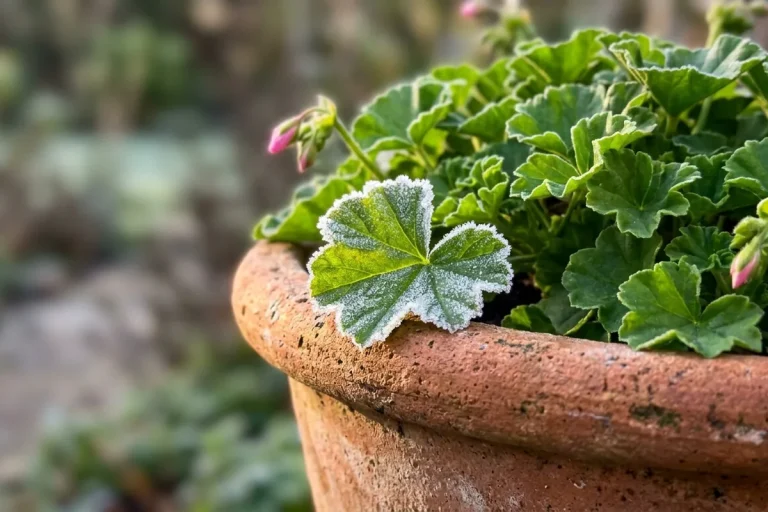
- Tender plants in pots: pelargoniums (bedding geraniums), fuchsias, dahlias in tubs, osteospermums, argyranthemums, marguerites.
- Most houseplants summering outside: peace lilies, spider plants, orchids, monsteras, succulents in decorative pots.
- Half‑hardy herbs: basil, coriander, flat‑leaf parsley in pots.
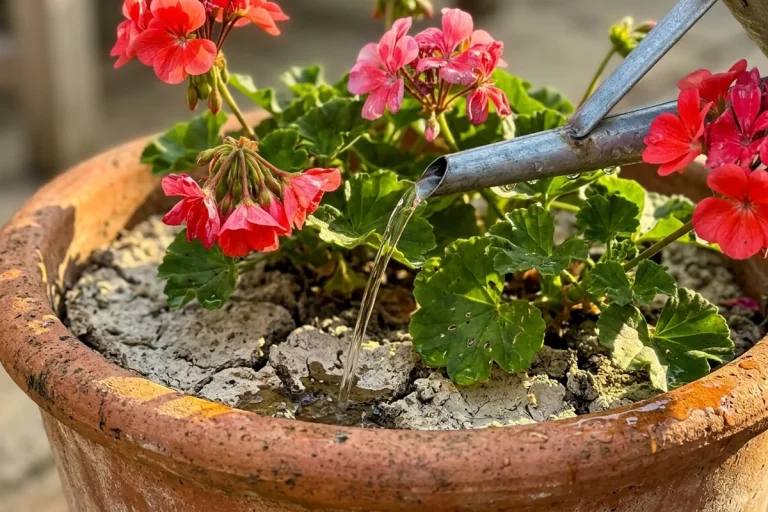
Bring them into a cool, bright room, porch, unheated conservatory or garage with a window. Even a covered doorway is better than open sky. If you lift the pot and it still feels heavy, wait to water until they’ve settled and warmed a little.
Cover rather than move if the plant is in the ground or too big to shift:
- Tender bedding in borders or pots: petunias, begonias, busy Lizzies.
- Young veg and salad: courgettes, French beans, tomatoes in growbags, lettuces.
- Newly planted shrubs and perennials that haven’t rooted in yet.
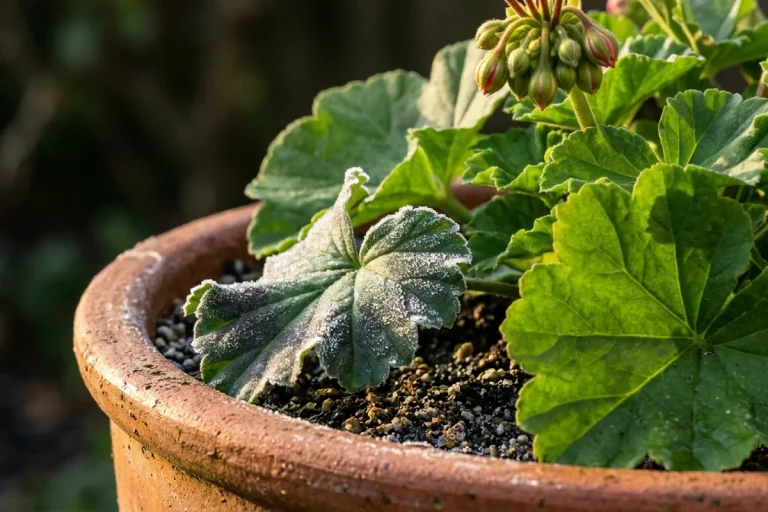
Use fleece, old sheets, hessian or even newspaper. Drape loosely so it traps air, and anchor it with pegs, bricks or stones so it doesn’t blow off at 2am. Avoid plastic directly on foliage – it can freeze to the leaves.
Usually safe to leave alone for a single cold night:
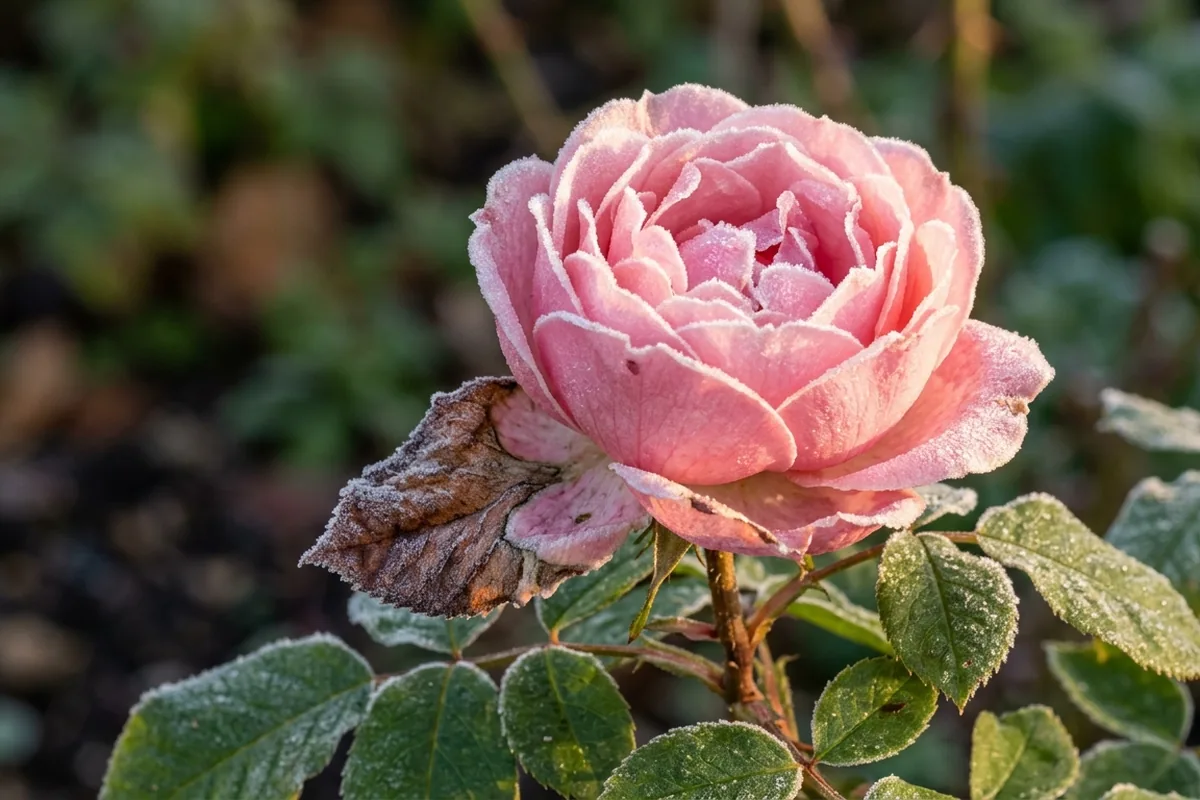
- Hardy shrubs and perennials: roses, lavender, hydrangeas, hostas, hardy geraniums.
- Spring bulbs already in the ground: daffodils, tulips, crocus.
- Established hardy herbs: rosemary, thyme, sage, chives.
These may look a bit sulky the next morning, but one brief frost rarely does lasting harm.
Quick checks before you panic‑move everything
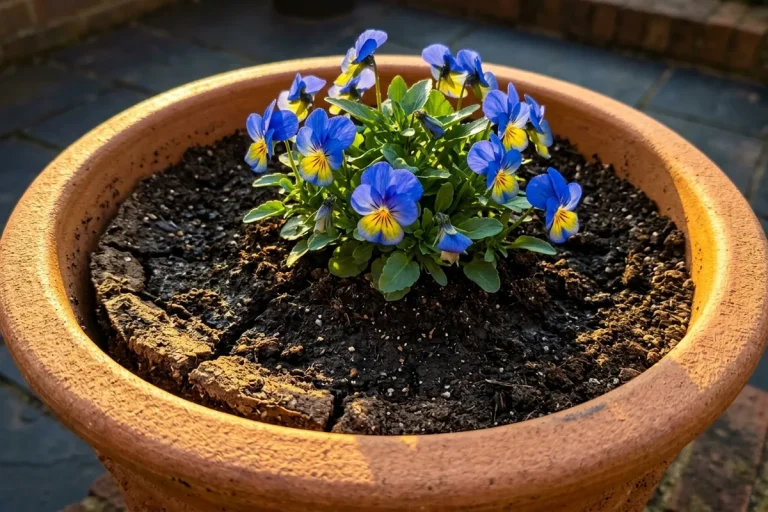
Check the pot, not just the plant. A small pot on a bare patio loses heat much faster than the same plant in a border.
- Tiny pots and baskets freeze quickest – group them against a wall and cover, or move them under shelter.
- Black plastic pots absorb the day’s warmth but also lose it fast; double‑potting into a larger decorative pot or box gives extra insulation.
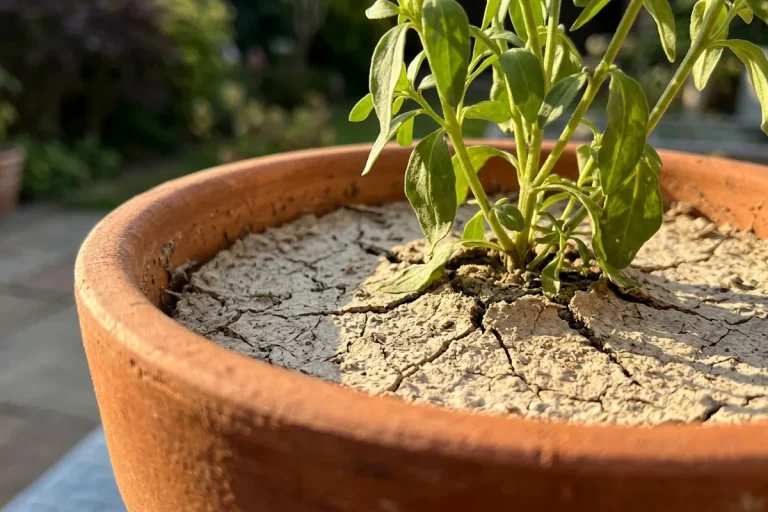
- If a saucer is still holding water the next morning, tip it away: cold, standing water around roots makes frost damage worse.
On a balcony or exposed patio, wind chill can be as damaging as frost. Slide pots closer to the building, under tables, or behind a bench, then cover. A quick shuffle of pots often does more than elaborate wrapping.
When to act, and when to wait
Act when:
- The forecast shows 0°C or below, or “widespread frost”.
- You have tender plants you’d be sad to lose completely.
- Plants are newly planted this year and not well rooted.
Wait when:
- It’s just a brief dip to 2–3°C and your plants are hardy.
- You’re tempted to drag heavy shrubs indoors “just in case” – the temperature change and dry indoor air can stress them more than a light frost.
- You’ve already covered well once; this is the point where many people keep fiddling and uncovering, letting cold air in.
If you’re unsure, check one plant of each type: a tender bedding plant, a shrub, and a pot of herbs. Protect the ones that look soft, lush and leafy; leave the woody, well‑established plants to get on with it.
A simple rule for the next cold night: move the tender, cover the in‑between, trust the hardy. Check the forecast, choose three or four key plants to protect first, and you’ll avoid the last‑minute scramble.
Reader note
The Flower Expert is an independent gardening publication. Your support helps us keep creating practical plant care guides for everyday UK readers.
This article was created with the assistance of AI and reviewed by an editor. It is intended as general gardening information, not personalised professional advice.
If you still have a question, or if something looks unclear or inaccurate, you can contact us through our contact form.
If you found this article helpful, please consider sharing it on social media or leaving a comment below with your own experience. It helps other readers too.