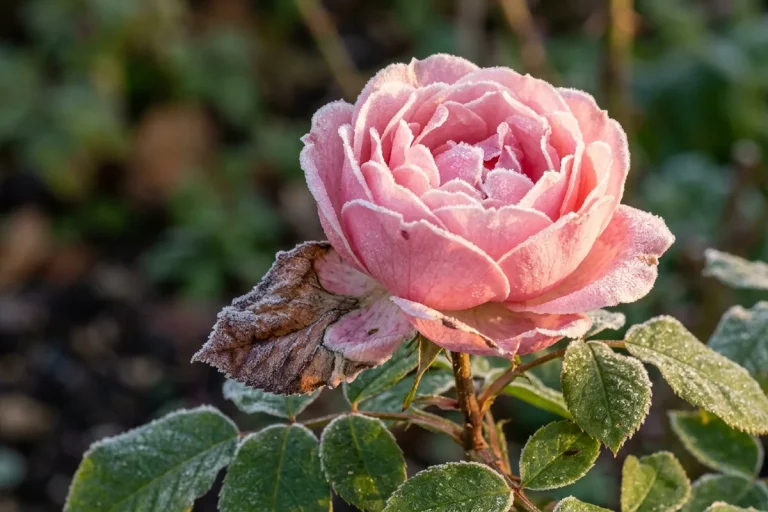

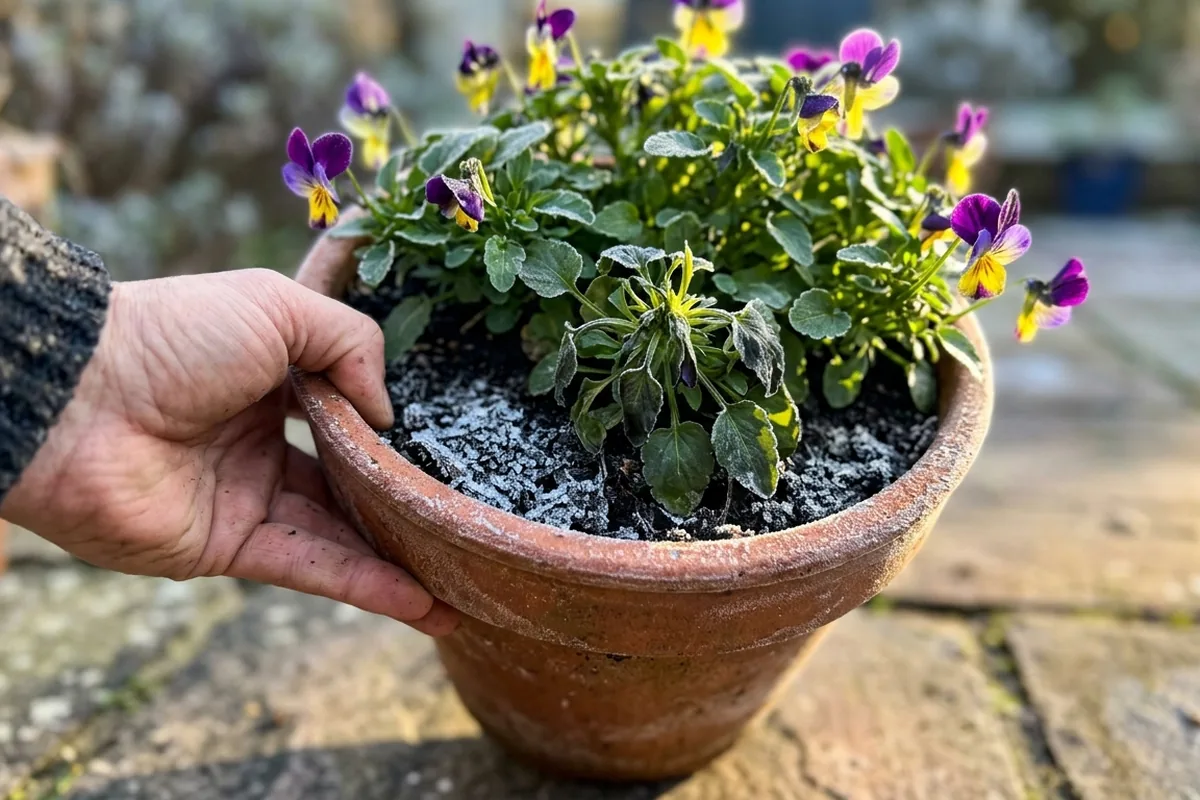
The risk with containers is how quickly they react to weather. A cold snap in late spring can catch pots on a patio, balcony or doorstep just as plants are surging into growth. If this is happening at your place, you may see soft new shoots suddenly blacken, buds fail to open, or a pot that felt fine yesterday frozen solid this morning.
What late cold actually does to pots
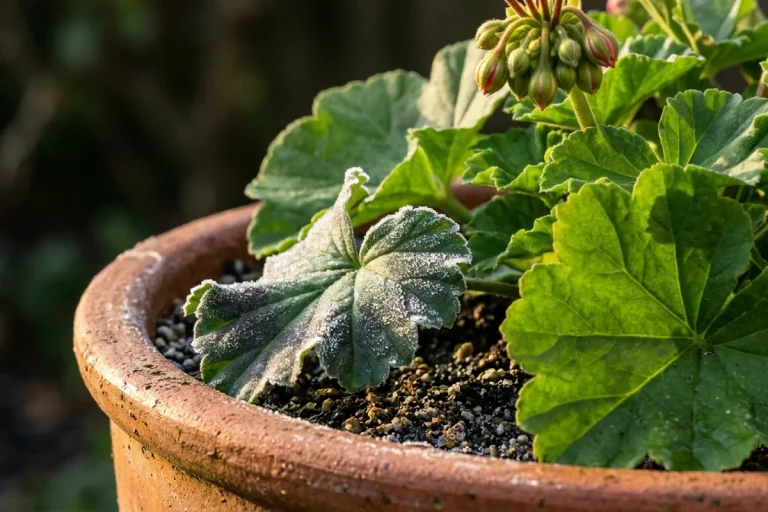
Late frosts and cold winds don’t just nip flowers; they affect the whole container.
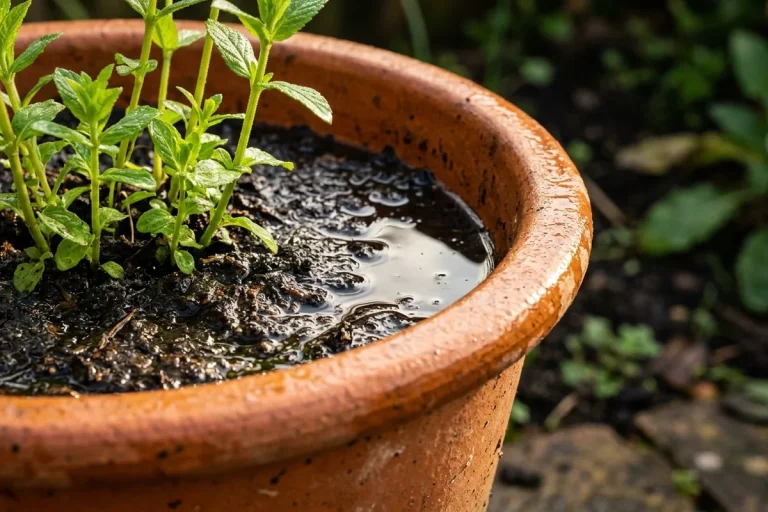
In a pot, roots sit much closer to the outside than they would in the ground. Cold air and icy wind chill the compost right through, especially in small or thin-walled containers. Roots slow down or stop working, so plants can’t take up water properly even if the compost is damp.
At the same time, many people have just started feeding and watering more generously. Cold, wet compost around half-awake roots is a good recipe for rot and setback.
A quick check before a cold spell lets you:
- Move vulnerable pots (tender bedding, fuchsias, pelargoniums, dahlias in growth, tomatoes in tubs) to shelter.
- Adjust watering so roots are moist, not sodden, going into a cold night.
- Protect new growth on hardy plants that have pushed ahead in a mild spell.
If the top of the compost looks dry but the pot still feels surprisingly heavy, wait; that weight is water the roots can’t use quickly in cold conditions.
The checks to make before a cold snap
Focus on three things: position, compost and plant stage.
- Position: Lift anything in small pots, metal containers, baskets and terracotta off exposed spots. Tuck them against a house wall, under a porch, into a cold greenhouse, or even just out of the wind in a corner. A bright but cold windowsill indoors is often kinder than a frosty patio for half-hardy plants.
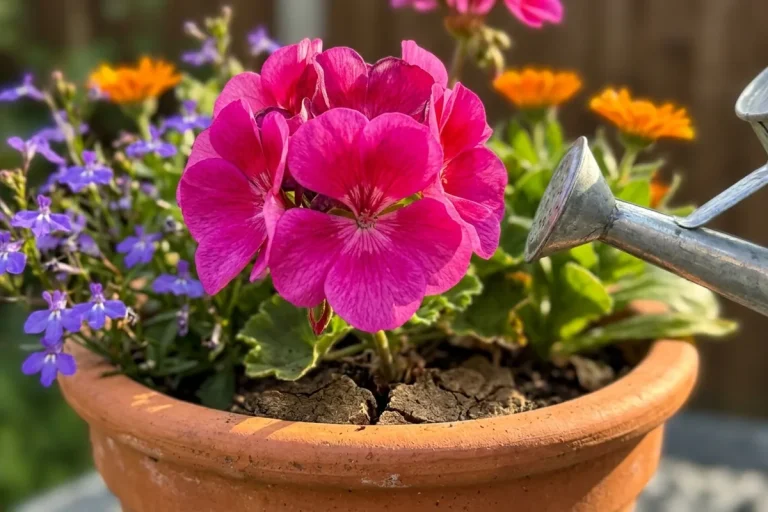
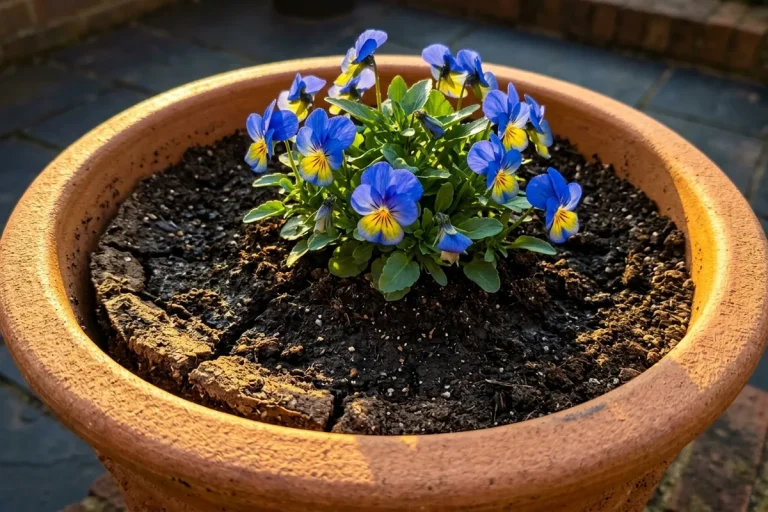
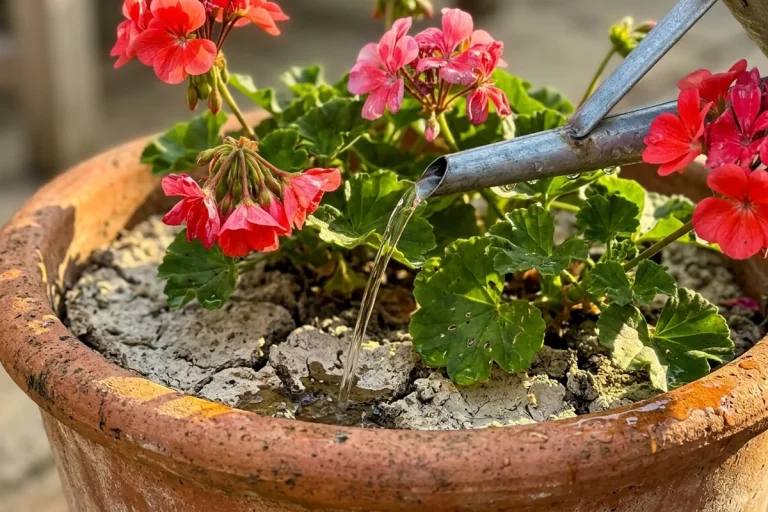
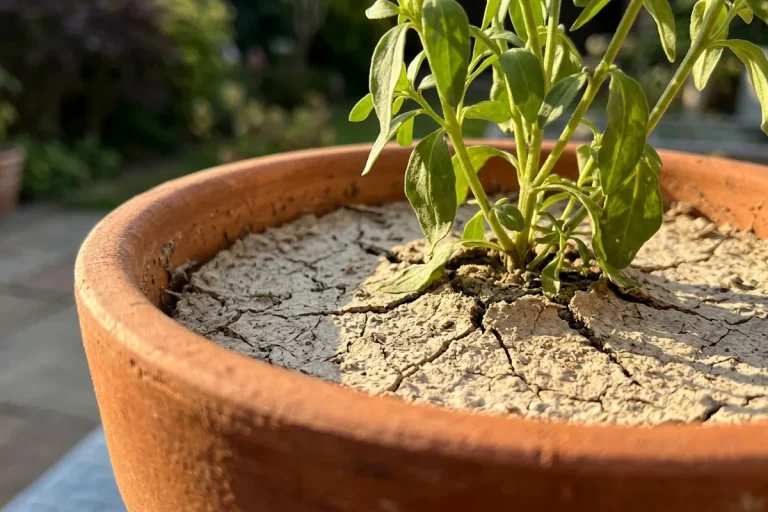
- Compost moisture: Before you water, push a finger 3–4 cm down. If it feels cool and damp, do not water that evening. Cold plus wet is harsher than cold plus just-moist. If compost is bone dry and pulling from the sides, water in the morning so excess can drain before night, then empty any saucers.
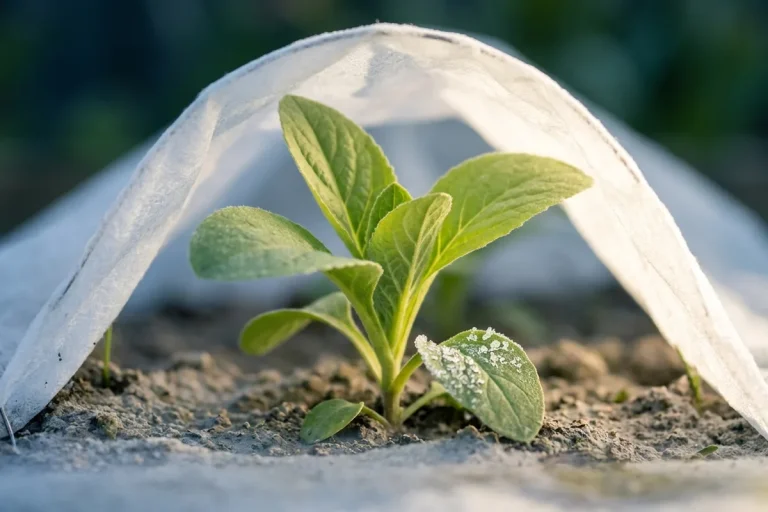
- Plant stage: Freshly potted summer bedding, newly sprouted dahlias and young vegetable plants in tubs are easily checked by even a light frost. Hardy shrubs in pots usually cope, but soft, pale new shoots can still scorch. If you see lots of tender tips, be ready to cover with fleece or an old sheet overnight.
This is the point where many people water, feed and repot all at once. In a cold snap, keep it simple: shelter first, water lightly only if truly needed, postpone feed and repotting until temperatures settle.
How to protect pots without fuss
You rarely need elaborate structures. A few small actions make a real difference:
Group containers together so they share a pocket of slightly warmer air. Slide pots off cold stone onto a bit of wood, an old doormat or pot feet to reduce chilling from below. Wrap thin terracotta or small plastic pots with bubble wrap or hessian if a sharper frost is forecast.
For very tender plants, temporary cover is enough. Fleece, a cardboard box over a pot overnight, or moving a trough just inside a shed or garage door often prevents most damage. Look for the pattern: if the same pots suffer every year, that’s your cue to give them a more permanent sheltered spot next spring.
A quick round of checks the afternoon before a cold night – lift, feel the compost, move or cover – saves a lot of blackened shoots and stalled growth. Next time a late frost is mentioned in the forecast, do one short circuit of your containers before you put the kettle on.
Reader note
The Flower Expert is an independent gardening publication. Your support helps us keep creating practical plant care guides for everyday UK readers.
This article was created with the assistance of AI and reviewed by an editor. It is intended as general gardening information, not personalised professional advice.
If you still have a question, or if something looks unclear or inaccurate, you can contact us through our contact form.
If you found this article helpful, please consider sharing it on social media or leaving a comment below with your own experience. It helps other readers too.